
The Situation
Puma Energy, a global energy leader with 104 terminals across 49 countries, is known for delivering quality fuels. Every day, their network moves fuel into 1,600 trucks, backed by a massive global storage capacity of 8.3 million m³ (2.19 billion gallons).
When Puma acquired the aging Eagle Farm bulk fuel terminal near Brisbane, Australia, they quickly spotted a challenge:
The terminal’s old pressure vessel filtration system wasn’t up to their high standards for fuel cleanliness, especially in the demanding Australian market.
The Challenge
- The outdated pressure vessel filtration system presented several problems:
- Permit hurdles: maintenance events required multiple permits ahead of time.
- Routine element replacement and servicing of the pressure vessels often shut down terminal operations for an entire day.
- During service works, quantities of contaminated fuel were disposed of
While the incoming diesel fuel was already very clean, Puma wanted to provide an even higher level of assurance to their customers — fuel had to stay contaminant-free right up to the loading gantries.
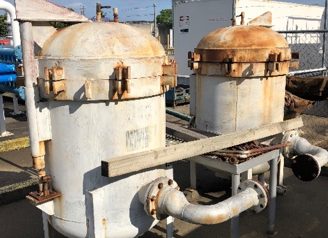 Old style kettle filters
- With flow rates reaching up to 16,000 L/min (4,227 gal/min), excessive pressure loss through the filters could lead to slower truck loadouts and high demurrage costs.
- Space constraints: The system needed to fit within the tight footprint of the existing terminal infrastructure.
The Solution
Donaldson recommended a modern, efficient solution tailored to Eagle Farm’s needs:
- Site audits were conducted to ensure the proposed system was workable within the terminal’s space constraints.
- New filtration technology:
- Installed ten Donaldson manifolds (P568933), each fitted with ten Donaldson Blue® spin-on elements (DBB8777).
- Each filter uses 7-micron Beta 2000-rated D.E.R.T.™ media, specially engineered to reduce electrostatic discharge (a major risk at high flow rates).
- The system targets ISO 4406 cleanliness levels of 16/14/11 or better.
- Easier maintenance:
- Filters were mounted at ergonomic heights.
- Puma added an air-assisted diaphragm pump and valves to allow for "dry" element changeouts, minimizing diesel spills and clean-up work.
- Training on best practices was provided to Puma staff, ensuring smooth operation and maintenance.
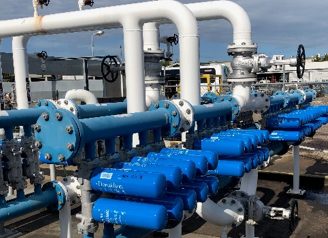 Bank of five P568933 Manifolds with fifty DBB8777 filter elements installed
Fuel Path From Tank to Truck

The Result
The Eagle Farm terminal is now hitting fuel cleanliness levels as low as 13/11/9 — an impressive 32 times cleaner than the Worldwide Fuel Charter (WWFC) diesel cleanliness expectation.
Operational improvements include:
- 185 million litres (49 million gallons) of diesel cleaned through a set of spin-on filters.
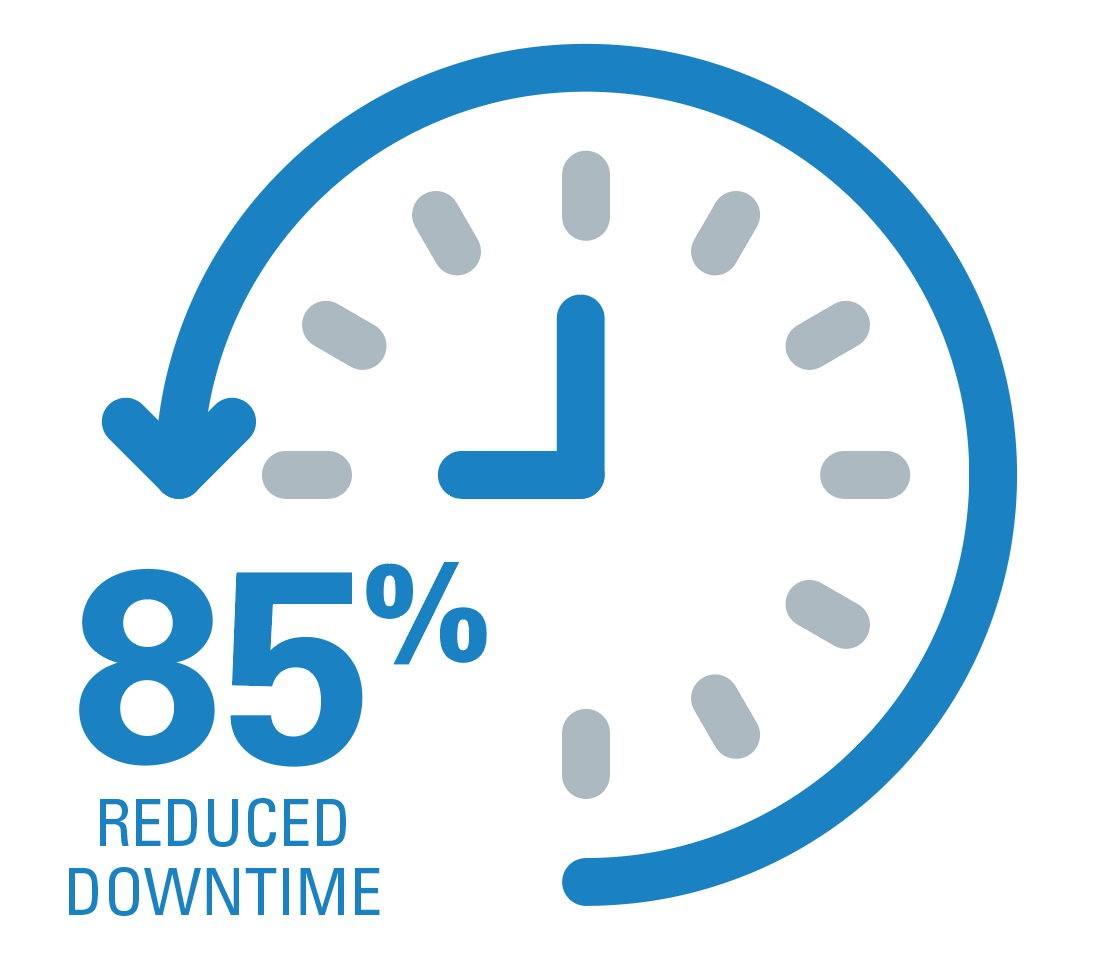
- More than an 85% reduction in maintenance downtime.
- Filter changeouts are completed within one (1) hour by three (3) people armed only with simple filter straps — no heavy equipment, permitting or excessive downtime required.
Puma Energy can now schedule maintenance without disrupting daily operations — no backup or redundancy filtration system required.