
Contamination is one of the biggest threats to any hydraulic system. Whether you're working with construction equipment, agricultural machinery, or industrial systems, hydraulic fluid contamination can reduce performance, damage components, and cause costly downtime.
Here are the six most common types of contamination—and how to minimize the risks.
1. Built-In Contamination
Even brand-new equipment isn’t internally spotless. Most hydraulic systems carry some level of contamination from:
- Metals from drilling, tapping, grinding, threading, and machining
- Fine granules from component finishing processes
- Weld spatter or flux residue
- Cloth or paper fibres from cleaning during assembly
- Excess grease or assembly lubricants
What to do:
- Use high-efficiency filters designed for your application
- Always flush systems after major overhauls or rebuilds
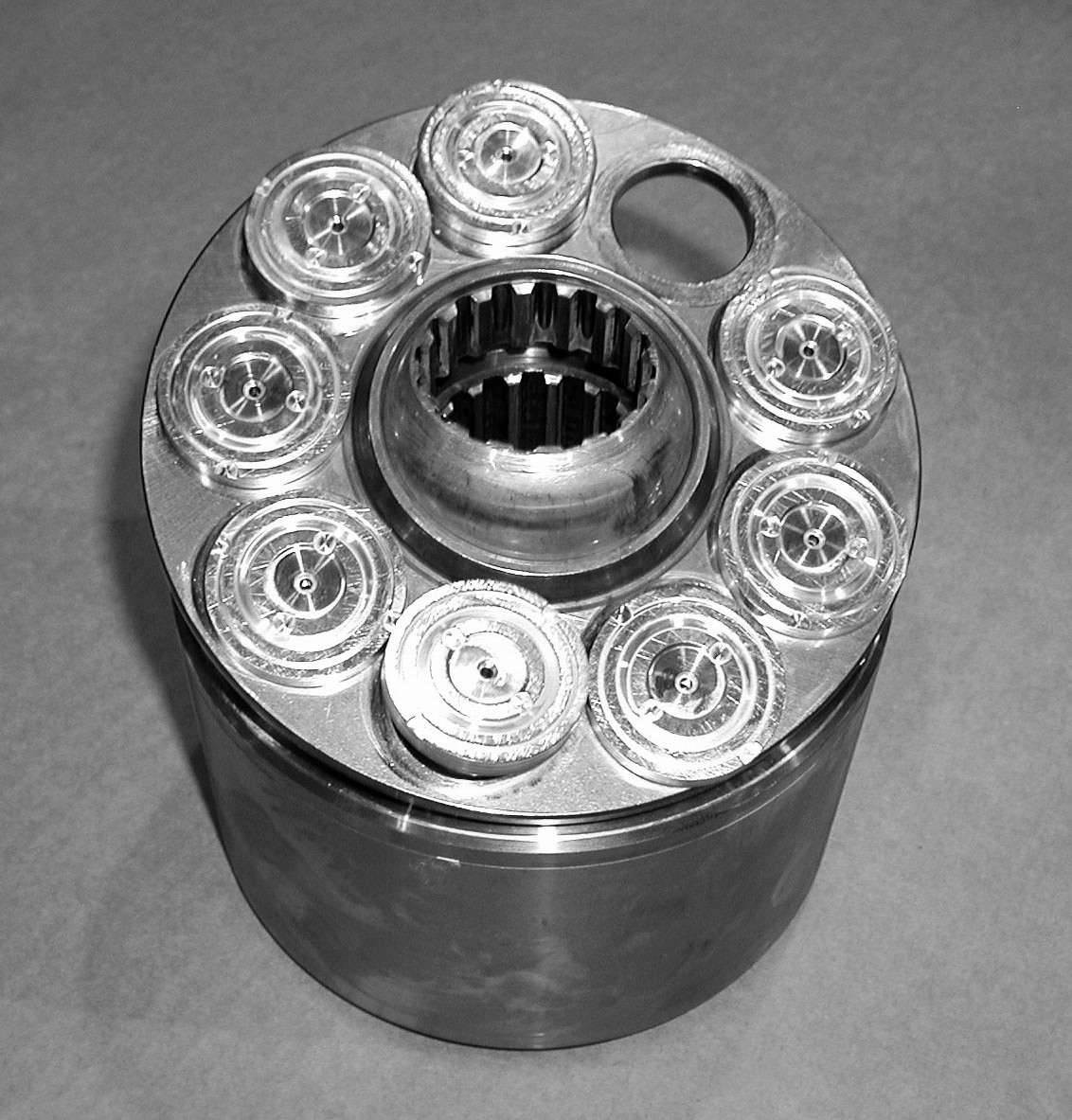 Piston rings are severely damaged by contaminants
2. Generated Contamination
During operation, moving components wear on each other, and fine, dust-like metal particles are worn away from surfaces and joints. Generated contamination is often highest during:
- Initial equipment break-in
- After major component replacement
- When there is poor lubrication due to the wrong fluid choice or leaks
How to manage it:
- Choose the correct hydraulic fluid for your system
- Use the correct filters and replace them regularly
- Monitor oil condition for early signs of wear and tear
3. Air Contamination
Foamy fluid is typically the result of air contamination in hydraulic oil. Air affects fluids compressibility and may impact your machinery’s efficiency: cycle times could be impacted, or the torque from your final drive could be reduced.
Prevention tips:
- Keep systems sealed except during maintenance
- Store hydraulic fluid in airtight containers
- Avoid exposing reservoirs or storage tanks to the open air
Fluid selection, hydraulic system, and filtration design may impact aeration
4. Water Contamination
Water in your fluid, often from atmospheric humidity or wash waters, may give the hydraulic fluid a milky haze. Water reduces lubricity, encourages sludge, and may lead to rust, cavitation, or surface degradation.
How to prevent it:
- Store fluids in sealed containers away from moisture
- Protect systems with high-performance breathers, like Donaldson’s T.R.A.P.™ (Thermally Reactive Advanced Protection) breathers
- Monitor environmental conditions, especially in humid areas
- Control equipment cleaning practices
5. Chemical Contamination
Hydraulic fluid degrades over time, his process occurs faster with exposure to water, extreme heat, and pressure. Mixing fluids from different manufacturers can also lead to unwanted chemical reactions.
Best practices:
- Follow the manufacturer’s service intervals
- Never mix fluids with different additive packages
- Consider an oil analysis program to track fluid condition and contamination trends
6. Ingressed Particulate Contamination
This is just a technical term for dirt and dust that sneaks into your system. Common entry points include:
- Leaky seals
- Open reservoirs
- Dirty environments during repairs or servicing
How to avoid it:
- Perform maintenance in clean areas
- Thoroughly clean your equipment before opening it
- Use off-line filtration systems like Donaldson’s Filter Carts, Panels, or Filter Buddy™ to flush fluids before recommissioning
Final Takeaway
Contaminated hydraulic fluid causes slower performance, higher operating temperatures, and severe equipment damage. Fortunately, you can take control:
- Flush new or repaired systems
- Use high-quality filters and deliquescent breathers
- Replace filters regularly
- Use best practice for the storage of new fluids
- Avoid cross-contamination between fluid types
Protect your investment—and extend the life of your hydraulic systems—by keeping your fluid clean from the start.