
Why Clean Air and Gas Matter
Compressed air and gas are essential parts of many industrial processes. They power tools, move materials, support automation, and help maintain product quality. But when contamination isn’t filtered out of the system, even in small amounts, it can cause unexpected problems.
In situations where purity matters, keeping air and gas free of oil is not just good practice; it is a must.
What Happens When Oil Gets In
Oil contamination isn’t always visually apparent. It can exist as vapor, aerosol, or liquid, often unnoticed until a process fails or product quality drops. Some of the most common issues include:
• Contaminated end products that require rework
• Equipment malfunctions caused by fouled valves or sensors
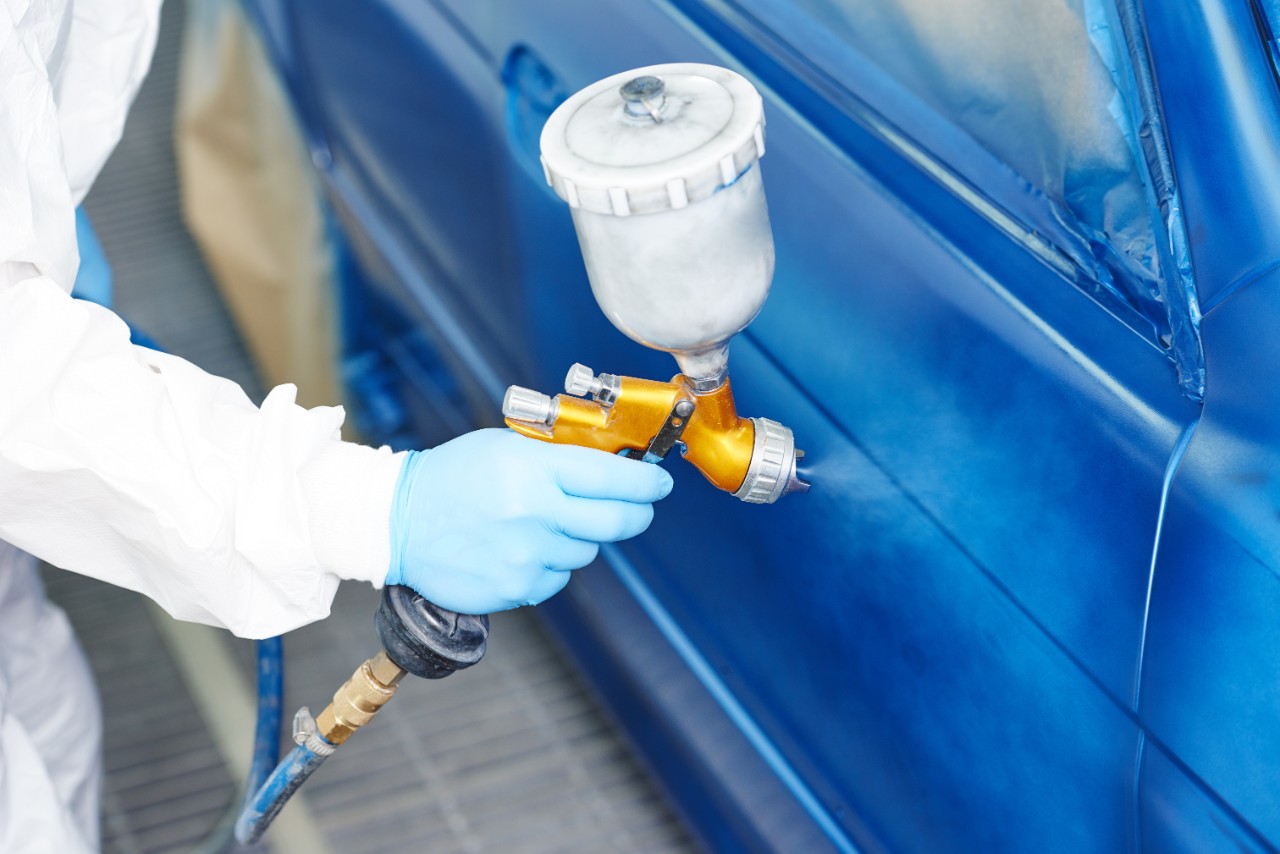
• Paint or coating defects from surface contamination
• Non-compliance with internal or external air quality standards
• Unwanted odors or hydrocarbons in the production environment
These effects can slow down operations, increase costs, and raise concerns around safety and consistency.
Understanding Purity Classes
To help define air quality requirements, many industries refer to ISO 8573-1:2010. This standard sets purity classes for compressed air. For oil vapor, Class 1 requires levels below 0.01 mg/m³. Users often need this limit for sensitive or regulated uses.
Reaching this level of purity typically involves a combination of filtration and drying stages, including:
• Coalescing filters to remove oil and water droplets and aerosols
• Activated carbon to capture oil vapor, odors, and hydrocarbons
• Depth filters for fine particles
• Dryers to reduce moisture and dew point
Each stage plays a role, and proper sizing and placement are key to getting consistent results.
The Challenges Many Facilities Face
Keeping compressed air and gas clean sounds straightforward – until it meets real-world conditions. Some of the common challenges include:
• Limited installation space, especially near machines or in older systems
• Variable air quality, depending on maintenance cycles or filter condition
• Downtime, when contaminated air affects production or damages equipment
• Pressure drop or flow issues, especially when retrofitting new components
Each stage plays a role, and proper sizing and placement are key to getting consistent results.
What to Look For in a Reliable Setup
To address these issues, many facilities look for air filtration treatment options that are:
• Consistent, to help support air quality goals under varying conditions
• Specification-aligned, so they match operational and compliance needs
• Compact, to save space without losing performance
• Modular, so they can be used in different locations and system sizes
• Designed for low pressure drop to support efficient, stable operation
A well-thought-out system doesn’t just clean the air – it fits the process, supports uptime, and helps reduce long-term risk.
In Summary
Clean, oil-free compressed air and gas help protect products, equipment, and processes. Air treatment is important for daily operations. It helps meet quality standards and prevents unexpected downtime. By using the right mix of filtration, adsorption, and drying methods, facilities can help lower oil related risks to help them perform consistently.