
Customers often ask us, "How well does an engine air filter clean incoming dirty air?"
It’s a great question, especially when you're looking to upgrade your air cleaner for better engine performance and protection.
One thing we hear a lot is, "What’s the micron rating of your air filter?"
Here’s the deal: Micron ratings are commonly applied to liquid filters, not air filters.
When it comes to air filtration, different test methods and measurements are applied: efficiency levels are based on the ISO 5011 standard.
Let’s break it down.
How Engine Air Filter Efficiency is Measured
Air filter efficiency is determined by a consistent, industry-wide testing process:
- Air with a known amount of ISO test dust is fed into the air filter at a constant rate.
- Testing continues until the filter reaches the end of its useful life (measured as restriction, which is the resistance to flow or, in the real world, the vacuum created between the filter and the engine).
- The dust collected by the filter is weighed, determining the capacity of the filter.
- Any dust that passes through the filter is captured downstream by an absolute filter.
Efficiency is calculated by comparing the weight of dust loaded on the filter against the total dust fed into the system — this ratio is expressed as a percentage.
The beauty of this method is that it simulates conditions found in the real world. Please note: dusts vary from one environment to another, and field performance may vary from laboratory tests utilising ISO standard test dusts.
See the Difference: High-Quality vs. Will-Fit Filters
Unfortunately for engines, not all air filters are created equal. In fact, some will-fit filters can let up to 100x more dirt pass to your engine. These dust vials show the amount of fine test dust that passes through the air filter media for every one kilogram of test dust fed to the air filter.
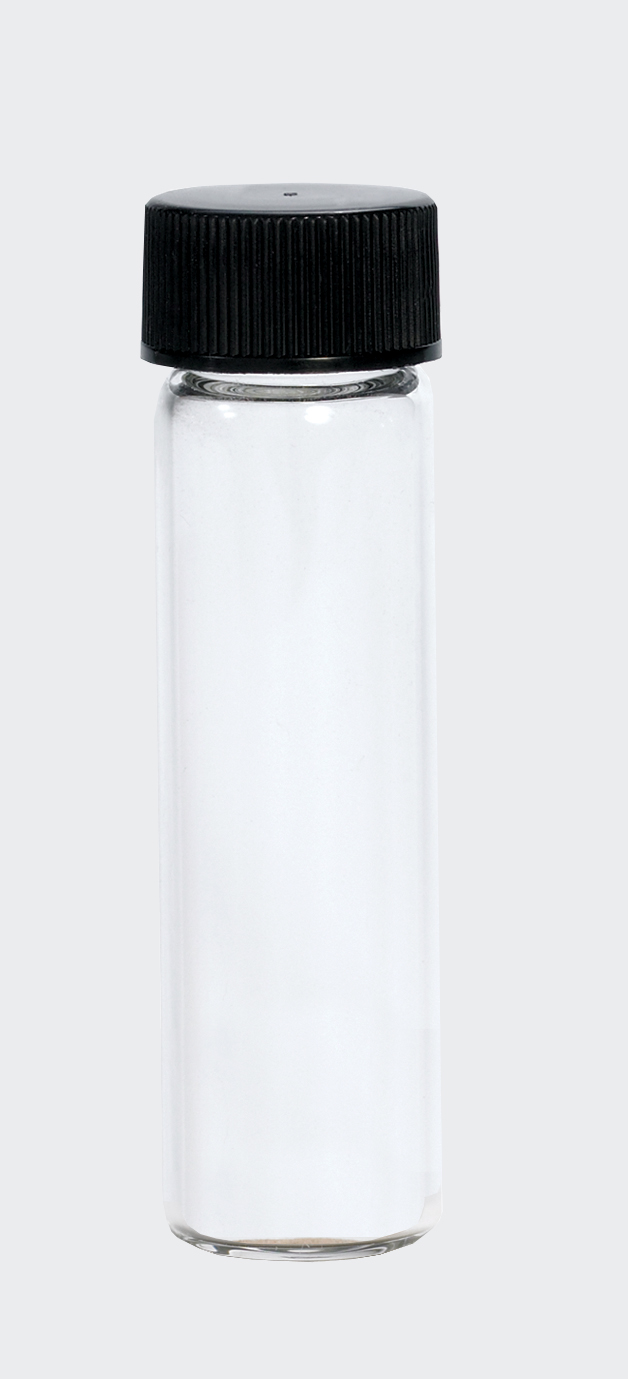 Donaldson Blue® Ultra-Web® HD Filter Media. Up to 99.999% Filtration Efficiency (0.01 gram dust)
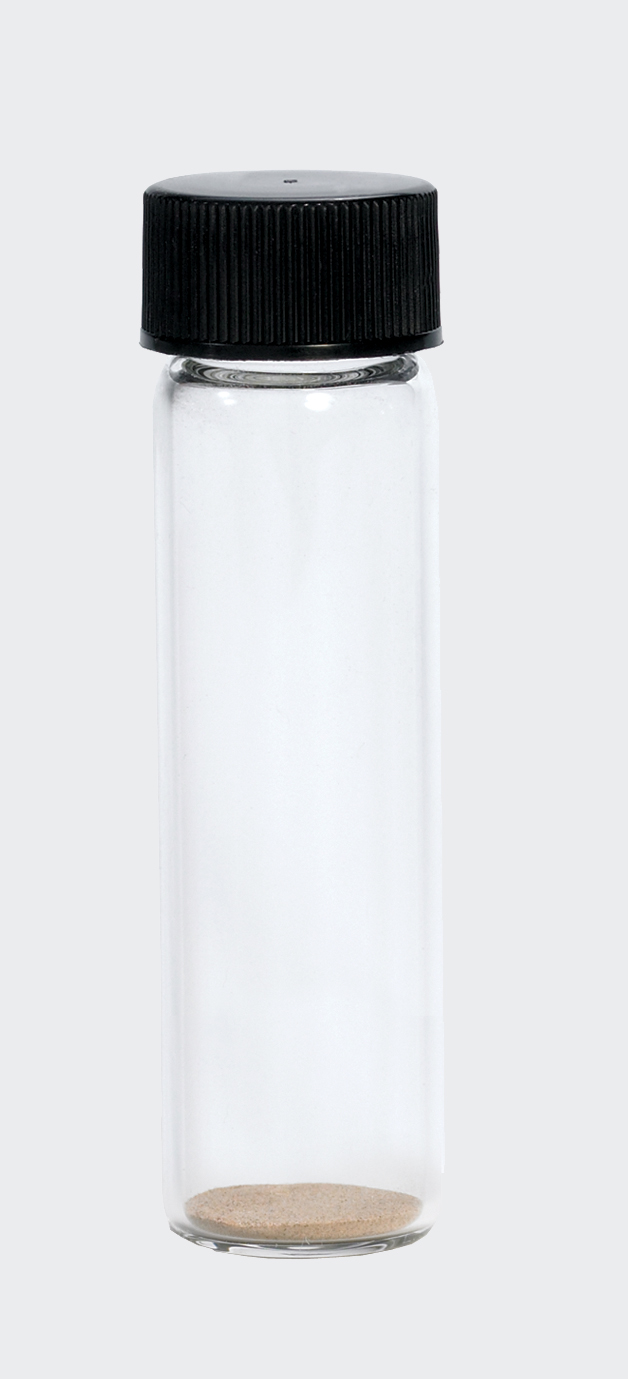 Donaldson Blue® Ultra-Web® Filter Media. Up to 99.99% Filtration Efficiency (0.1 gram dust)
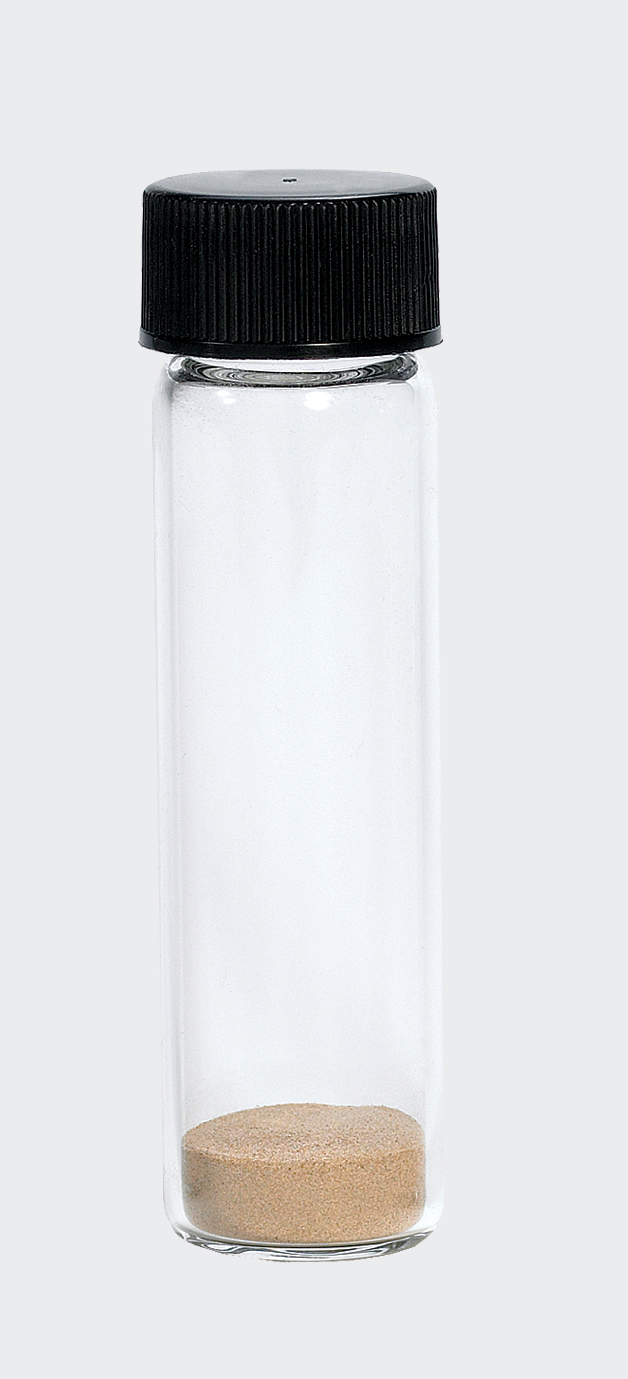 Donaldson Standard Filter Media Up to 99.9% Filtration Efficiency (1 gram dust)
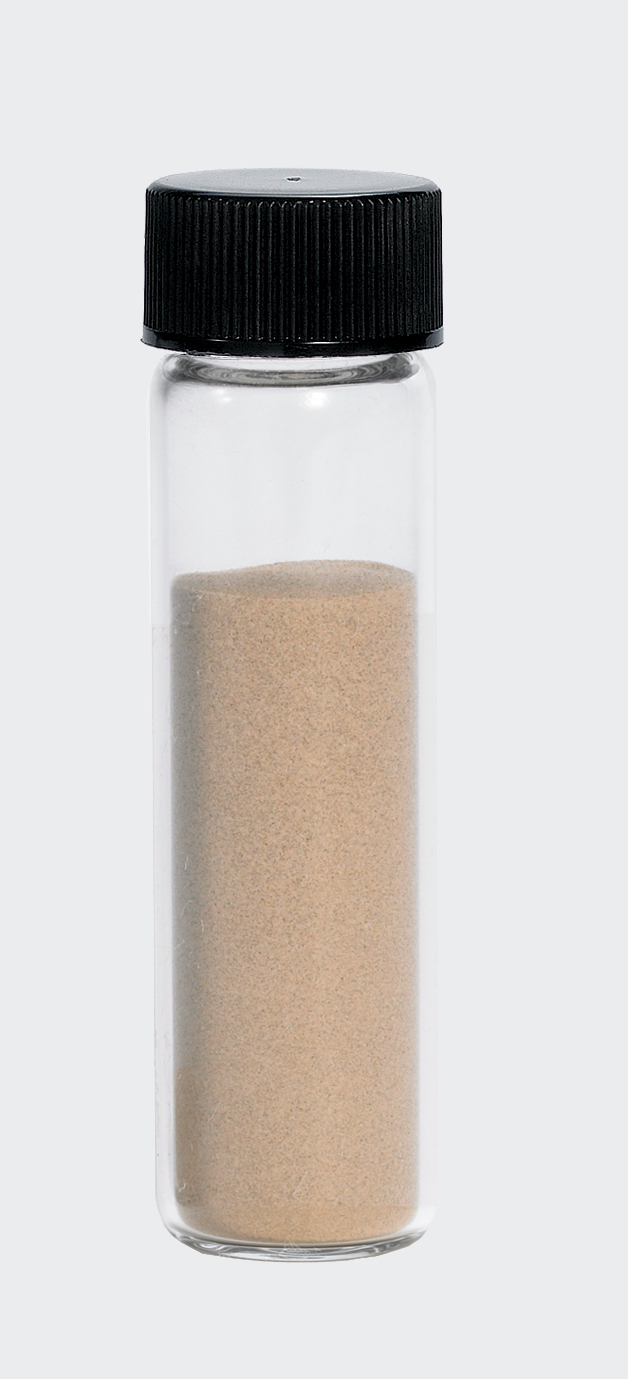 Will-fit Standard Filter Media Up to 99.0% Filtration Efficiency (10 gram dust)
Will-fit filters can allow up to 100 times more dirt to pass through the filter into the engine than Donaldson Blue air filters with Ultra-Web filter media.
* Estimate based upon typical medium dust operating conditions with 92% pre-cleaner efficiency. Actual results may vary.
Did You Know?
Donaldson cellulose air filters have a minimum overall efficiency greater than 99.90%. The efficiency of the filter actually improves as dust accumulates on the surface of the filter, so an air filter gets better as it gets used
Donaldson offers media upgrades for engines operating in harsh environments.
Donaldson Blue® and Donaldson Blue HD® air filters incorporate fine fibre technologies that pass less dust to your engines while providing longer service intervals than traditional will-fit cellulose alternatives.
Why a Dirty Air Filter Isn't Always Bad
Here’s a surprising fact: An air filter becomes more efficient as it loads with dust, providing your engine with enhanced protection — right up until it reaches its maximum restriction.
That’s why it’s important to:
- Avoid changing your air filter prematurely.
- Allow the filter to reach or near the manufacturer-recommended restriction level.
A filter that’s given time to do its complete job provides better engine protection and saves you money by maximizing service intervals.
When Should You Replace Your Air Filter?
Don’t judge by looks alone! Even a dirty-looking air filter might still be performing at a high level.
The right way to know when it’s time to replace your filter is by:
- Measuring the airflow restriction using a restriction indicator or gauge.
- Following the engine manufacturer's maximum restriction specification.
Waiting until you reach or near the maximum restriction level ensures you achieve optimal filtration efficiency while maintaining engine condition.
Bottom Line
For the best engine performance and protection:
- Think efficiency ratings, not micron sizing.
- Let your air filter achieve its full service life based on restriction, not appearance.
- Choose high-efficiency filters like Donaldson Blue to keep dirt out and extend your equipment's life.
Protect your engine, save money, and get the performance you expect — all by letting your air filter do its job.