
Modern diesel engines, especially those with Tier III and IV High Pressure Common Rail (HPCR) systems, are engineering marvels. But with that innovation comes a new set of challenges, particularly in cold weather.
Today’s HPCR systems require nearly spotless fuel. Around 95% of the particles typically found in diesel fuel were not a problem for older engines and simply passed through most of the filtration. When temperatures drop, fuel chemistry and filtration become even more critical.
Here’s how to prepare your fleet for winter and avoid costly cold-weather engine issues:
Why Cold Weather Affects Diesel Engines
In freezing conditions, diesel fuel starts to form waxy solids that can quickly clog filters. Older fuel handling habits may no longer cut it, and without proper maintenance, even the best engines can struggle.
11 Cold Weather Diesel Engine Tips from Donaldson
1. Know your fuel’s cloud point
- The cloud point is the temperature at which diesel begins to appear hazy.
- Solids start forming at 5°F / -15°C above the cloud point, increasing the risk of filter clogging.
2. Ignore the Cold Filter Plugging Point (CFPP)
- CFPP tests use coarse screens, not modern HPCR filters.
- It doesn’t reflect how well fuel will flow through today’s tight filtration systems.
3. Talk to your fuel supplier
- Ask about the right blend of #1 (winter) and #2 (summer) diesel for the next two weeks.
- Stay proactive — adjust the blend based on upcoming weather.
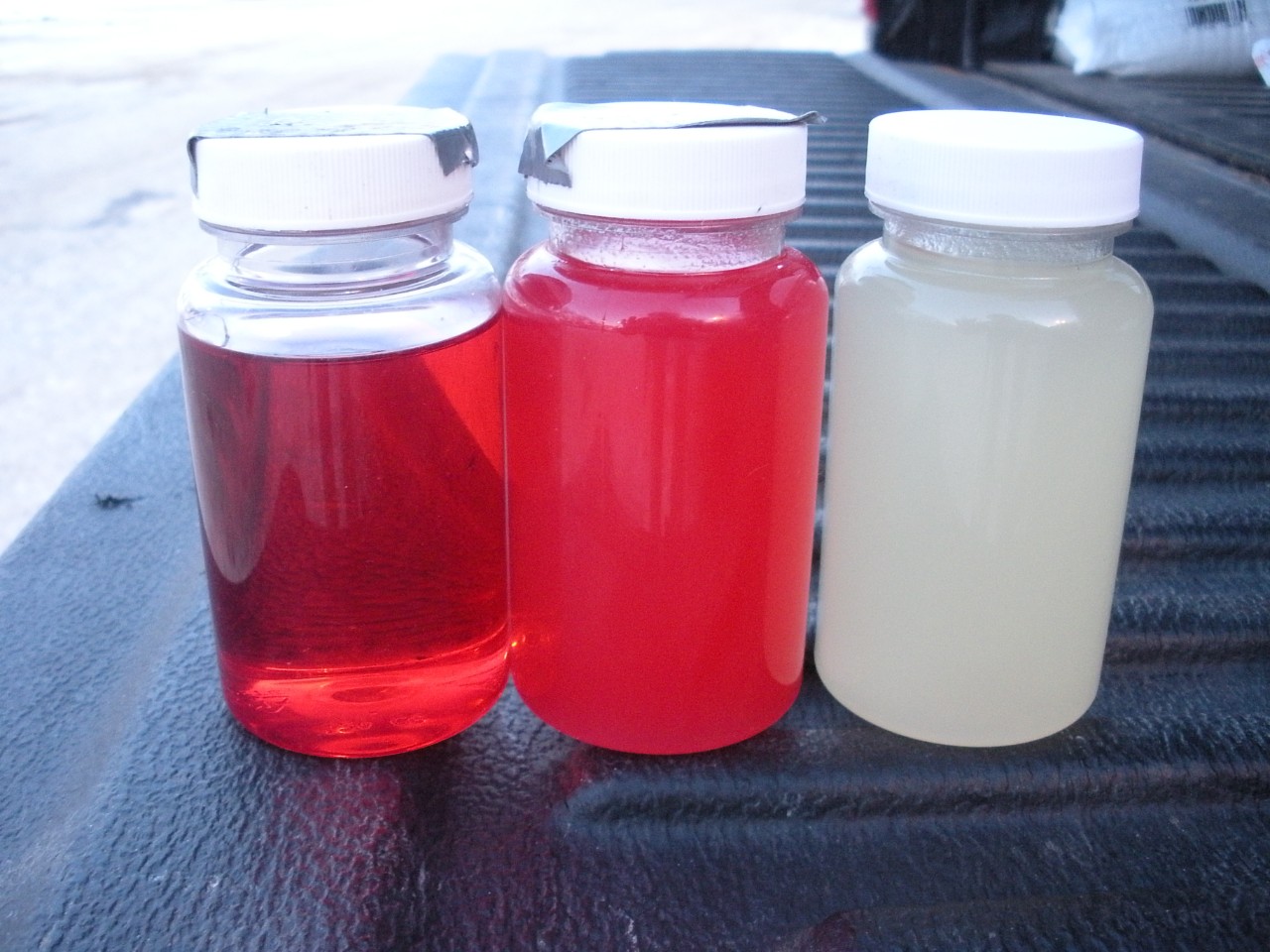 Upper Midwest (United States) diesel fuels stored at -23° C / -9° F (left to right): #1 off-road, #2 off-road, and #2 on-road. Both #2 samples have been treated with cold flow additive and still show significant filterable paraffin-wax solid formation. See Strategy 1.
4. Don’t stockpile fuel in fall
- Buy only enough diesel for 2–3 weeks.
- Older fuel is more likely to form solids in winter conditions.
5. Keep your storage tanks clean
- Remove water, sediment, and microbes — especially before winter hits.
- Hire a professional fuel tank cleaner to avoid making things worse.
6. Use cold flow additives carefully
- Only add when necessary and follow manufacturer guidelines.
- Never add cold flow improvers to cold fuel, and avoid splash blending.
 Summer diesel at -29° C / -20° F with no cold flow improver. More than half the diesel became wax solid. Cold flow additive doesn’t change the amounts of solids or temperature at which solids form. See Strategy 6.
7. Fill up warm
- Top off fuel tanks at the end of your shift, while equipment is still warm.
- This reduces condensation buildup in tanks.
8. Don’t downgrade your filters
- Stick with high-efficiency filters — even in cold weather.
- If filters clog, warm them indoors for 20 minutes. If that doesn’t help, the fuel itself may be the problem.
9. Avoid biodiesel in winter (if you are in a region where it is not mandated)
- Biodiesel performs poorly in cold conditions.
- If you must use it, keep blends under 5% — at that level, it’s often treated as a lubricity additive.
10. Keep spare filters on hand
- Store an extra set of on-engine fuel filters in the cab or service truck.
- When a filter plugs unexpectedly, you’ll be glad you have them.
11. Match the dispenser and engine filter ratings
- Use dispenser filters with the same micron and beta ratings as your engine’s secondary filter.
- For winter, Donaldson’s DBB8777 single-pass fuel filter is a good option — it maintains flow and captures problems before they reach the engine.
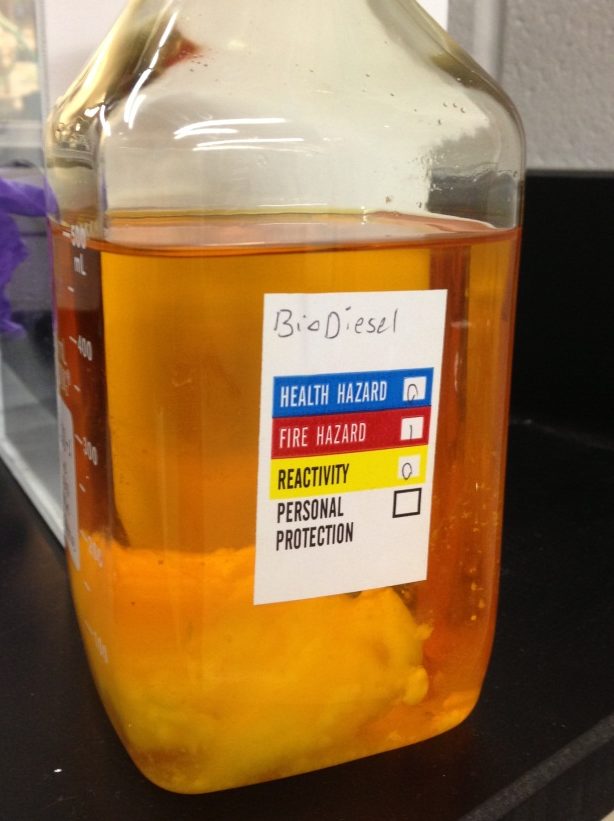 Midwest (United States) produced Soy B100 stored at 4° C / 40° F. The solids in the bottom are glycerin fallout and would plug most any filter. See Strategy 9.
Stay Ahead of Winter Downtime
Modern engines demand modern care, and cold weather puts that to the test. With proper fuel management and filtration, you can maximize uptime, extend equipment life, and avoid costly breakdowns.
At Donaldson, we’re here to help you keep your diesel engines running smoothly — even when the temperature drops.