
Pulse-jet dust collectors rely on bursts of compressed air called pulses to keep filters clean and maintain consistent airflow. As the air expands from 6.5 barg to atmospheric pressure, the rapid drop in temperature often causes condensation to form. If the cleaning air carries water or excess moisture into the element, it can compromise the entire cleaning process. Moisture in collector pulse lines promotes dust agglomeration and adhesion with filter media, raises differential pressure, and places unnecessary stress on valves and filters. In some cases, the dust itself is a valuable product, and the cleaning process directs compressed air into direct contact with it. There can be a risk of contamination in certain industries. Dry, clean compressed air is therefore a foundational requirement for reliable dust collector filter clogging prevention.
Common Risks of Moisture in Purge Air
Moisture in the pulse line can create several issues that directly affect performance:
- Valve corrosion: Wet purge air accelerates wear and can shorten valve life.
- Filter clogging: Moisture causes dust to agglomerate and stick to filter media, allowing dust to continue to build up and restrict airflow.
- Pressure drop: Inadequate cleaning leads to rising differential pressure and reduced system efficiency. Higher differential pressure also means more frequent pulsing, requiring more compressed air, compounding the issue.
- Frequent replacements: Filters loaded with wet dust often require more frequent change-outs, increasing downtime and cost.
- Product contamination: When compressed air comes into direct contact with the product or process, moisture can compromise purity and quality.
Why Desiccant Dryers Are a Best Practice
Desiccant dryers are well-suited to purge air systems and applications because they are designed to provide consistently dry air with low dew points. By reducing water vapor to stable levels, they help maintain reliable cleaning cycles regardless of ambient humidity. This dry air helps protect dust collector components, supports steady airflow, and helps maintain filter performance over time. Because many collectors operate outdoors and experience significant temperature drops, it is critical to maintain sub-zero pressure dew points of –20 °C or lower to prevent condensation.
Sizing and System Design Considerations
Field experience shows that undersizing is one of the most common issues in pulse cleaning systems. Two scenarios often occur:
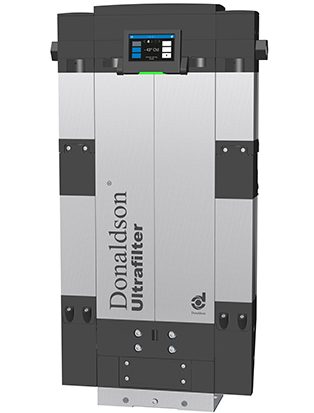
- In centralized compressed air systems, dryer capacity is not aligned with the combined demand of multiple dust collectors.
- In dedicated compressor setups, the air volume may be too low to fully clean the filters.
Best practice is to size desiccant dryers specifically for the purge air demand of each dust collector. Designing for adequate flow and stable dew point helps mitigate the risk of insufficient cleaning cycles and supports long-term system reliability.
Best Practice Guidance
To achieve consistent performance:
- Size dryers for the actual purge air demand, not just nominal system flow.
- Place dryers close to the dust collector when possible to minimize exposure to condensation.
- Combine with suitable pre- and after-filtration to protect components and maintain air quality.
Benefits of a Properly Sized Desiccant Dryer
Integrating properly sized desiccant dryers into dust collector purge systems helps maintain steady airflow, protect equipment, and supports stable operation even under humid or variable conditions. This can help manage unplanned shutdowns and help provide consistent cleaning cycles and long filter life, which together drive production and predictable maintenance. A correctly sized dryer also supports filtration efficiency, managing downtime, replacement and compressed air costs, and supports equipment life by preventing corrosion and premature failure. Just as importantly, it can help operators tackle their dust collection challenges as part of their overall EHS program.