
Engines are operating in some of the world's harshest environments, and without proper protection, airborne contamination will result in premature engine failure. That’s where air cleaners come in - removing harmful particulates before they reach and damage the engine. In some applications, the dust load is so high that air filters will quickly block and require frequent servicing.
The solution? A pre-cleaner.
What Is a Pre-Cleaner?
A pre-cleaner forms part of the air intake system, and while it is often the air inlet, it is always installed before the air cleaner assembly. Its function is to separate water droplets and larger dust particles before the incoming air reaches the air cleaner assembly. A correctly applied pre-cleaner may:
- Maintain the intake restriction at a lower level for longer
- Extends the usable service life of the air filter
- Reduce unscheduled maintenance
How Does a Pre-Cleaner Work?
Most pre-cleaners rely on inertial separation - a process where heavier dirt particles are forced out of the airstream. As the air changes direction, the heavier particles continue moving forward and are separated from the clean air. Typically, the larger and heavier the contaminant, the more efficiently it’s removed.
Why Choosing the Right Pre-Cleaner Matters
Dust is not dust, and no single style of pre-cleaner is suited to the vast range of airborne contaminants engines can be exposed to. To be effective, it is essential the pre-cleaner is matched to the engine's airflow:
- Too large (oversized): Little additional restriction is added to the system, but as the air moves slowly through the pre-cleaner, its efficiency will be significantly reduced.
- Too small (undersized): The pre-cleaner may provide highly effective dust separation, but the pre-cleaner will also add great restriction to the air intake system, and may result in shorter usable air element service life.
Choosing the right type and size provides optimal performance and element longevity.
Types of Pre-Cleaners: A Closer Look
Slow-moving or stationary off-road applications:
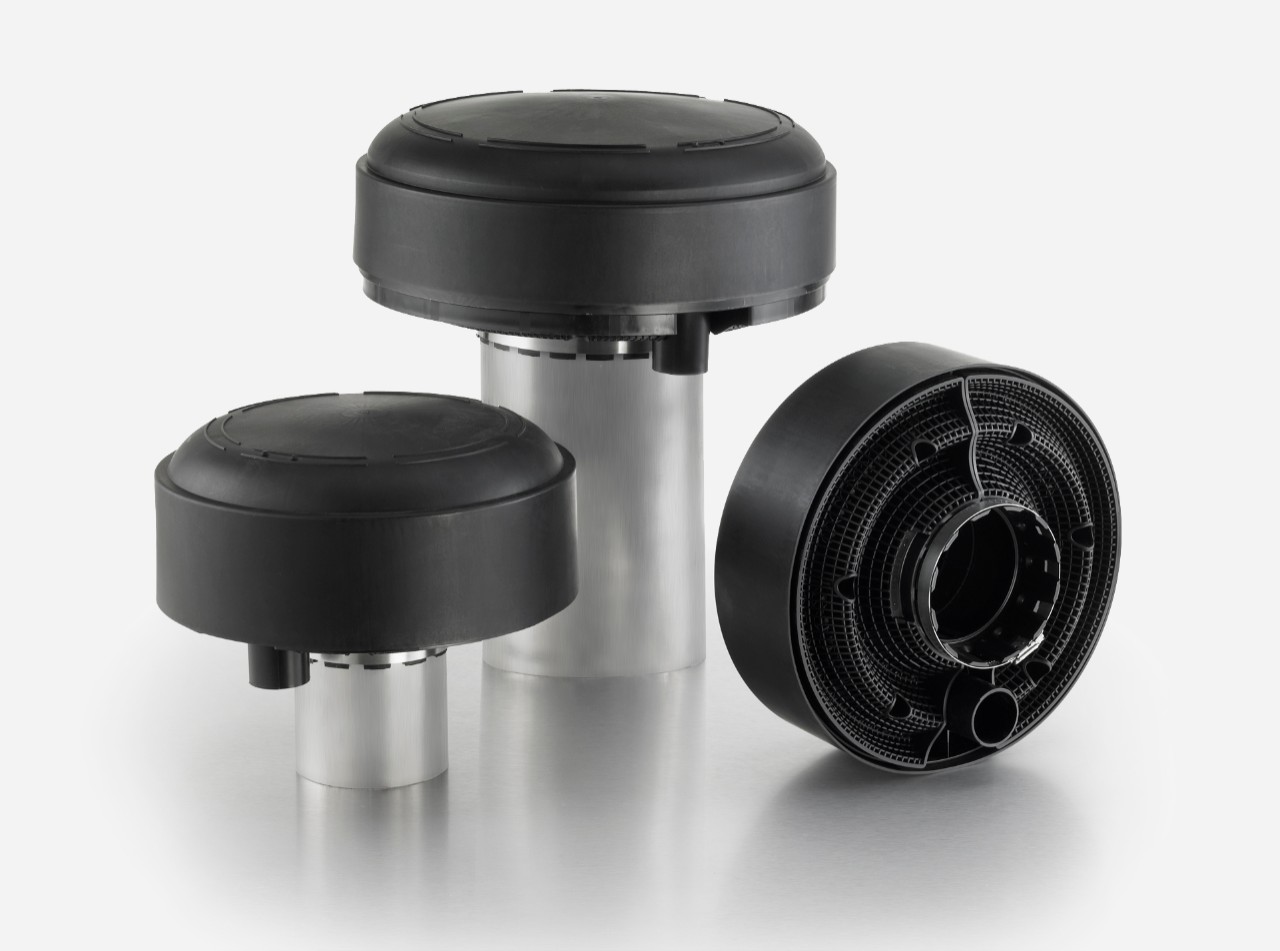
Strata™ Cap
- Uses small, vaned tubes to spin air rapidly
- Achieves up to 95% separation efficiency
- Requires a scavenge system (like an exhaust ejector) to clear separated debris
- Ideal for high-dust environments
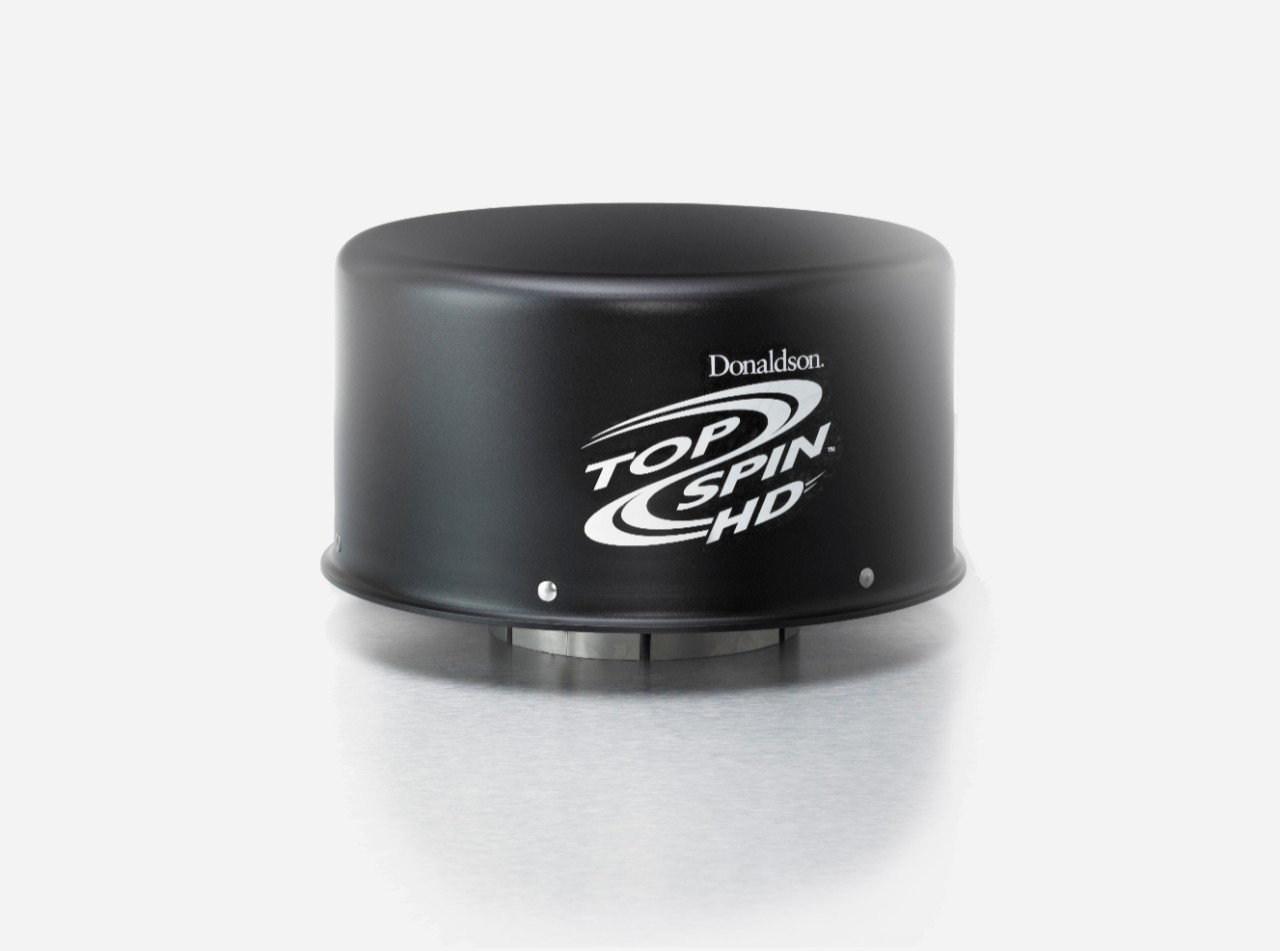
TopSpin HD™
- Built from durable metal for harsh conditions
- Extends air filter life
- Self-ejecting with up to 80% separation efficiency
- Ideal for medium to heavy dust environments
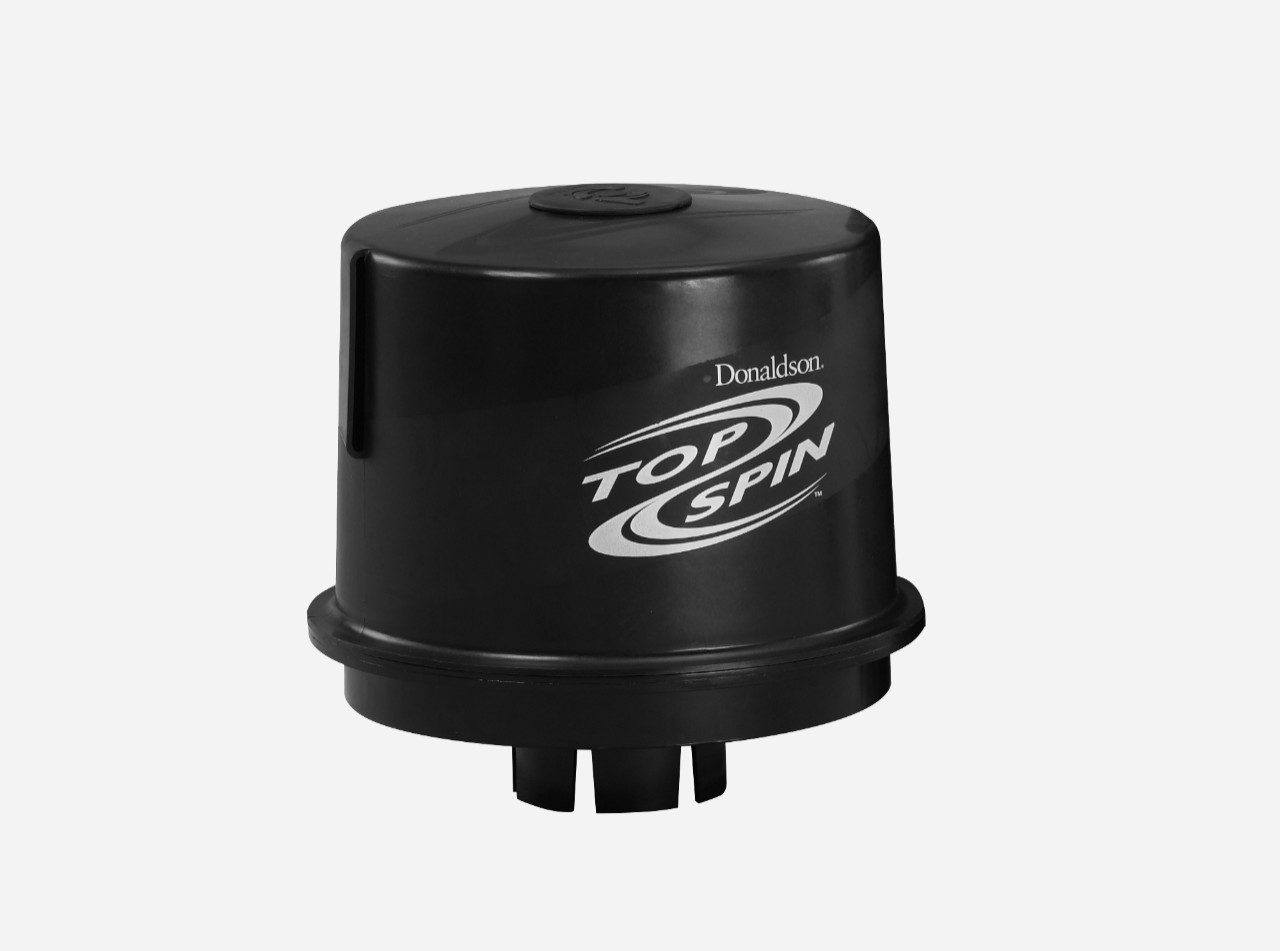
TopSpin™
- Lightweight and self-ejecting
- Reaches up to 85% separation efficiency
- Suitable for slower-moving and stationary equipment
- Ideal for medium to heavy dust environments
Full View Pre-Cleaners
- Spins incoming air, separating dust and water into an outer bowl
- Operates at about 75% efficiency
- Ideal for low-speed and stationary applications
- Must be manually emptied when full
Donaspin™
- Removes up to 90% of dust and contaminants
- Automatically ejects debris through the exhaust system
- Requires an exhaust ejector
- Designed for very heavy dust environments
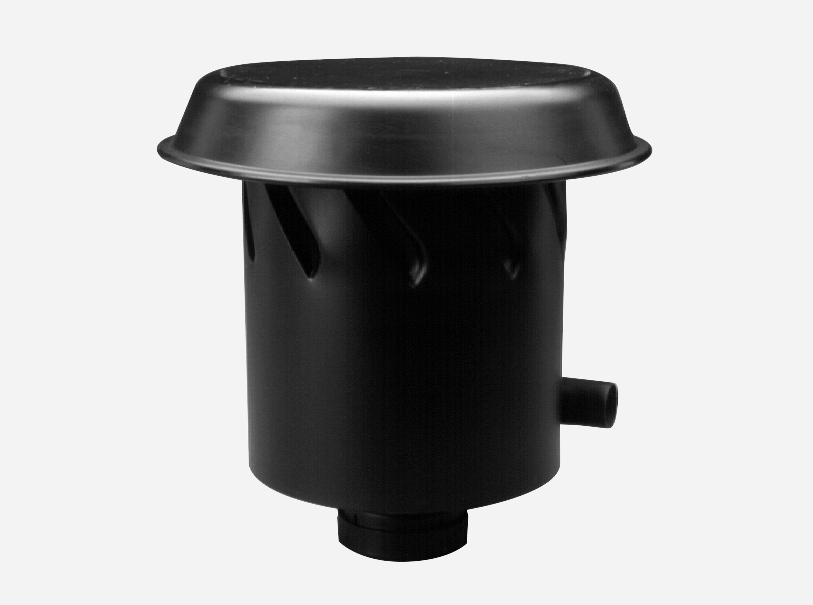
Please note: off-road pre-cleaners are not ideally suited to highway applications and may increase air intake noise and add significant intake restriction at high speed, impacting available power and or fuel consumption.
High Speed or on-road applications:
Air Rams
- The simplest form of pre-cleaner
- Removes dust and water effectively at high speeds
- Reduce air intake system restriction at highway speeds
- Must be installed correctly for proper function
- Not recommended for low-speed or stationary equipment
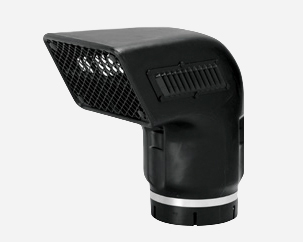
Inline Separators
- Commonly, on-highway vehicles utilise these between the air-ram and the air cleaner assembly.
- Internal vanes to separate dirt particles and water into the vacuator valve.
- Operates without needing a scavenge system
- Ideal for high-speed highway applications.

Harvest Vane
- Engineered to separate coarse fibrous materials without plugging
- Ideal for agricultural and refuse site applications
- Performance is maximised when scavenged, may be operating without
- Radiator shroud scavenge minimises potential fire hazards
In short: Matching the right pre-cleaner to your environment and engine promotes longer air filter life, fewer service intervals, and a lower overall total cost of ownership.