
If your equipment is stopping unexpectedly, suffering low power events, filters are plugging, or you're experiencing injector damage, it's time to take a closer look at your diesel fuel quality.
At Donaldson®, we specialize in helping fleets clean, protect, and polish fuel before it even reaches your vehicles or equipment — and we're here to help you avoid the headaches of fuel filter plugging.
Why Diesel Fuel Filtration Is More Critical Than Ever
Today’s engines use high-pressure common rail (HPCR) systems that demand much cleaner fuel than older models.
Key changes:
- Modern filters must remove particles in the size range of bacteria, far tighter than past requirements.
- Without compromise to service intervals, on-engine filters are tasked with capturing and retaining vast quantities of contaminants.
- Even fuel that complies with local and global standards can cause issues if not properly handled, especially during seasonal changes or when exposed to poor storage and handling practices.
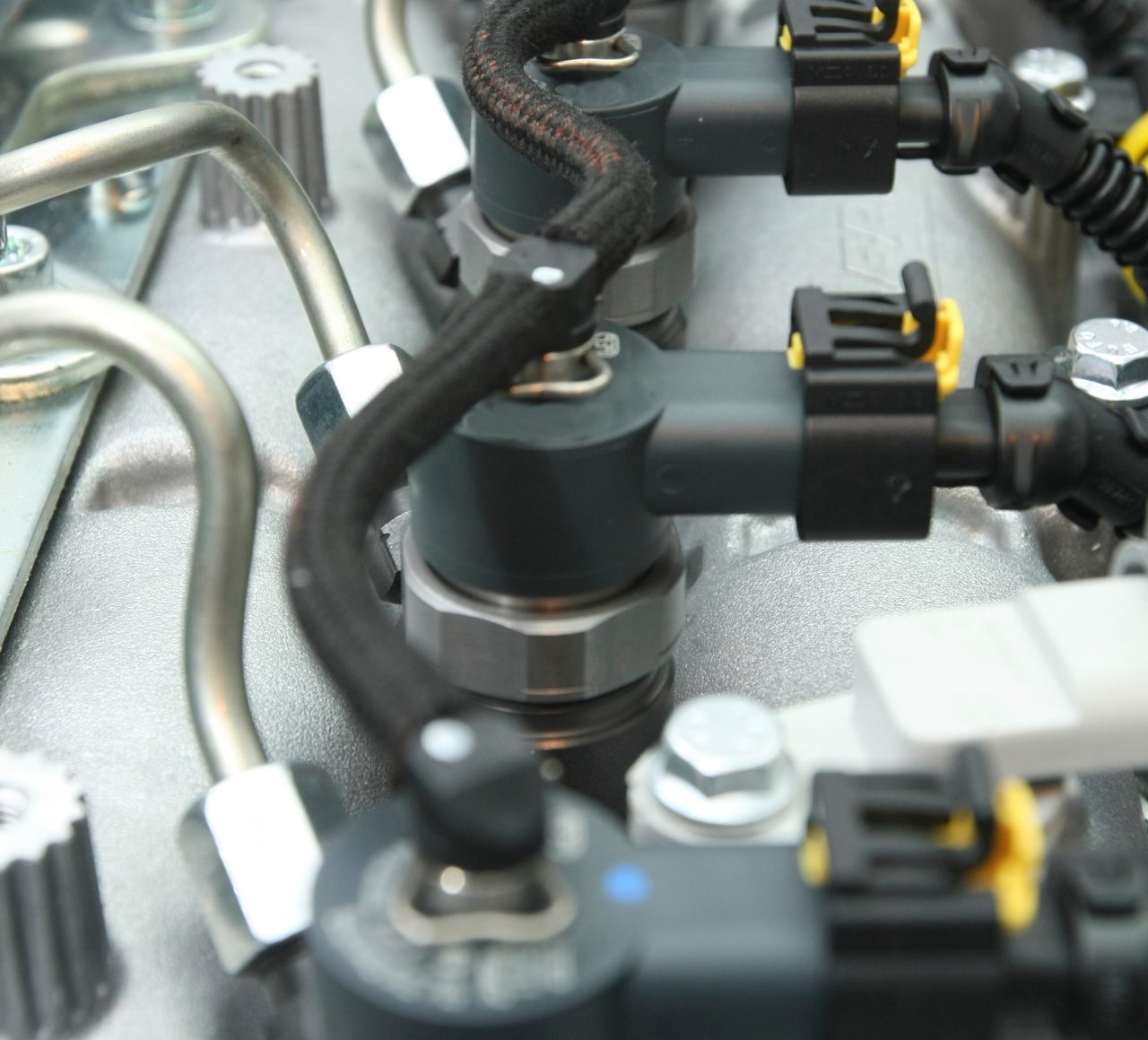
Warning Signs of Fuel Problems
- Frequent, rapid fuel filter plugging
- Unplanned equipment shutdowns
- Low Power events
- Damage to fuel injectors
If these issues sound familiar, it’s time to dig deeper into your fuel quality.
Common Causes of Fuel Filter Plugging
It takes a great quantity of large particles to rapidly block an efficient fuel filter; good old-fashioned dirt is rarely the cause of short fuel filter life. Rapid filter plugging is almost always due to a massive increase in extremely small particles (<4 microns in size).
1. Gelling and Waxing
- As diesel cools, wax crystals form and clog filters — even before the fuel looks cloudy.
- Donaldson recommends:
- Blending #1 winter diesel with #2 summer diesel to meet their temperature needs
- Using 7-micron winter filters to mitigate issues if n
- eeded
2. Cold Flow Improver
- Improperly blended cold flow additives can remain insoluble in the fuel, loading filters
- Properly blend cold flow improvers into warm fuel and practice good housekeeping
3. Amine Carboxylates
- Solids form from organic amine fuel additive (nitrogen-based chemistry), water, and a common corrosion inhibitor.
- Consult Donaldson for specialist advice
4. Metal Carboxylates
- Formed from salts (typically drying agents), low pH water, and a corrosion inhibitor, these may be found upstream in the fuel supply.
- Frequently, an intermittent issue that presents as a massive increase in very fine particulate that may rapidly block on-engine filters
- Best removed from the incoming fuel supply with high-efficiency bulk tank filtration
- Monitor fuel regularly to catch intermittent issues.
5. Glycerin and Biodiesel By-Products
- Glycerin from biodiesel can solidify when the water content in the fuel increases and the fuel cools.
- Solutions include:
- Lower biodiesel content in winter
- Routinely remove free water from storage tanks
- Adding surfactant additives to increase glycerine solubility
- Use 7-micron winter filters during colder months.
- Install reservoir air dryers to keep fuels dry
6. Pipeline Drag Reducers
- Engineered to reduce energy costs when moving fuel through pipelines
- Occasionally, undissolved drag reducers cause widespread filter plugging issues
- Use high-efficiency filtration at your bulk tanks to prevent its movement into equipment
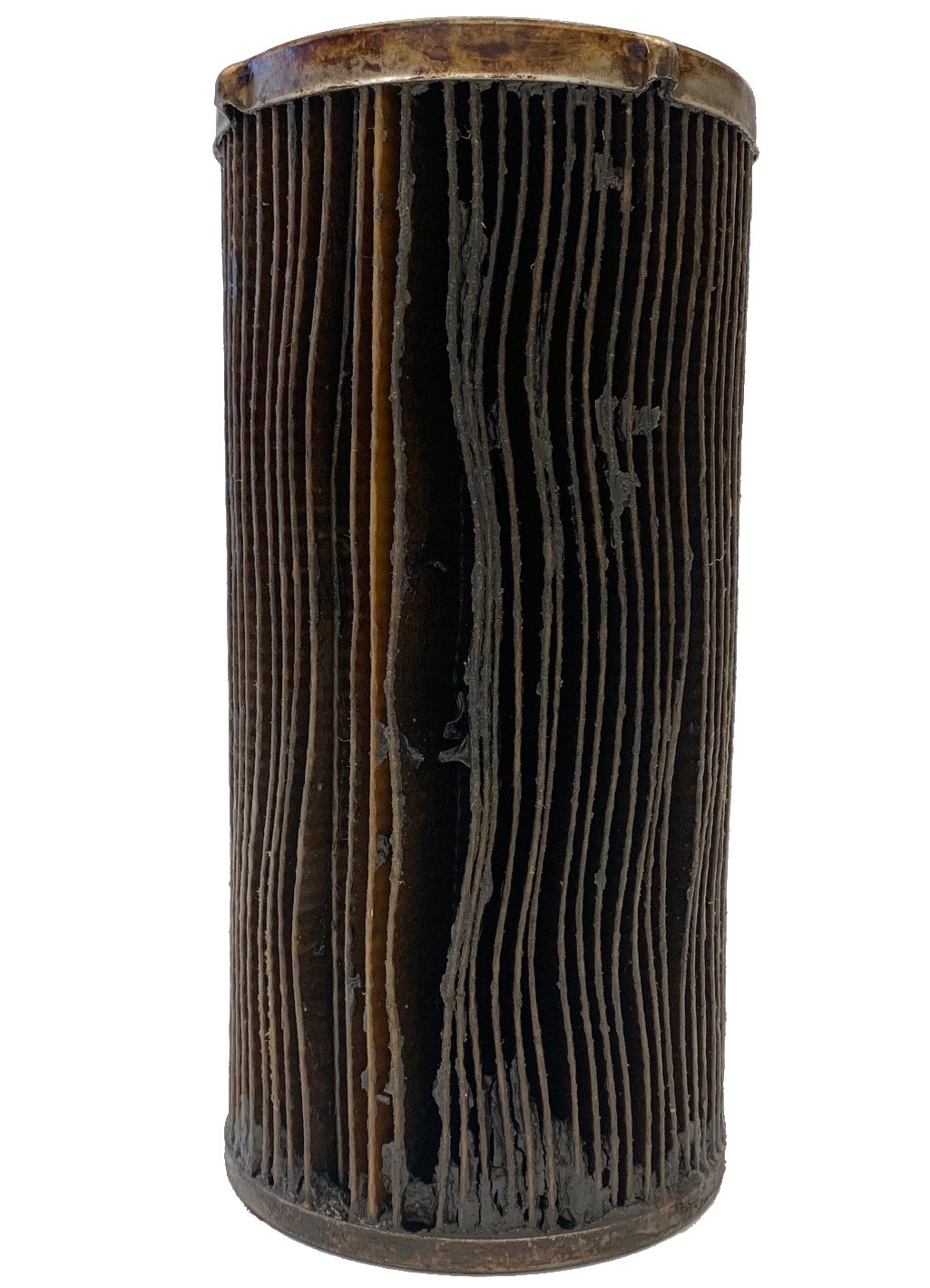 A glycerin-damaged fuel filter
7. Traditional Dirt and Water Contamination
- On-site transfers and storage infrastructure may increase the quantities of hard particulates and water.
- Donaldson recommends:
- Auditing sites to identify and rectify sources of contamination
- Regular tank cleaning.
- Installing breathers on tanks.
- Filtering fuel during delivery, dispensing, and transfer.
How Donaldson Can Help
Fuel filter plugging does not mean that you have "bad" fuel; often, it’s a result of how that fuel was handled and stored.
Our experts can:
- Diagnose root causes.
- Recommend filtration and maintenance strategies.
- Protect your fleet from unexpected downtime.
Good fuel management starts with clean, dry diesel — and ends with a fleet that stays running when it matters most.