
Dirty fuel isn’t just a nuisance — it’s a direct threat to your equipment. Even trace levels of contamination can cause significant damage, especially in newer engines with High-Pressure Common Rail (HPCR) fuel injection systems.
When we think about dirty fuel, we assume solid particles, and often our minds think of dust. Contaminants can come from a variety of sources, from rust, carbon buildup, salts, iron, agglomerated glycerine, fuel bug, or bacteria even unstable additive packages. Any of the contaminants can result in costly damage to your modern fuel injection system.
The High Cost of Hard Particulates
Modern fuel injection systems actuate under extreme pressure multiple times every engine cycle, and are vulnerable to even microscopic contaminants.
Here’s what hard particulates can do:
- Damage fuel injectors – Debris of just a few microns in size can erode the injector's ball seat, disrupting the spray pattern and causing over-fuelling.
- Reduce performance – Abrasive particles cause wear in pumps and valves, leading to poor idling, reduced fuel economy, and engine power loss.
- Trigger breakdowns – Over time, wear leads to part failure and costly downtime that can add great cost to high-demand industries like mining and construction.
The worst part? Most damaging particles are too small to see and often between the size range of bacteria and red blood cells, yet they cause sandblasting-like erosion inside HPCR systems.
There’s No Safe Level of Dirt
HPCR fuel systems require fuel that’s up to 1,000 times cleaner than traditional diesel engines could manage. Delivered diesel can contain far more particulate than the engine manufacturers allow.
Engine manufacturers are clear: fuel-related damage is not covered under warranty. It’s up to you to ensure your diesel is clean enough for your equipment.
How Contamination Happens
Even when diesel starts out clean, it can pick up dirt and debris every time it’s transferred or stored. Common contamination sources include:
- Pipelines – Old or corroded lines contribute rust and metal particles.
- Barges and rail cars – Residual cargo, poor tank cleaning, or long transit times add contaminants.
- Terminal tanks – Fast turnover means little settling time; previous loads may have left residue.
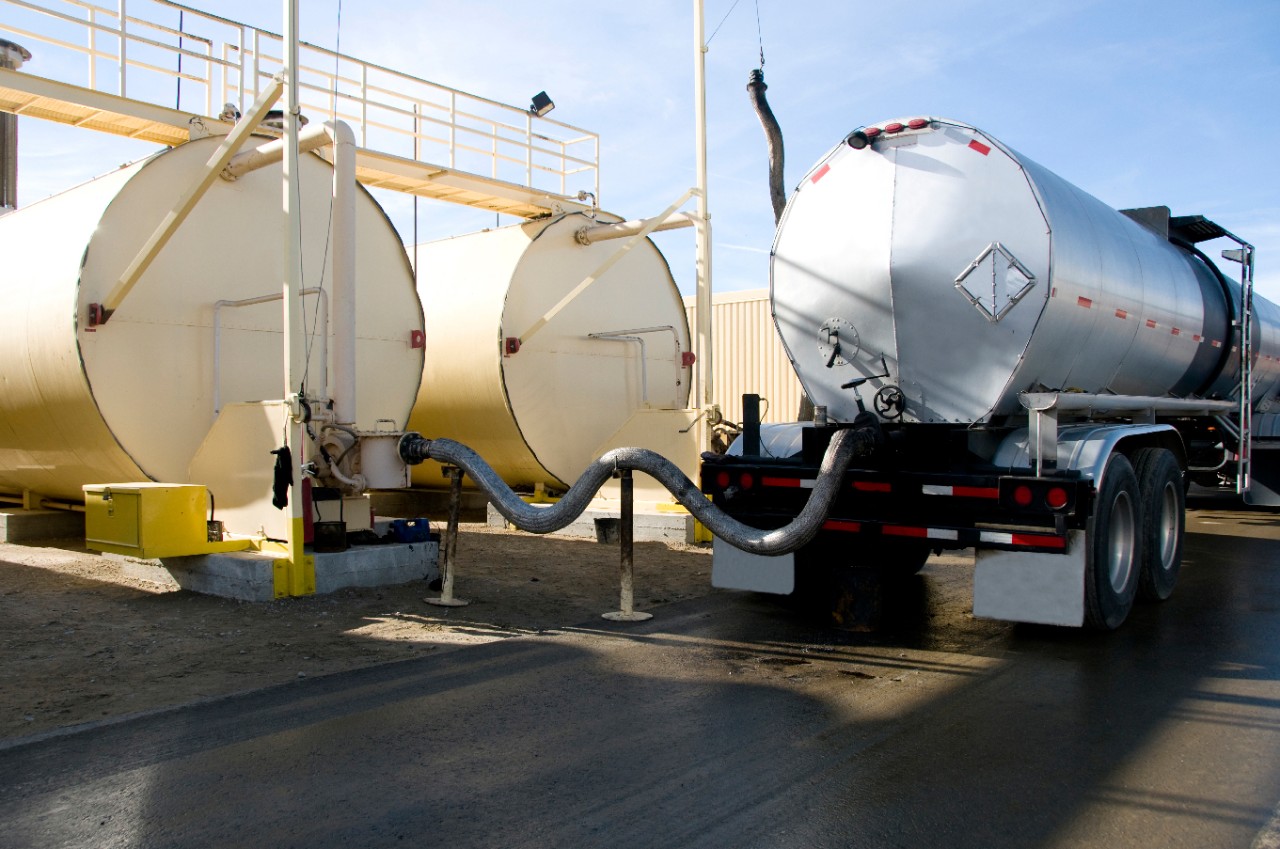
- Delivery trucks – Dust and debris can enter via unprotected vents during fuel unloading.
- Bulk storage tanks – Sediment, water, and microbial growth are common in onsite tanks.
- Dispensing equipment – Dirty pipes, nozzles, and fill points add contaminants just before fuelling.
- Onboard fuel tanks – Aging equipment and internal wear contribute more particles to the fuel system.
- Engines themselves – Heat can oxidise or age fuels that are returned to the tank.
A Simple, Effective Solution: Test and Filter
If you’re facing clogged filters or fuel system wear, the first step is identifying where the contamination is coming from. Start by testing fuel at key points:
- Upon delivery
- Inside the bulk tank
- At the dispenser
Once you have identified the problem, you can act:
- Clean or replace tanks
- Install high-efficiency filtration at critical locations, including dispensing points
- Improve fuel handling practices
Take Responsibility for Clean Fuel
While fuel suppliers must meet minimum standards, those standards may not align with the cleanliness requirements of HPCR fuel injection systems. Unfortunately, price-focused purchasing practices may lead to the use of ever dirtier fuels.
Tips to protect your equipment:
- Choose reputable suppliers — not always the cheapest.
- Request filtration upgrades — if you're a high-volume customer, your supplier might be prepared to guarantee fuel cleanliness at your site.
- Test regularly — use lab analysis, or conduct on-site affordable patch tests to monitor fuel cleanliness on your own.
As the consumer, you’re solely responsible for the cleanliness of the fuel that enters your equipment. Don’t wait until the damage is done; make fuel cleanliness a major part of your maintenance program.