
Every hour of unscheduled downtime can cost thousands, and in industries like mining or aggregates, even a brief interruption can snowball into unrecoverable losses. While most operators focus on mechanical maintenance, one often overlooked factor is fuel quality.
Diesel that’s anything less than ultra-clean can spell disaster for modern engines. In particular, high-pressure common rail (HPCR) engines are more sensitive than ever and more prone to damage from microscopic contaminants.
Why Clean Diesel Matters More Than Ever
HPCR systems offer exceptional performance and lower emissions, but they also operate under extreme pressure and tight tolerances. Unfortunately, this means:
- Even tiny particles can cause major damage — contaminants in the size range between bacteria and red blood cells can cause irreparable damage to fuel injectors.
- Visual checks no longer cut it — “clear and bright” used to be the standard, but today’s engines are destroyed by particles not visible to the naked eye.
- Contaminants cause cascading problems — from reduced fuel economy, loss of performance, hard-to-start faults, low power events due to blocked filters, diesel particulate filter (DPF) failures and catastrophic engine damage.
Where Diesel Contamination Happens
Diesel travels a long and complex journey before it reaches your equipment, and contamination can happen at every stage:
- From the refinery, Fuel may be transferred by truck, rail, or pipeline, with each move adding risk.
- At the bulk terminal, Transfers introduce more chances for water and water ingress.
- During delivery, each “in” and “out” move between tanks increases exposure to airborne contamination.
- At your site, aged or poorly maintained storage, day and mobile tanks are all high-risk
Simply, many bulk tanks and site practices are not suited to meet the fuel cleanliness needs of modern HPCR engines.”
 The potential for fuel contamination grows higher as fuel is transferred to mobile fueling trucks or other devices in the “final” storage stage.
The Hidden Dangers in Bulk Tanks
Your bulk fuel tank may be doing more harm than good if not properly managed. Common issues include:
- Dust and dirt are entering through unprotected vents
- Sediment and sludge are stirred up from the tank bottoms when receiving new fuel at high flow rates.
- Moisture, which accelerates rust, bacterial growth(fuel bug), additive stability issues and glycerin drop-out from biodiesels.
- Free water will additionally result in catastrophic injector tip failure.
Filtration: Your First and Best Line of Defense
While there’s no single or perfect solution, clever filtration strategies form a critical part of engine protection.
Donaldson recommends:
- High-efficiency onboard filtration – quality filters are a cost-effective investment.
- Proper external tank filtration – including:
- Inlet filters capture contaminants before fuel is stored.
- Breather filters to minimise airborne dust and moisture
- High efficiency dirt filters in series before water-absorbing filters at dispense points.
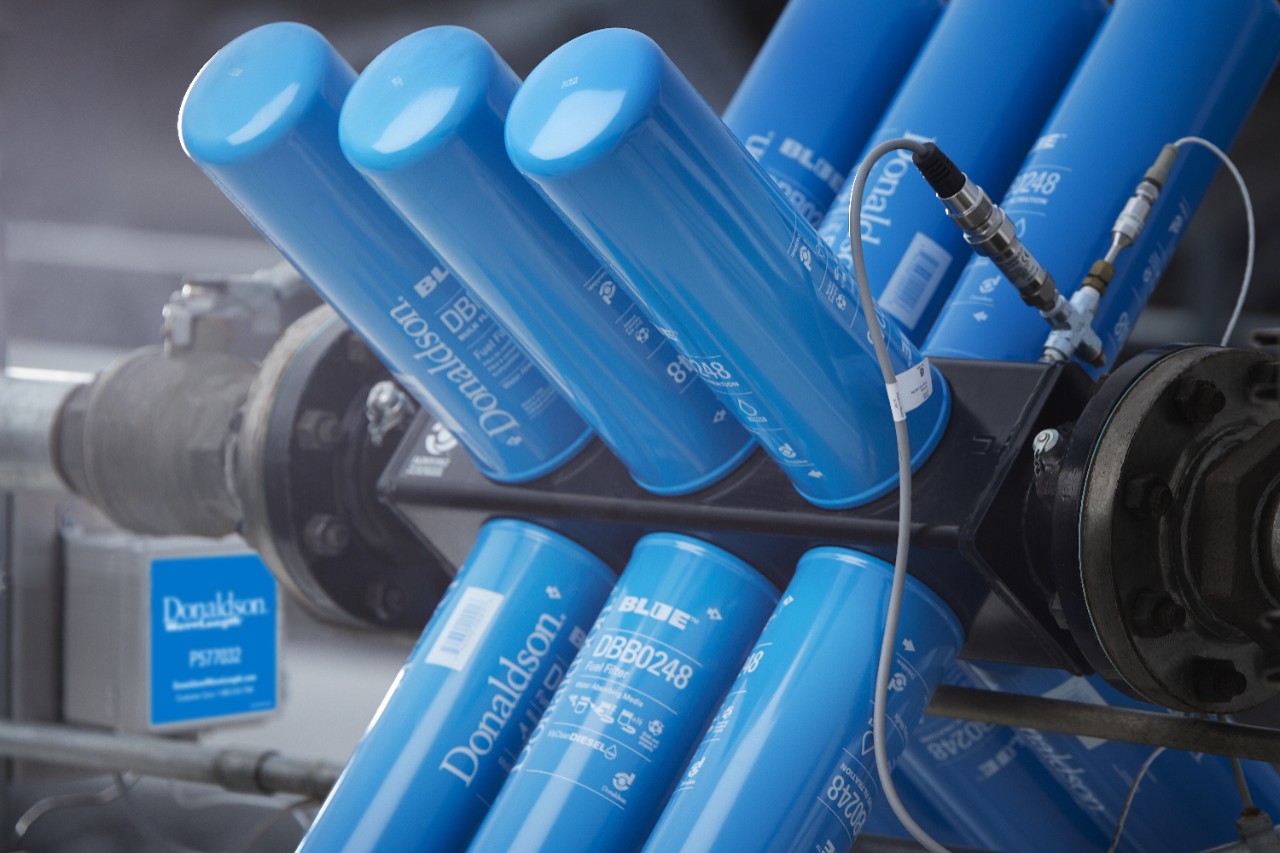 Effective filtration goes a long way to protect your engines.
Remember — not all filters are created equal. Some only catch a small percentage of large debris; others remove and retain over 99.95% of damaging particles. Make sure your filters meet or exceed your engine’s cleanliness requirements.
The Bottom Line
Today’s engines demand exacting levels of diesel cleanliness. Fuel that was once “good enough” now threatens equipment reliability and uptime. Understand the sources of contamination and invest in high-performance filtration to protect your fleet, avoid costly repairs, and keep your operations moving.