
HPCR systems operate under extreme pressure, typically between 28,000 and 54,000 psi. Individual injectors actuate multiple times every engine cycle, meaning that not only are they subject to higher pressures than their predecessors, but they are working faster and more frequently. The technologies applied to a modern engine to achieve greater power, reduced fuel burns, and yet lower emissions are fantastic.
The downside is that tiny particles in the size range of bacteria can cause wear or erosion, disrupting an injector’s ability to seal and hastening fuel pump failure.
Contamination and Compliance Risks
To maintain performance and meet warranty expectations, many engine manufacturers now specify ISO4406 in-tank fuel cleanliness levels. If the fuel in your onboard tank exceeds the contamination thresholds, both performance and warranties could be impacted.
Common Industry ISO Cleanliness Ratings
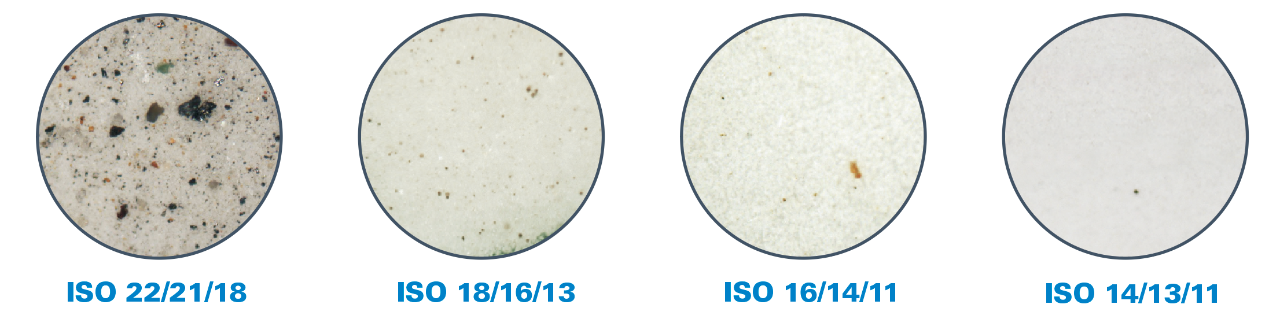
The pictures are comparative patch tests, where a small amount of fuel has been pulled under vacuum through a 1-micron membrane, and then the patch is viewed under the microscope at 100x magnification.
- ISO 22/21/18 – Common field sample from a remote on-site fuel tank
- ISO 18/16/13 – Target cleanliness for many highly additised gear and engine oils
- ISO 16/14/11 – Target cleanliness for many hydraulic and transmission oils
- ISO 14/13/11 – Target cleanliness for dispensed diesel fuels
Where Contamination Starts
While fuel typically leaves the refinery super clean, during transportation and storage, it moves through pumps, pipes, gantries, trucks and often into local fuel depots, before the same process repeats to transfer the fuel to your site. Inappropriate handling practices, poor site hygiene and aged or inadequate infrastructure compound the challenges.
It is not always this simple, but without the benefit of filtration systems in the supply chain, the more times the fuel has been handled and transferred, the dirtier it may be when you receive it.
Common contaminants include:
- Rust, scale and paints
- Airborne dusts
- Oxidation by-products or sludge
- Water from condensation, thermal cycling, rain, or wash waters
- Insoluble fuel additives (due to prolonged storage)
- Microbial growth
Clean. Protect. Polish.
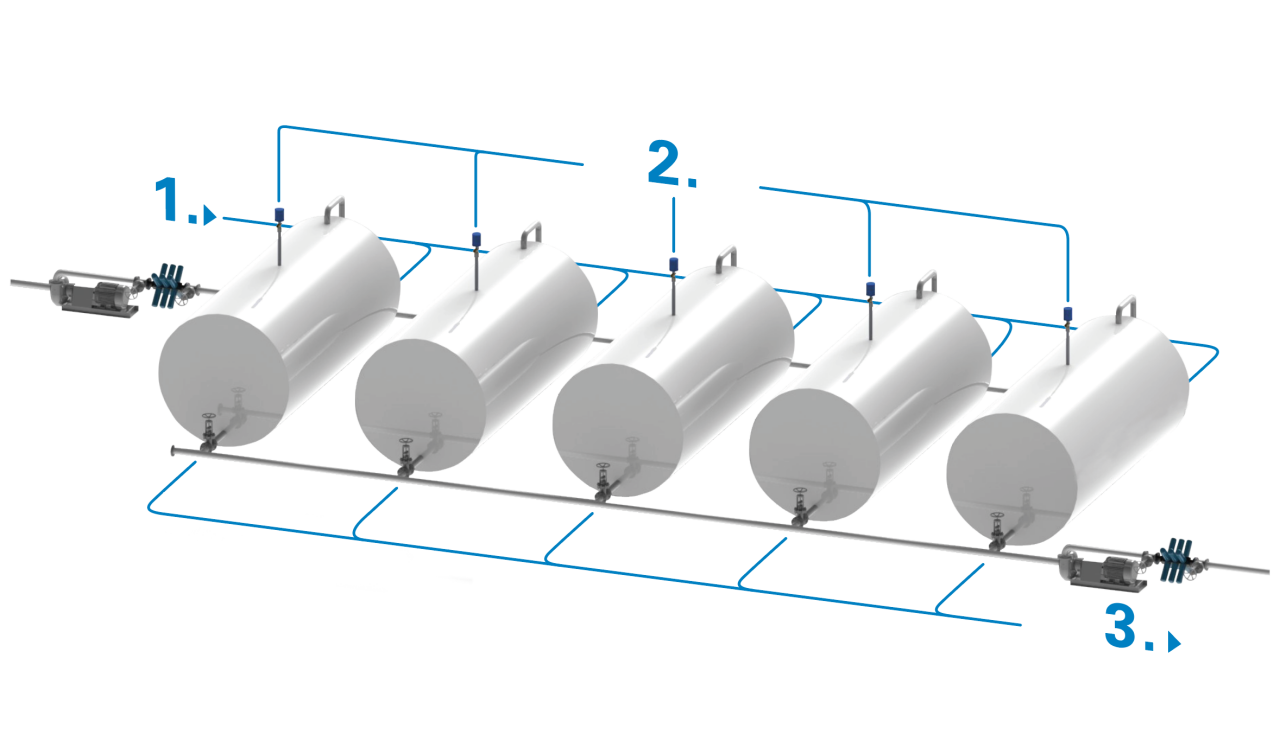
In addition to high-efficiency on-board filtration, Donaldson provides a complete range of scalable bulk filtration systems utilizing advanced technologies to protect both today's and tomorrow’s fuel injection systems.
- Clean fuel before storing it
- Protect fuel with deliquescent breathers while in storage
- Polish fuels at the dispensing point
The New Challenge: Modern Fuels
New fuel types like Ultra Low Sulfur Diesel (ULSD) and biodiesel blends have brought additional challenges. These fuels can accelerate corrosion and create complex forms of contamination that require specialist advice and management.
A sudden increase in the rate of on-engine or bulk tank filter blocking may be the result of:
- Glycerine agglomeration
- Changing fuel supplier
- Improperly applied or dosed additives on-site
- Increased amounts of bacteria or fuel bugs
- Oxidised or aged fuel
- A chemical change in your fuel, including unstable additives
Final Thoughts
Clean fuel isn’t just about meeting regulatory requirements—it’s essential to engine performance, longevity, and your total cost of ownership. Investing in high-quality filtration and proper fuel handling ensures your diesel engines run cleaner, longer, and with fewer surprises.
Remember!
The filter has not failed when it blocked, rather, it has done the job it was designed to do. Applying a coarser filter to extend element life only provides the contamination with free access to your expensive engines.