
No matter your industry, downtime is costly. That’s why it's critical to eliminate risks wherever you can—including in places you might not expect, like your diesel fuel supply.
Why Clean Diesel Matters More Than Ever
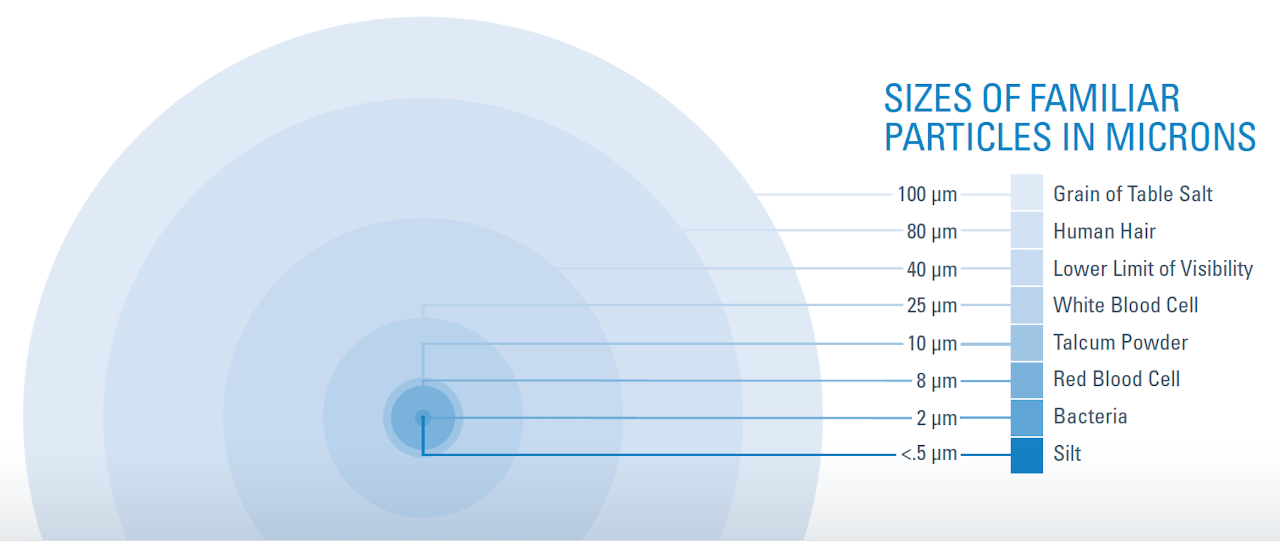
Today’s high-pressure common rail (HPCR) engines offer better efficiency and lower emissions, but they’re also more sensitive to contamination. These advanced systems have tighter tolerances, which makes them more vulnerable to microscopic particles, many of which are invisible to the naked eye.
Consider this:
- The human eye can see particles as small as 40 microns.
- HPCR engines can be damaged by particles just 2 microns in size—the size of bacteria.
Even visually clean fuel can cause serious issues, including:
- Loss of horsepower
- Increased diesel particulate filter (DPF) regenerations
- Clogged on-engine fuel filters
- Premature DPF failure
- Complete fuel system breakdown
In off-road industries like mining, even a few hours of lost production can lead to major financial loss. And in the worst cases, contaminated fuel can damage or destroy engines, one of the more expensive failures to fix.
Where Contamination Begins
Diesel fuel picks up contaminants at nearly every step in its journey:
- Refinery to Terminal: Whether it’s moved by truck, rail, barge, or pipeline, each transfer is an opportunity for dirt and water to enter.
- Terminal to Bulk Storage, followed by bulk storage to site. More handling means more risk.
- Bulk Tank to Equipment: Transfers to day tanks, fueling trucks, or directly into machinery carry the highest risk of contamination.
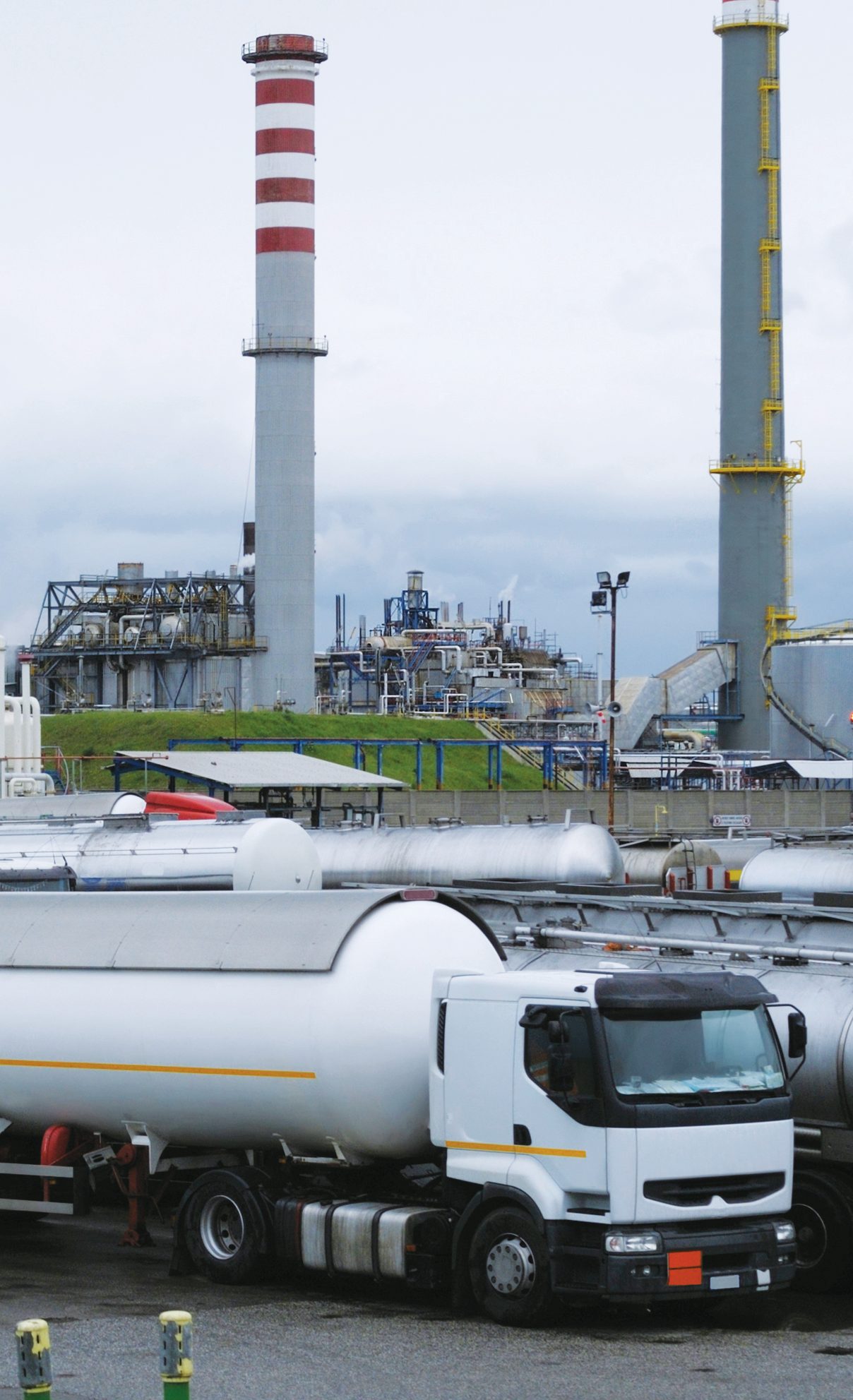
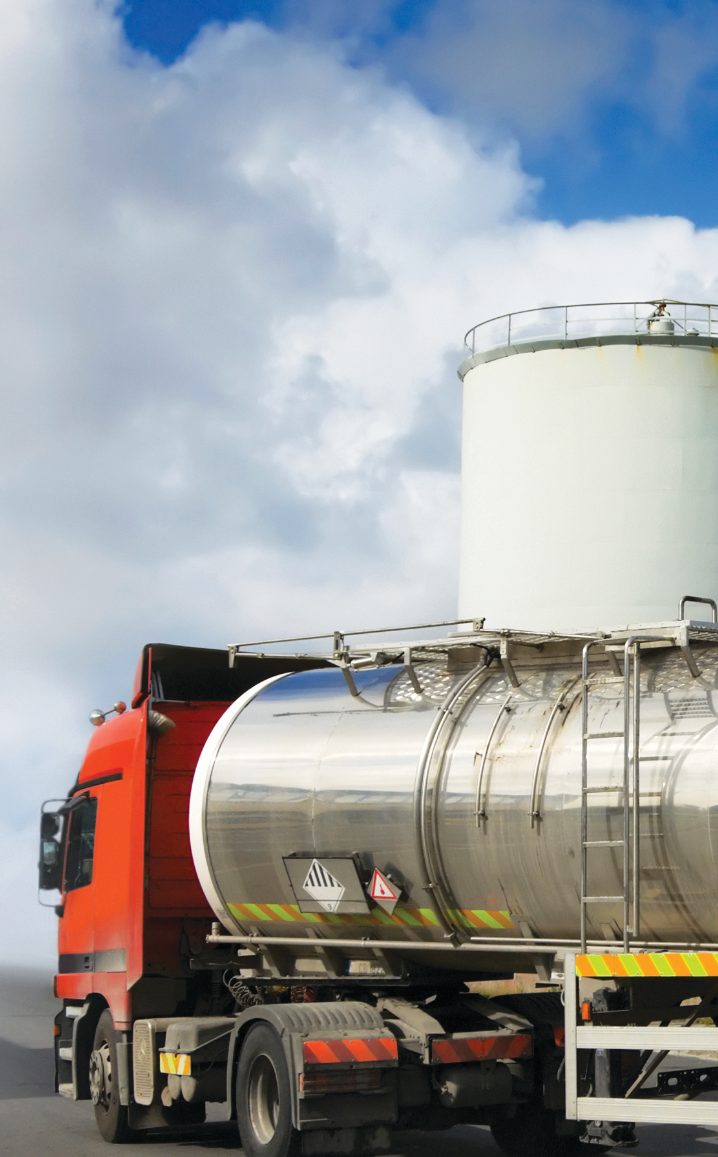
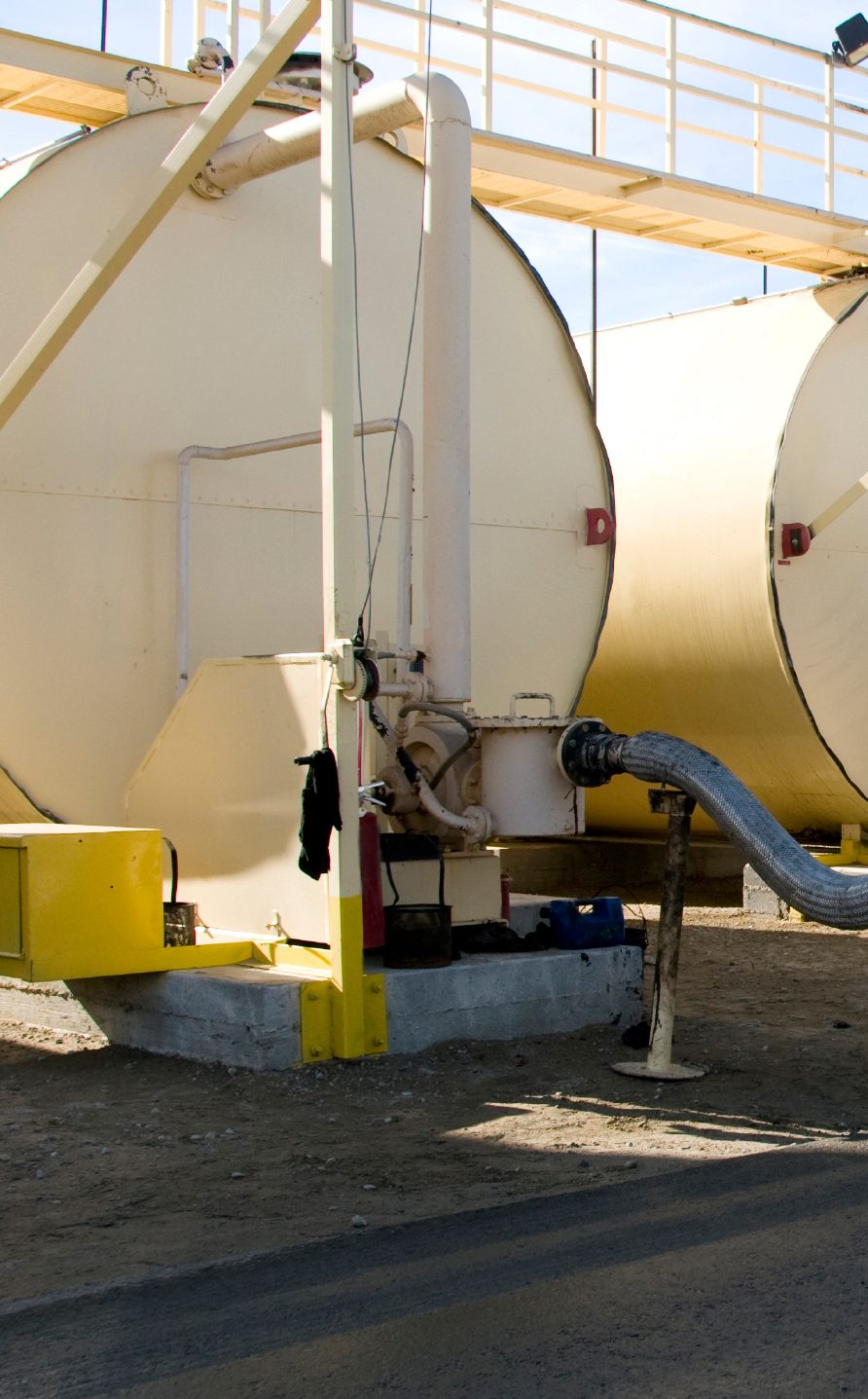
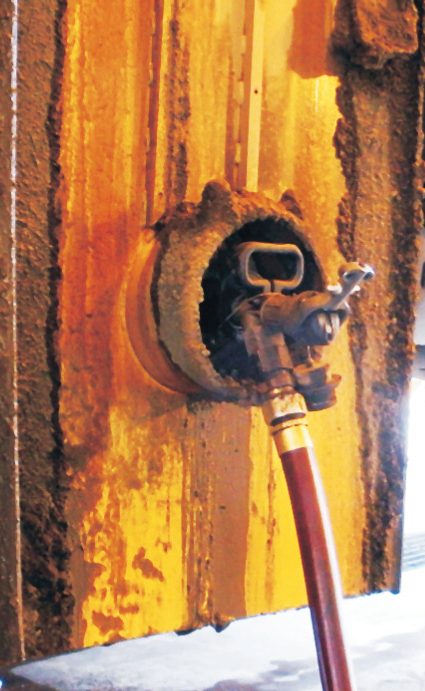
As diesel travels from the refinery to terminal locations to local bulk storage and finally to your bulk tank, it picks up contamination that is deadly to today's engines.
Even if your fuel supplier meets local and global cleanliness standards, that does not always guarantee trouble-free operation of a modern diesel engine.
The Danger Lurking in Bulk Storage
Bulk tanks are hotspots for contamination. Here’s why:
- Dust enters through open vents.
- Sludge and sediment are stirred up with the delivery of new fuel at high velocity
- Water may be leading to corrosion and fuel stability issues
- Filter clogging bacteria (fuel bug) may be thriving
Water is especially problematic, promoting rust, bacterial growth, glycerin drop-out and increasing the rate of oxidisation or fuel degradation.
Part of your Defence is Quality Filtration
The world’s best quality filter will not overcome the challenges that come from bad site maintenance practices; however, filtration is an important part of your holistic approach.
By removing dirt, water and other contamination before your fuel ever touches your equipment, you'll eliminate costly unplanned downtime, Keep Running and Achieve More.
To keep diesel clean before it reaches your equipment:
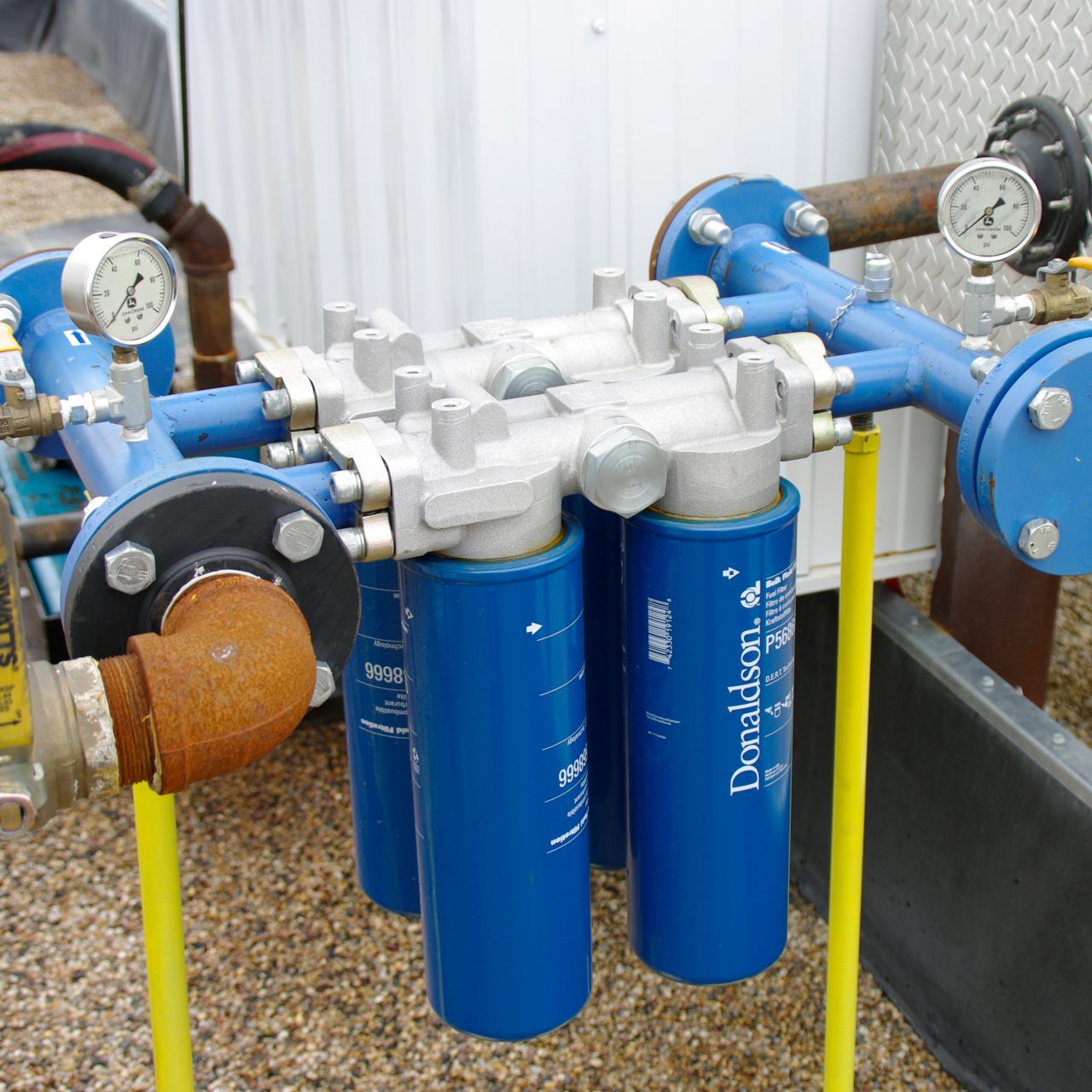
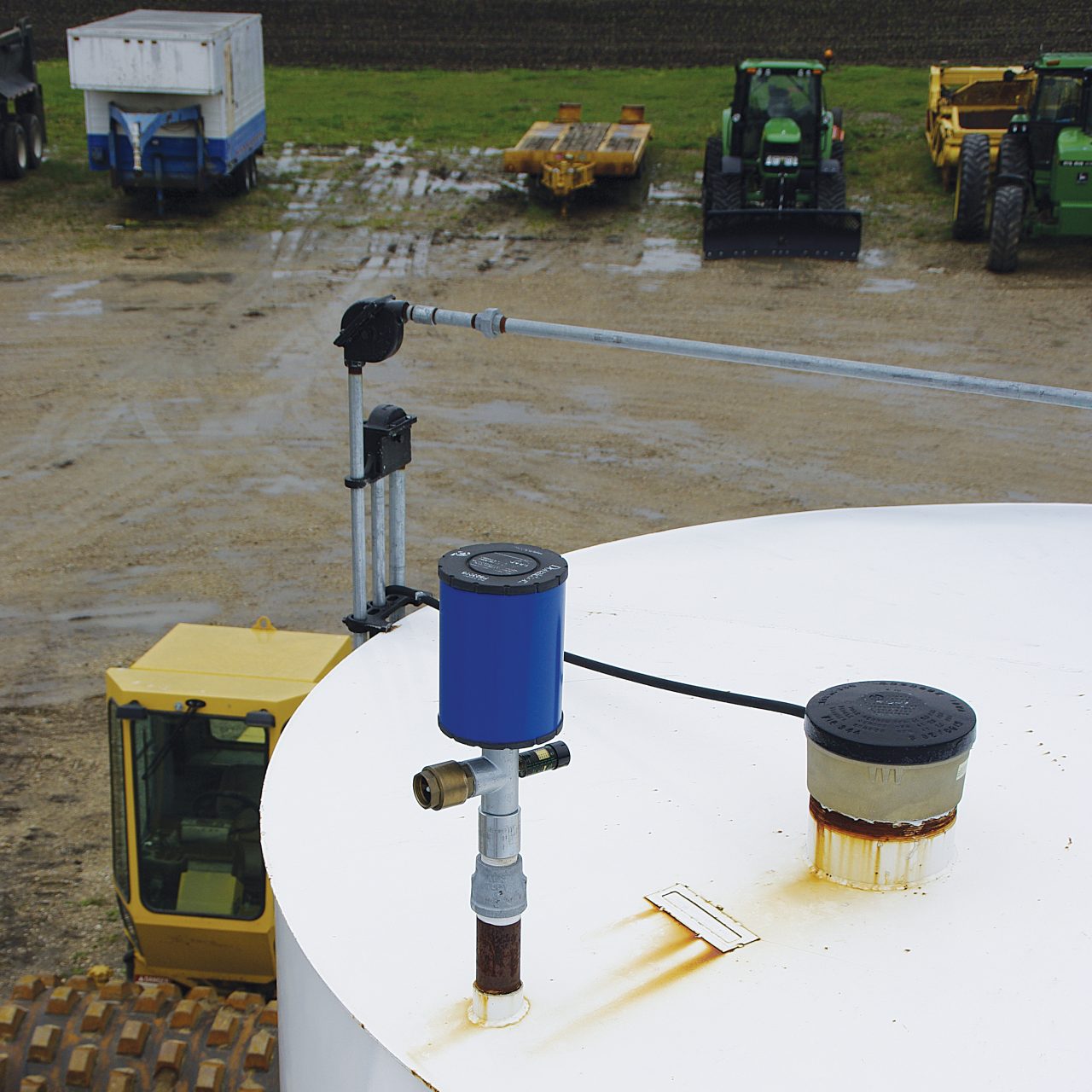
- Install inlet filtration on bulk fuel tanks
- Use deliquescent breathers on tank vents
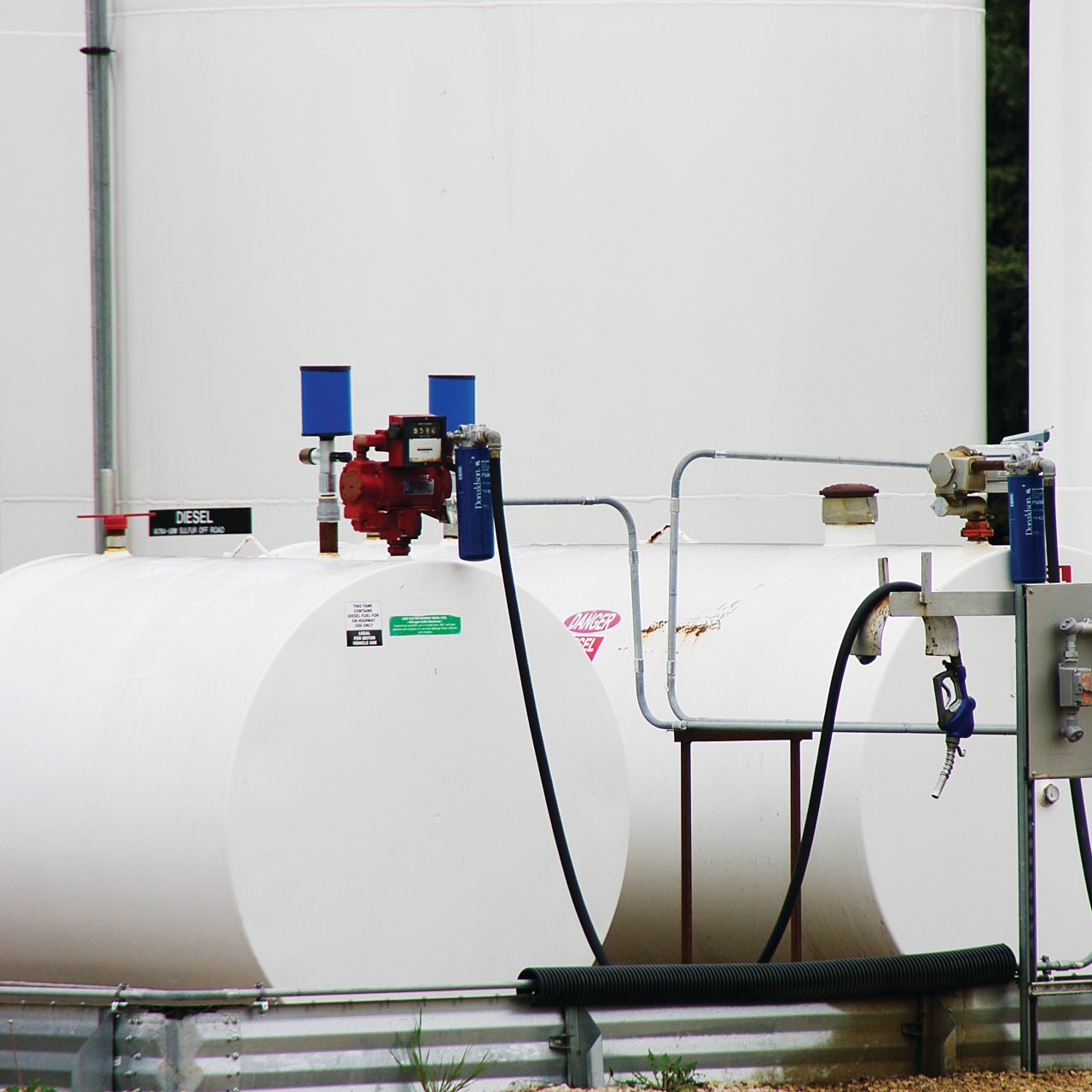
- Equip suitable fuel pumps with high-efficiency particulate and water-absorbing filters
- Don’t rely on basic filters - some only block large debris, while others remove over 99.95% of damaging contaminants.
Clean Fuel Can = Reliable Equipment
Advanced filters do more than meet outdated standards- they protect today’s engines in real-world conditions. With the right filtration and maintenance strategy, you can reduce unplanned downtime, protect your investments, and keep your operation running.