
Microbes are everywhere, including your fuel tank. While individually they’re invisible to the naked eye, these tiny organisms can cause big problems if given the right environment to grow.
Warm weather, stagnant fuel, biodiesel content and free water in diesel storage can create the perfect breeding ground for microbial colonies. Left unchecked, they can damage tanks, clog filters, degrade fuel, and cost you a fortune in maintenance and downtime.
Why Microbes Thrive in Diesel
Microbial growth requires two key ingredients:
- Food: Diesel fuel is a food source, biodiesel is an excellent food source.
- Water: Free water that settles on tank bottoms provides microbes a home to grow in.
The interface between fuel and water is known as the “rag layer.” Rapidly multiplying microbes live in the water and feed off the bottom of the fuel. Warmer conditions or the presence of biofuels accelerate the process and just help them to grow even faster.
How Microbial Growth Damages Fuel and Equipment
If not caught early, microbial colonies can:
- Produce acidic byproducts that lead to corrosion and rust
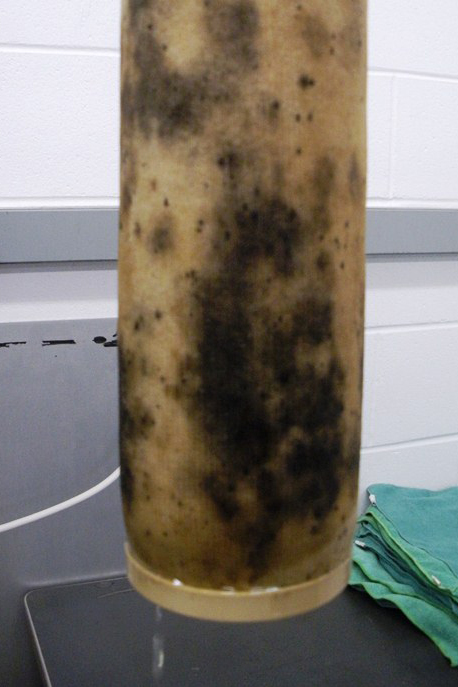
- Rapidly block on-engine filters with slimy sludge, reducing flow and engine performance
- Create unusable fuel, acrid-smelling diesel fuel
- Result in rapid fuel injector damage or failure
Static tanks with high water content and extended periods of diesel fuel storage are often most susceptible.
Common Misconception: It’s Not Algae
Many people refer to this issue as “algae” in the fuel. In reality:
- Algae is a plant and needs sunlight to survive.
- Fuel tanks should be closed, dark environments.
- The real culprits are bacteria and fungi, often referred to as fuel bug.
How to Diagnose Microbial Contamination
Most operators don’t notice a problem until filters start plugging and manifesting as low-power events. But by then, the issue is already advanced.
Here’s how to catch microbial growth early:
- Inspect used filters – Slimy, black residue with a foul odour can be a strong indicator.
- Use ATP testing – ATP (Adenosine Triphosphate) is a marker of living cells. The ASTM D7463 test detects ATP in diesel and provides results in about 10 minutes.
- Take multiple samples – Collect samples from multiple tank depths and locations, especially near the rag layer.
- Try commercial test kits – Many user-friendly options are available.
How to Eliminate Microbial Contamination
Once microbes gain a foothold, they’re tough to remove, and your approach will be determined by the severity of the infestation. Simply treating the fuel may not solve the problem unless you remove the conditions that allow them to grow.
Here’s a step-by-step approach:
- Routinely monitor water content in all tanks
- As required, drain all free water from all tanks
- Manual tank cleans may be required to remove residual growth
- Partner with a reputable biocide provider
- Apply a high-dose biocide to kill the microbial colony. Note that maintenance dosing is not always effective
- Install high-efficiency filters at the tank dispense to protect your equipment
- Periodically treat with high-dose biocide if required
- Maintain water control – no free water means no microbial growth.
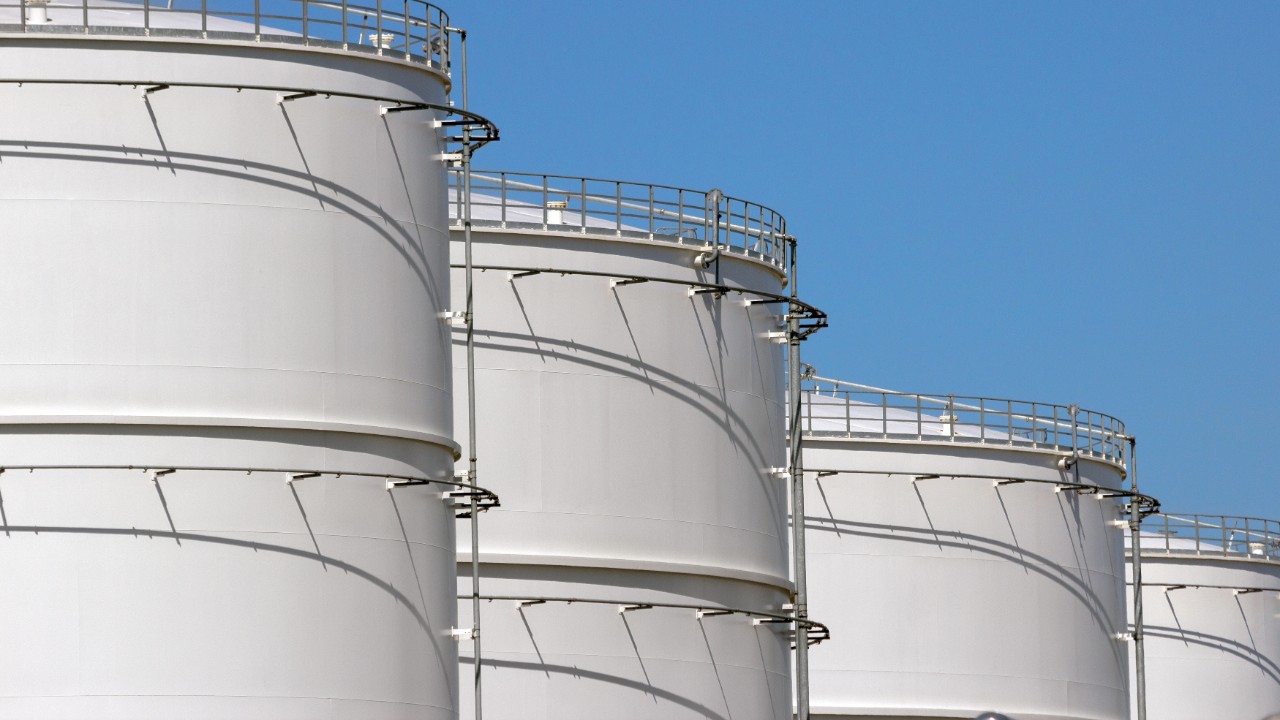
Tank cleaning isn’t always possible or feasible. High-dose biocide treatments may result in vast quantities of dead microbes left inside the tank, which will rapidly block high-efficiency on-engine filters, resulting in low power events or worse.
Best practice is to prevent the dead microbes from being dispensed into your equipment. Be prepared to feel the pain at the dispense point; ensure that you have an on-hand supply of high-efficiency bulk filters, as multiple element changeouts could be required.
The Bottom Line
Microbial contamination in diesel and biodiesel blends is a real and growing problem, but it’s manageable. Regular testing, biocide treatment, and strict water control are your best defence.
Clean, dry fuel tanks do not provide a home for the microbes to thrive.