
Maintaining hydraulic systems is a little more complex than just routine checks, it demands specific attention to contamination. Microscopic particles can disrupt sensitive components and lead to costly downtime. Understanding not just how contamination enters your system but also how to protect your equipment from the impacts of contamination is essential.
Why Do Hydraulic Systems Fail?
Contamination is the leading cause of hydraulic system failure and can:
- Damage valves
- Accelerate wear
- Wear metals generate more wear
- Reduce system speed and performance
Older systems had greater tolerances, but contamination was still a concern. The difference is that modern hydraulic systems have far less tolerance for contamination, making fluid cleanliness more critical than ever.
Today’s equipment often operates at higher pressures and incorporates precisely engineered, tight-tolerance components. Electronically controlled pressure valves in pilot circuits produce hydraulic forces tuned to move a proportional directional valve spool to the required flow opening. These valves may move less than a millimetre to produce the exact forces required. Typically used as the first layer of control in massive hydraulic systems, pilot valves can be incapacitated by a single particle of the right dimensions. A jammed pilot valve could render a machine inoperable.
How Does Contamination Get In?
Contaminants come from both inside and outside your system. They may be created during operation or introduced through poor maintenance practices. Common entry points include:
- Adding or replenishing fluid
- Quick couplers, breather caps, or filler ports
- Worn seals or gaskets
- Introduction during repairs or maintenance
- Missing or poorly maintained breather assemblies
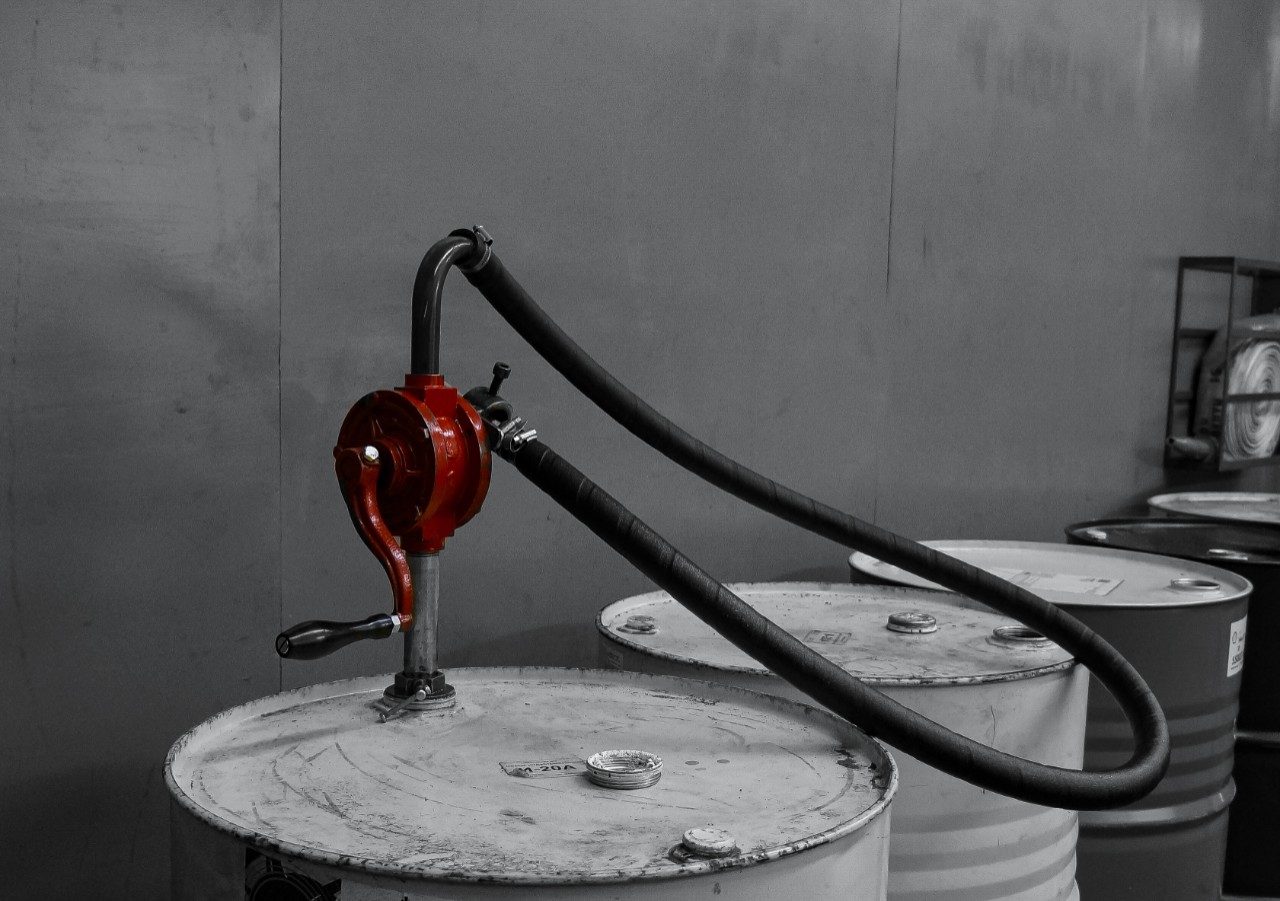
Even new hydraulic fluid can contain contamination from transport, packaging or improper storage and handling.
Avoiding Contamination During Refilling
Skip the open funnel and bucket method—it’s outdated and risky. Instead:
- Use a filter-transfer pump to fill through a dedicated tank coupler
- Avoid pouring through breather caps, which only block large debris
- Ensure quick couplers and fill points are clean before connection
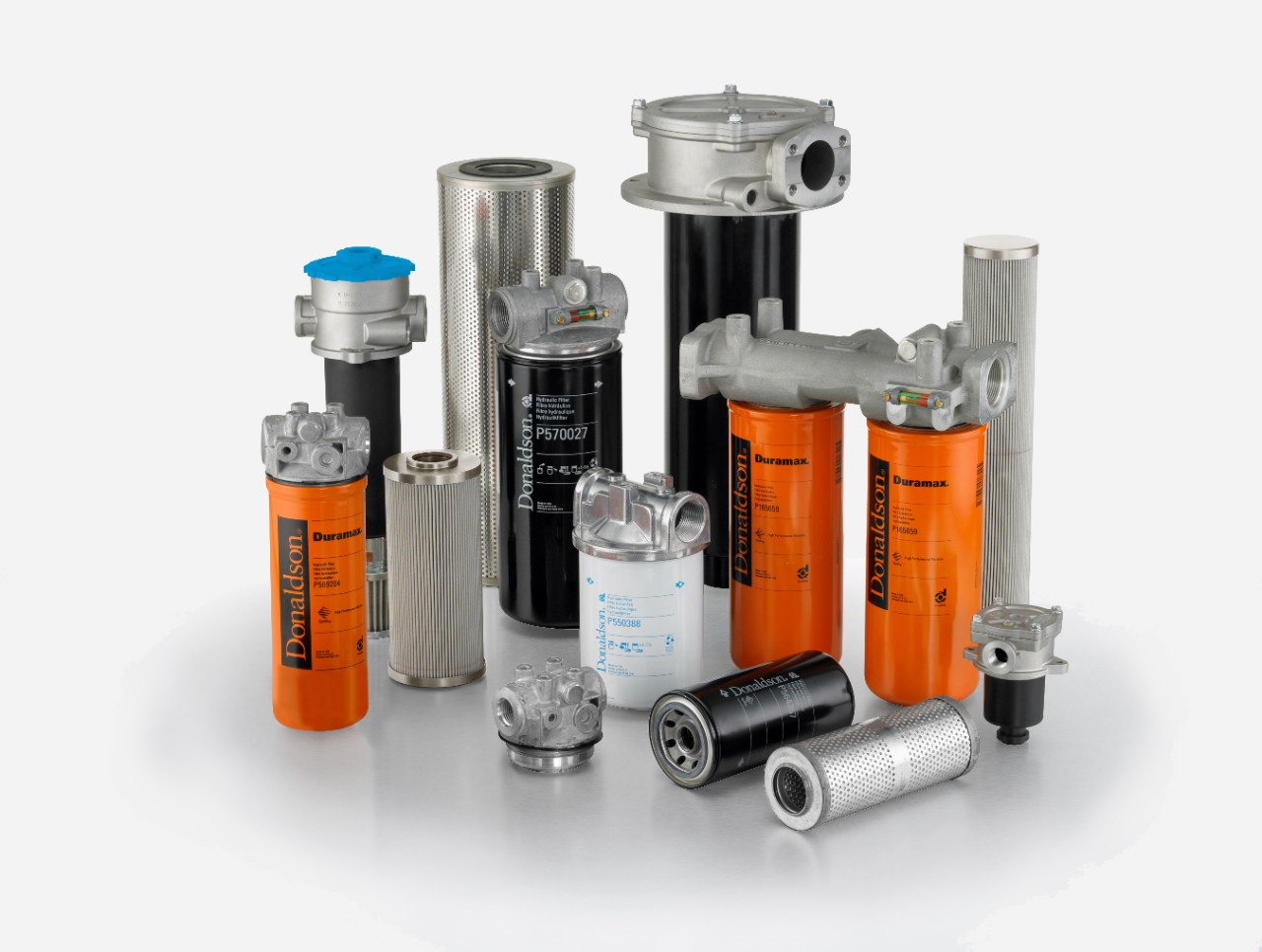
Donaldson filter carts provide an easy, portable solution for off-line kidney loop filtration or clean fluid transfer.
Types of Contamination to Watch For
1. Metal Particles
- Generated during repairs such as cutting hoses, and poor workshop hygiene practices.
- Generated during operation, metal on metal contact, hastened by poor lubrication
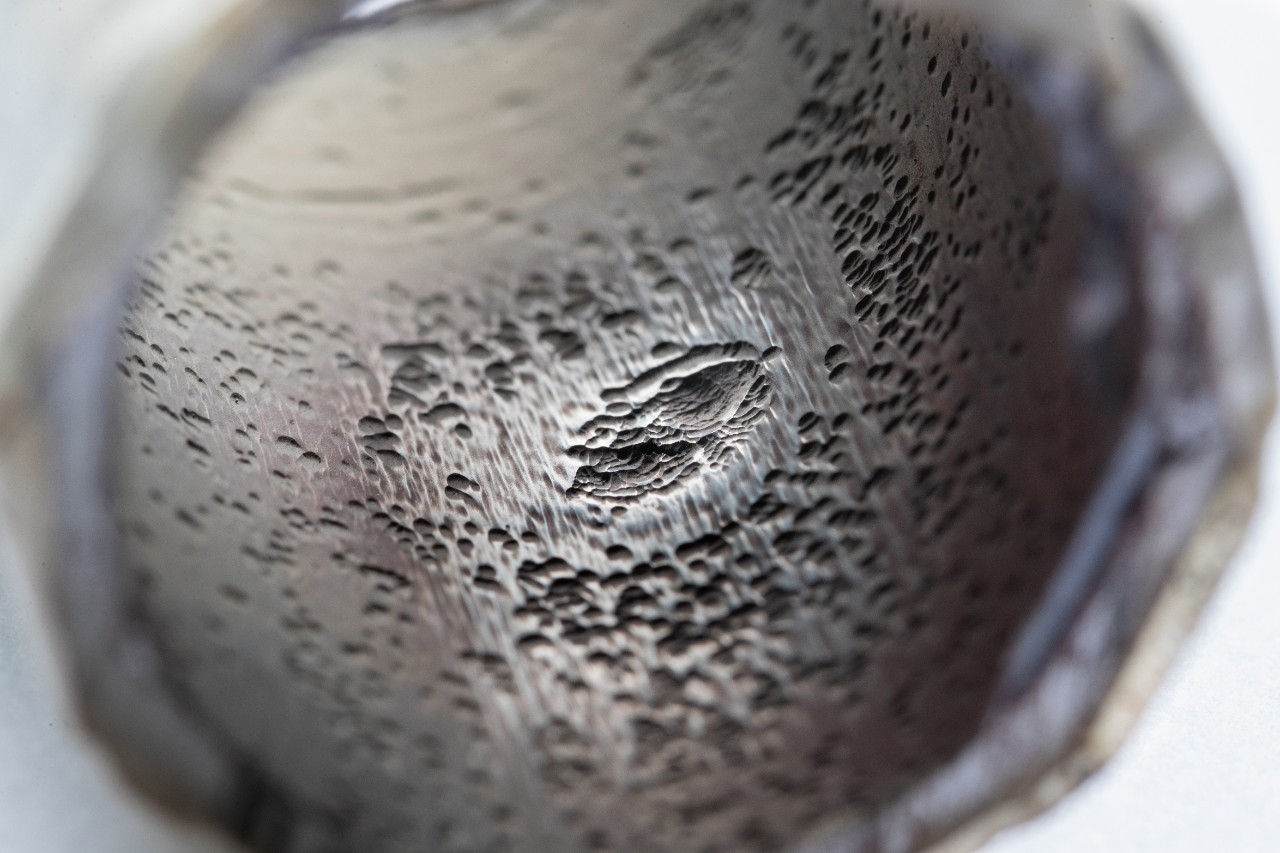
- It can come from cavitation—tiny vapor pockets imploding under pressure and eroding metal
- Free metal particles cause further damage as they move through the system.
2. Fiber and Environmental Debris
- Shed from rags, paper towels, deteriorating seals, or O-rings
- Solid particulate such as dust, sand, and sawdust can enter through breathers, during fluid top-offs and worn wiper seals
- Note that some dusts and particulates are highly abrasive and damaging
3. Water
- Water can enter a hydraulic system through contaminated oil, inadequate breathers, and condensation in the system.
- Leads to corrosion, loss of lubricity, microbial growth and hastens the oxidisation process.
Best Practices to Reduce Contamination
- Use high-quality hydraulic oil and appropriate storage methods
- Choose filters matched to your system's needs
- Flush the hydraulic system if required to remove built-up sludge or wear particles
- Educate maintenance staff and operators to think and work clean
Prevention Is Cheaper Than Repair
It is always cheaper to prevent contamination from entering a system than it is to remove it or pay for the damage it creates. Prevention is the preferred option rather than Cure. Breathers and filters combined with workshop hygiene and best practice maintenance provide a formidable defence. If contamination challenges persist, consider consulting Donaldson’s hydraulic filtration experts.
- Identify contamination sources
- Optimize your maintenance schedule
- Recommend filtration upgrades for your environment and equipment
Contamination Control is a Team Effort
Everyone involved with your equipment—owners, supervisors, technicians, and operators—should be informed about hydraulic system cleanliness. Ensure all team members:
- Understand the risks of contamination
- Recognize early warning signs
- Receive proper training, including filter and hose replacement best practices
Keeping your system clean protects your investment, reduces downtime, and extends equipment life.