
Why Filtration Matters in Hydraulic Systems
Fixed and mobile hydraulic systems are critical to a broad range of industries. Whether it’s construction, mining, agriculture, oil and gas, transport, shipping or manufacturing, efficient hydraulic systems are an integral part of our modern world. Quality filtration and fluid cleanliness are essential to maintain these systems in peak operational condition.
Filtration requirements vary according to system operating pressures, design complexity, duty cycles and critical value of the machine.
The hydraulic system on a farmer’s log splitter is of low value and importance compared to that of a hydraulic mining excavator that is loading a circuit of ten haul trucks with ore.
Each machinery manufacturer balances cost and physical constraints against the most efficient way to protect the system and chooses its filters accordingly. Often, equipment will have multiple filters installed at different locations within a system to protect sensitive components.
Common Types of Hydraulic Filters
Understanding the types of filters used in your equipment can help you make better replacement decisions. Here’s a quick breakdown:
Low-Pressure Filters
Generally found between the tank and pump, or in the return line to the reservoir. Rated up to 24 bar (350 psi) low pressure filters include a diverse range of media. Low pressure = lower filter cost, not lower quality filtration.

Medium-Pressure Filters
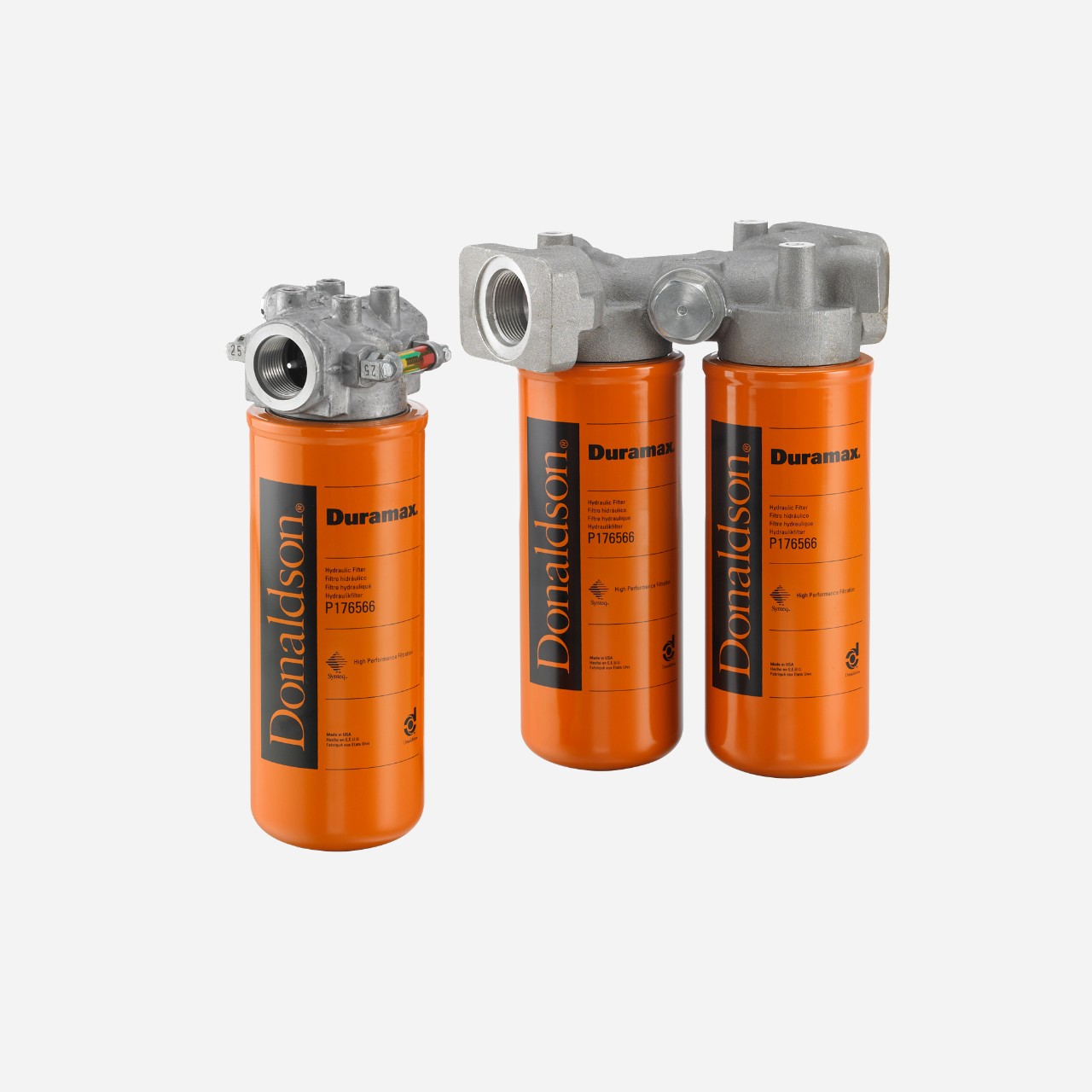
Medium-pressure filters are usually designed as in-line components, either as a spin-on or as a cartridge-bowl solution. They are usually rated for use at pressure levels of 20–138 bar/90–2,000 psi. Typically, these filters are used to collect the debris generated during equipment operation.
High-Pressure Filters
Positioned after the pump and before critical components like cylinders, valves, and motors. These offer the highest protection and are rated for 130–450 bar (1,885–6,500 psi). High pressures = higher filter costs.

In-Tank Filters
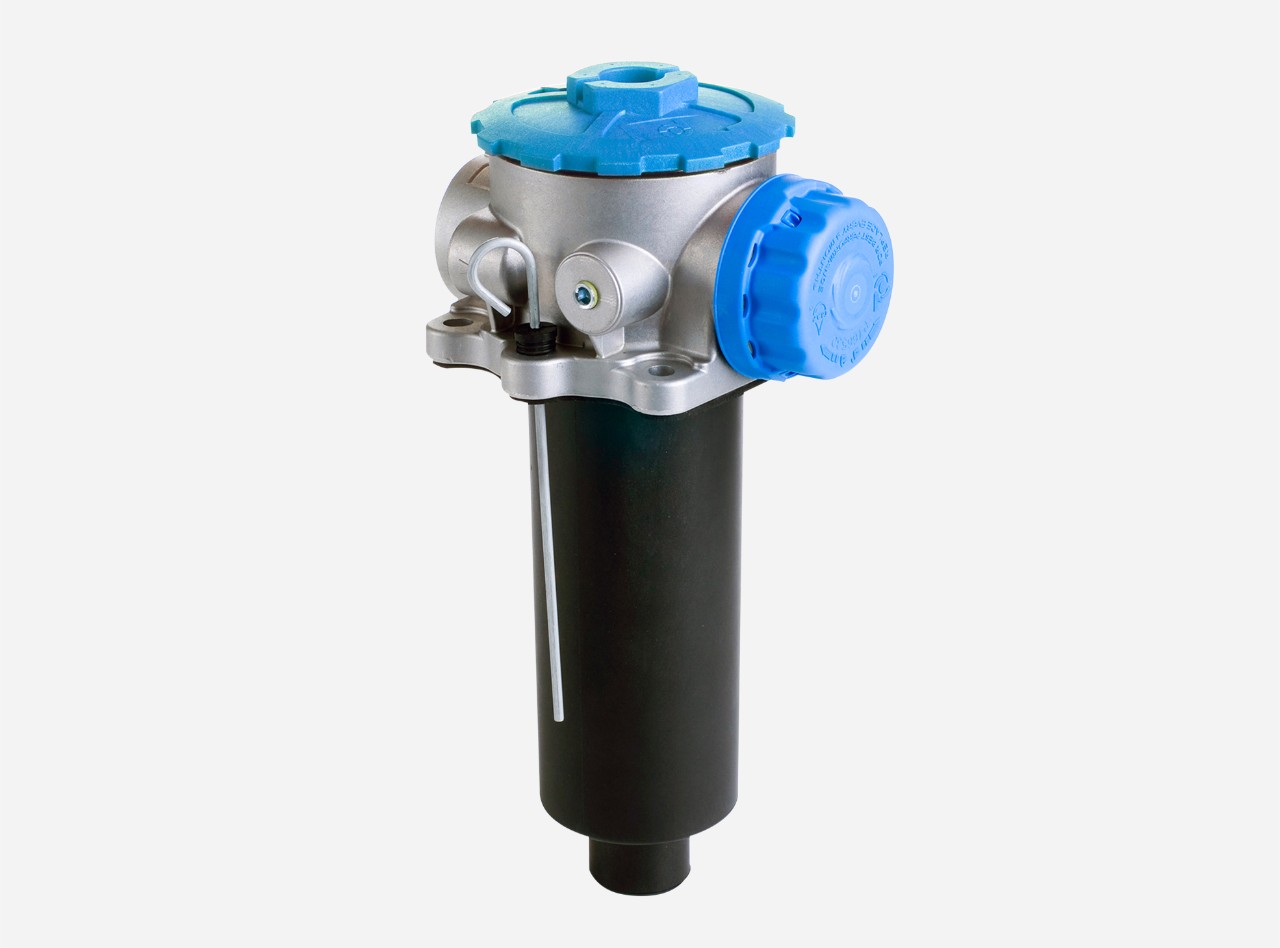
Low-pressure space-saving design, which positions the head on the tank top and the cartridge inside the reservoir for return oils. Used to collect debris generated during equipment operation. Tank-top combination suction and return housings are available.
Strainers
Simple wire mesh devices are installed inside the reservoir below the oil level to screen out large particles before fluid reaches the pump.

Breathers
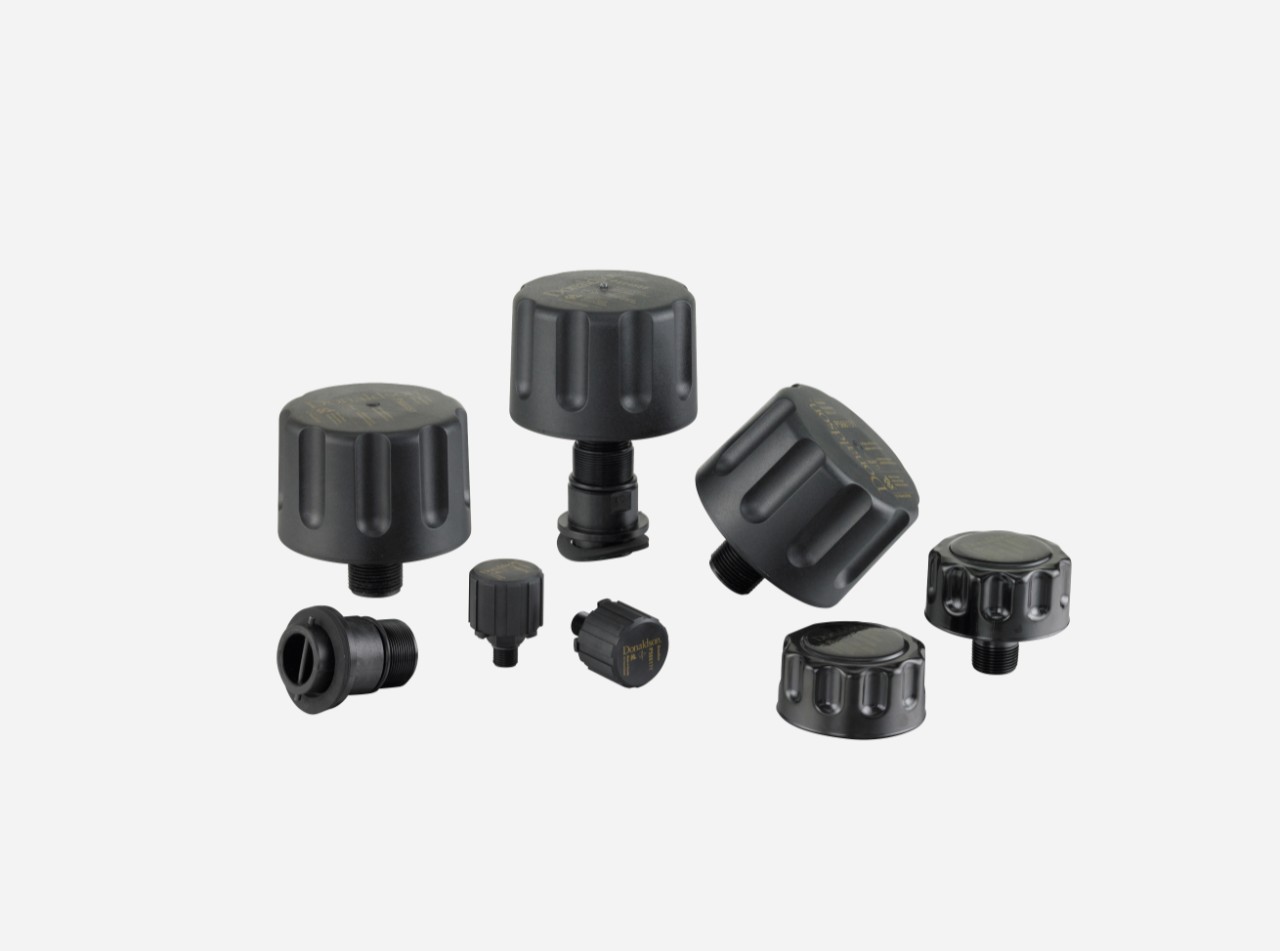
Prevent contamination from entering the hydraulic reservoir as fluid levels fluctuate. Advanced deliquescent regenerative breathers (like Donaldson T.R.A.P.) block moisture and airborne particles.
Why Filter Ratings Matter
The specific pressure range of a filter is based on where it’s located in the circuit. Using a filter with the wrong pressure rating can result in significant clean-up costs and expensive hydraulic system damage.
Pressure and fluid flow rates are not the only concern, filtration efficiency is just as important:
- High-efficiency filters load more contamination but may restrict flow.
- Low-efficiency filters may allow more flow but don’t capture as many particles.
It might seem like higher efficiency is always better, but that may not be the case. Most hydraulic filters have a bypass valve, which opens to protect the system under certain conditions (like a cold start, pressure spike or very loaded filter). If the filter becomes rapidly loaded and excessively restricts the flow, the bypass valve opens and allows unfiltered fluid through the circuit.
Important Filter Replacement Tips
- Always follow your equipment manufacturer’s recommended maintenance schedule (usually listed in operating hours).
- Match the pressure and efficiency values for each filter exactly—don’t guess or substitute.
- Avoid the temptation to buy the cheapest option. Quality filters from reputable brands are tested for durability and performance, protecting valuable components and reducing the risk of unscheduled repairs.
- Be sure to replace filters with the same design structure. If the original filter’s bypass valve is in the head, the replacement must also have its bypass in the head.
Need Help Choosing the Right Filter?
If you're unsure which filter to use, Donaldson experts are here to help you find the right match for your system.