
Fuel filtration is an integral part of the complete fuel system. Modern engines are increasingly requiring better fuel filtration technology to ensure delivery of the cleanest fuel to your engine’s fuel system, as contaminated fuel can lead to vehicle downtime and costly repairs to your engine and expensive fuel system components. Donaldson answers some common questions on ensuring adequate fuel filtration and system protection.
Q: Where should I install an additional fuel filter?
A: We recommend installing extra filtration as a primary filter, placed before the factory-fitted filter. Do not remove the original filter, which should be retained as originally fitted.
- The additional filter may be installed in any easily accessed location away extreme exhaust heat that allows for ease of servicing and water draining.
- Installation before the factory filter leaves the fuel system from the factory filter to the engine unaltered, minimising impact to engine management systems.
- Primary filter location ensures that the factory filter is supplied with fuel meeting the vehicle manufacturer's cleanliness expectations.
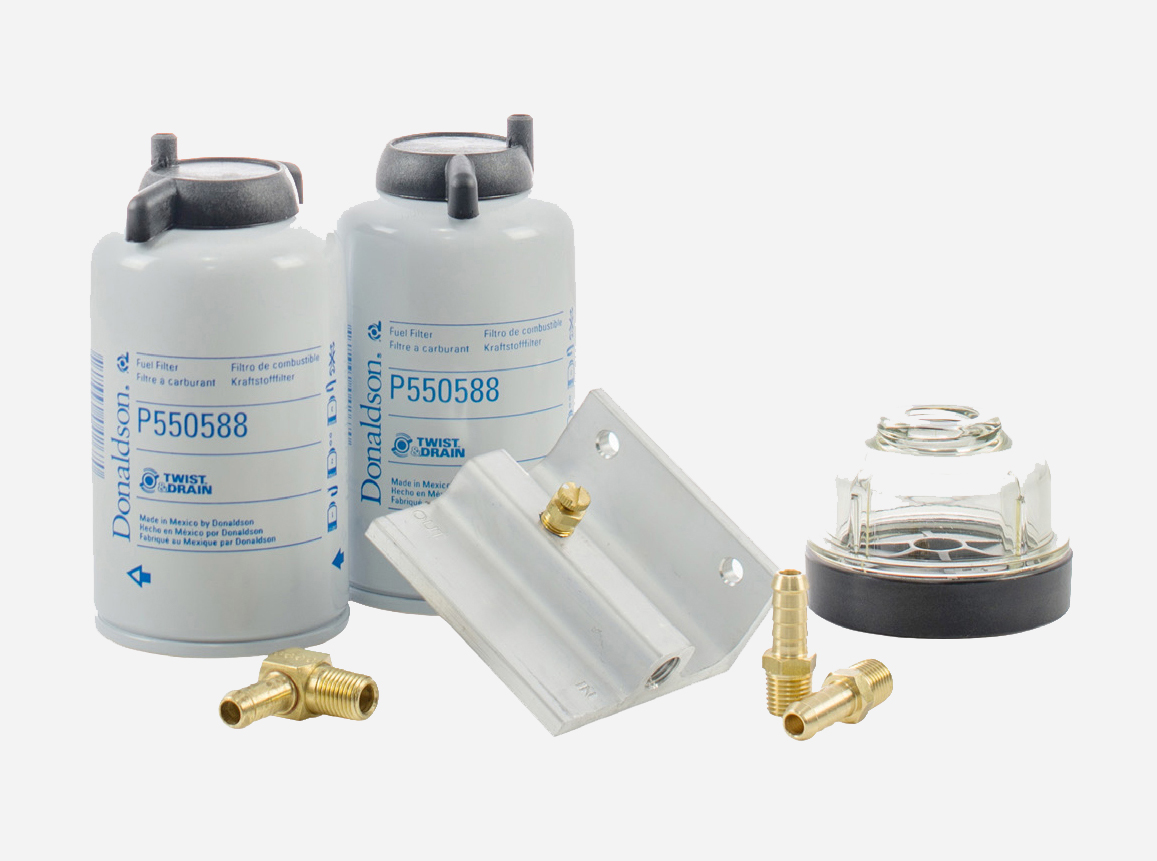
Q: Do I really need extra fuel filtration?
A: If you only fuel from high-turnover, reputable metropolitan sites, probably not. If you drive in remote regions where fuel cleanliness is questionable, additional filtration is a smart investment. Best practice is to securely carry one or more spare elements.
Q: What else should I consider when adding a filter?
A: Some vehicles benefit from an inline fuel pump to boost fuel flow. Make sure to:
- Choose a high-quality pump for a longer service life
- Ensure the additional filter supports your engine’s fuel flow needs
- Avoid sharp bends in fuel lines
- Keep lines clear of hot exhaust components
- Use fuel-proof thread sealant for fittings
- Check that all connections are tight and leak-free
Air leaks in vacuum systems can cause engine misfires and hard starts.
Q: I’ve used the same fuelling practices for years without issues—why change now?
A: That depends on your vehicle:
- Older vehicles (pre-common rail) are more tolerant to contamination and may continue to perform with your current practices.
- Modern vehicles with High-Pressure Common Rail (HPCR) fuel injection systems are much more sensitive than their predecessors. Cleaner fuel handling is essential.
Q: What changed in diesel fuel to create these new risks?
A: Aside from lower sulphur levels, fuel standards haven’t evolved much in recent years. But:
- Modern engines require far cleaner fuel
- Outdated fuel infrastructure and improper handling introduce contaminants
- The result? More engine issues and shorter component life
Q: Why are fuel systems on newer vehicles different?
A: Stricter emissions regulations led engine manufacturers to embrace new technologies, including the High-Pressure Common Rail (HPCR) fuel injection system. These systems offer performance and environmental advantages but are less tolerant to contamination.
Q: What are the benefits of HPCR systems?
A: HPCR technology offers:
- Lower emissions
- Better fuel economy
- More power
- Reduced engine noise
Q: Do HPCR systems need cleaner fuel than older engines?
A: Absolutely. The high operating pressures make these systems much more vulnerable to damage. Key points:
- Even tiny particles in the size range between bacteria and red blood cells (2-8 microns) can cause wear
- Hard particles result in hard-to-start faults, rough idling, power loss, poor fuel economy and expensive component failures
- Fuel contamination failures may not be covered by warranty
- Unchecked wear can result in injector, fuel pump or even engine failure
Q: What types of contaminants are most dangerous?
A: The smallest particles cause the most harm.
The Bottom Line:
If you're operating modern diesel equipment, upgrading your filtration and handling fuel with due care will help protect your investment and avoid expensive repairs.