
Do Not Change your Air Filter too Soon
Looks can be very deceiving, especially when it comes to servicing your engine’s air filter. Many people assume that because a filter looks dirty, it is due for replacement, fortunately, that’s not always the case.
The truth is, a loaded air filter can actually protect your engine better than a brand-new one.
Why Dirty Filters Perform Better—Up to a Point
Traditional cellulose air filters improve efficiency as the porous media captures contamination.
- As more dirt builds up, the trapped particles help to catch even finer dust.
- Over time, this creates a more efficient barrier.
- ·Donaldson filters reach peak efficiency faster than many competitors without compromising service life.
But there is a limit. Once the filter becomes too loaded, the vacuum between the filter and engine increases (referred to as restriction), meaning it’s time for an air element change.

How to Know When to Change an Air Filter?
Forget visual inspections; removing a filter from its housing for inspection can do more harm than good. The only accurate means of knowing when to replace your air filter is to measure and monitor intake system restriction.
You can do this with:
- Water Manometers
- Dial Gauges are active and show a live restriction
- Restriction Indicators go/stop and signal when a preset limit is reached
- Graduated restriction indicators, sticky that indicate the highest restriction reached
- Electronic switch for connection to a light alarm or buzzer
- A combination of graduated indicators and an electronic switch
- Integrated with OEM Engine Management System, these can include dial gauges, warning lights and alarms.
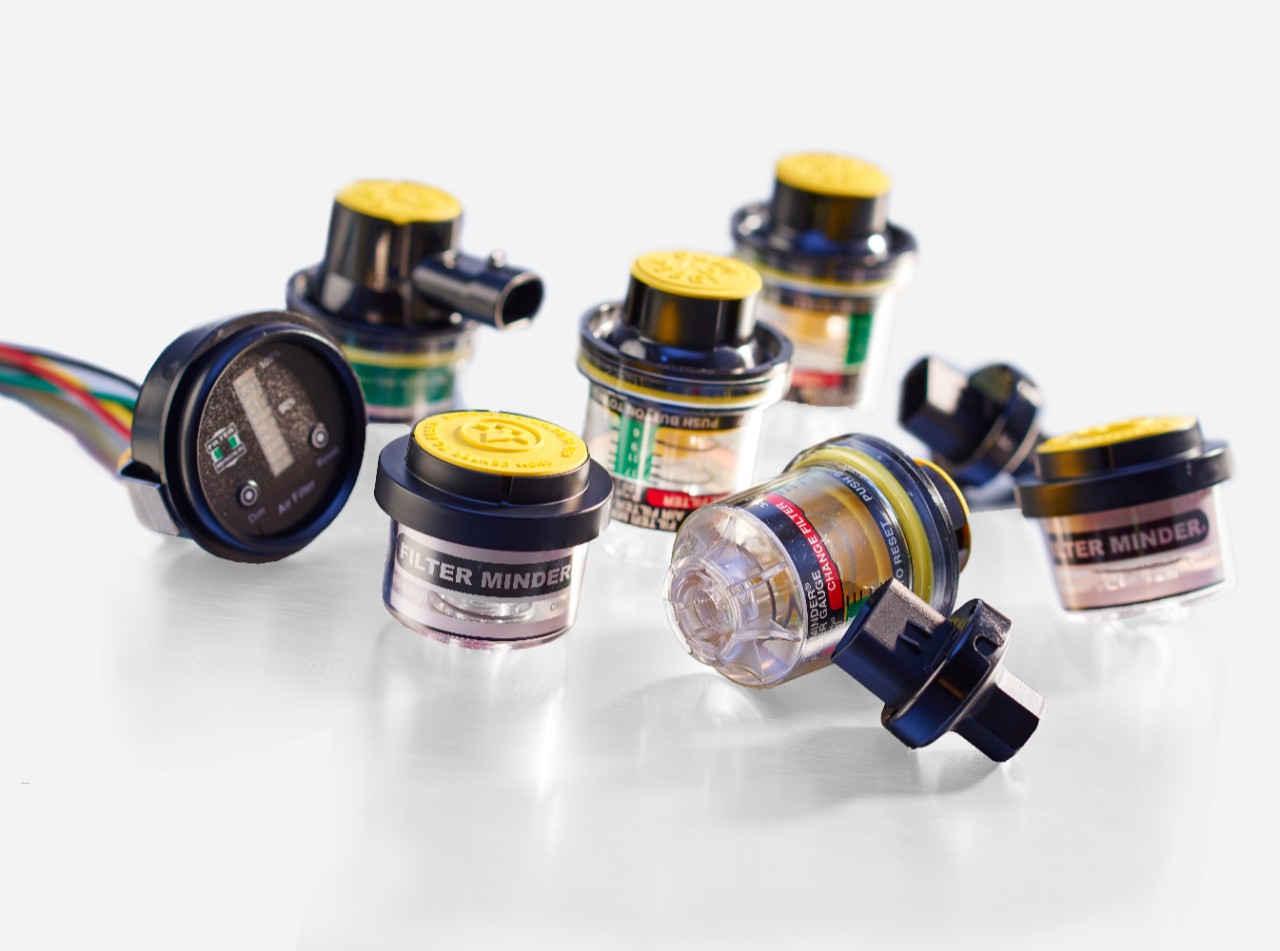
Using these tools removes the guesswork, ensuring you’re maximising air filter service intervals while providing your engine with the best possible protection.
The Problem with Over-Servicing
Filters are not expensive, and often it's considered as cheap insurance or the safest bet to run new filters, but this practice can do more harm than good. Here’s why:
- It prevents the filter from reaching peak efficiency
- Each time the housing is opened, and the element removed, there’s risk of allowing contamination into the clean air outlet.
- You increase the chance of improper installation.
Servicing by engine hours, mileage, or visual checks isn’t recommended. Rather, monitor and be guided by restriction levels.
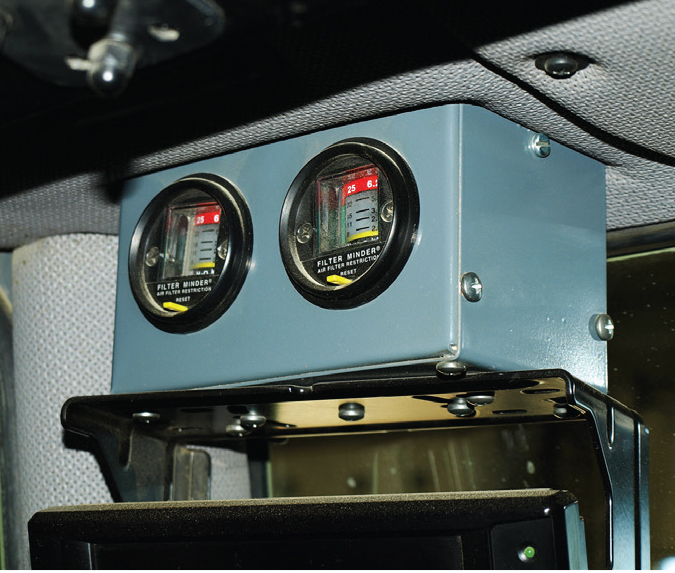
What Works Best for your Site?
Your approach may vary by industry and severity of the operating environment.
It may be convenient for agricultural or construction equipment to run air filters at maximum restriction and conduct a changeout. This approach may not suit long-haul transport operators or mine site maintenance planners, where it can be more effective to conduct trials by restriction and rewrite service intervals with an amount of safety factored in.
Best Practices for Measuring Airflow Restriction
- Use a Water Manometer or Dial Gauge during routine maintenance to monitor restriction levels; note that restriction at operating rpm will not equal full load restriction.
- For a quick check, use a resettable Restriction Indicator—either a simple "go/no-go" model or one with a graduated scale.
- Do not exceed the engine manufacturer’s recommendations for the maximum allowable restriction level.
Bottom Line
To get the best performance from your air filter and your engine, measure and monitor airflow restriction, don’t guess. You’ll extend filter life, maximise engine life and reduce unnecessary maintenance.