
Today’s hydraulic equipment is faster, more efficient, and more productive than ever. But while these advancements are impressive, they also come with a hidden challenge—greater sensitivity to contamination.
If you assume that newer equipment can run longer without maintenance, think again. Without proper filtration and upkeep, productivity can quietly decline before you even notice.
Why Is Newer Equipment More Prone to Contamination?
Hydraulic systems operate by using a flexible medium or fluid to perform work. This strength can also be their weakness.
Here's why:
- Advanced systems use high pressure to maximise speed and performance.
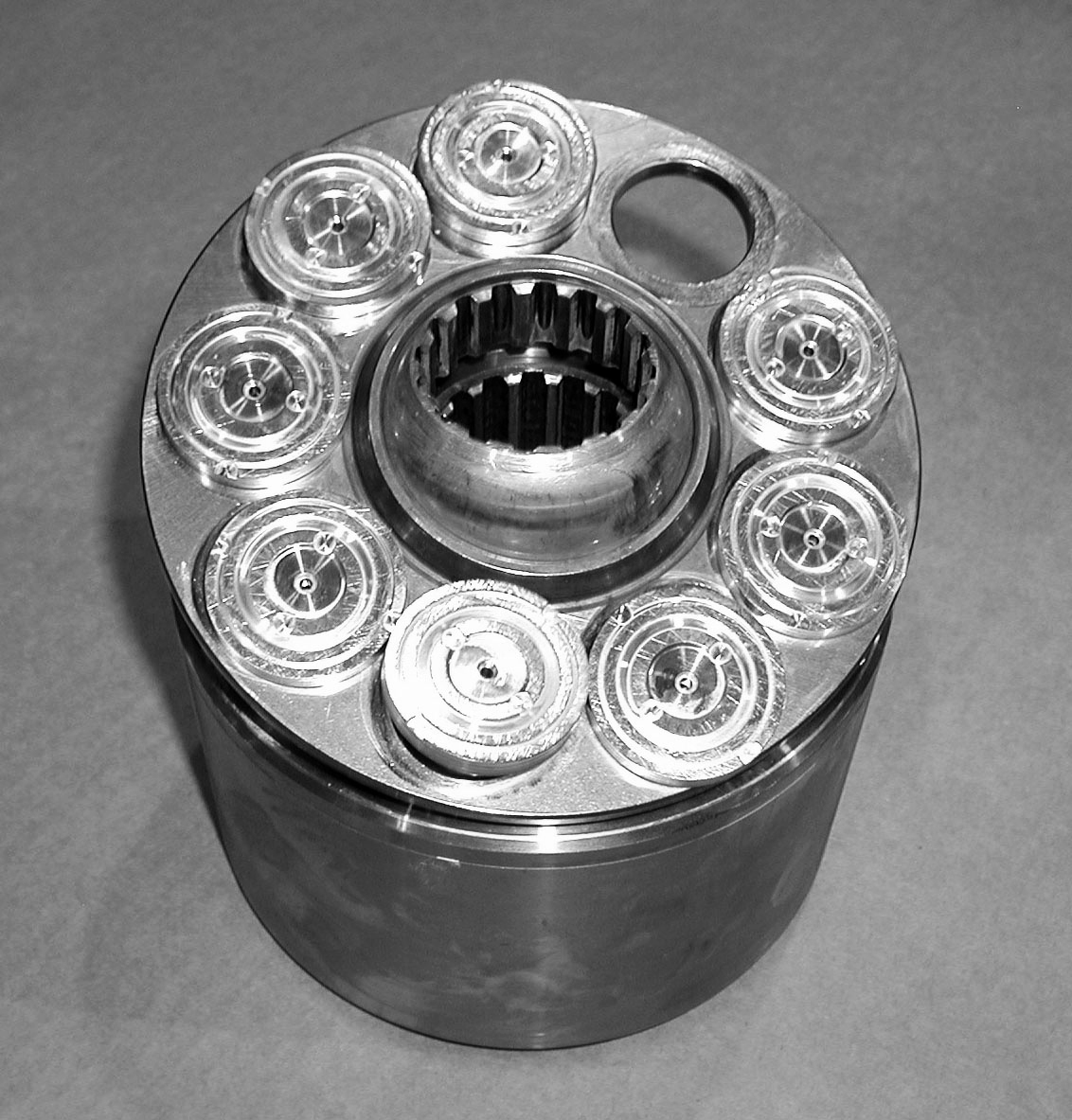
- Components are engineered with performance-enhancing tight tolerances.
- High-pressures and tight tolerances combine to require super clean fluids, even the smallest particles may be crippling and end in expensive repairs.
Common Sources of Contamination
Even when hydraulic fluid looks clean, it can contain particles not visible to the naked eye that are harmful to your system.
Typical contaminants include:
- Fibers from cleaning cloths or paper
- Metal particles from internal wear
- Seal fragments from degrading components
- Rust caused by moisture or age
- Dust or dirt entering through vents
- Absorbed air, leading to foaming
- Water from leaks or humid air
Modern Components, Higher Risks
Today’s hydraulic components, such as pumps, motors and valves, do not tolerate the contamination levels that older systems once handled. Even small amounts of dirt can cause premature wear or, if left unchecked, complete system failure.
Filtration is your First Line of Defence
Proper filtration is essential to protecting hydraulic systems from contamination. Choosing the right filter can significantly extend equipment life and maintain peak performance.
At Donaldson, we invest heavily in research and development to engineer advanced filtration technologies. With a wide range of media and pressure options, we have a solution for nearly every hydraulic application.
New Fluid Doesn’t Always Mean Clean Fluid
It might surprise you, but even brand-new hydraulic fluid can be contaminated:
- Transfer processes can introduce debris
- Open-air vents and plumbing connections allow particle ingress
- Extended storage in poor conditions may result in moisture issues and fluid oxidation
Best practices for fluid storage:
- Keep storage vessels sealed, covered and protected with breathers
- Inspect all potential sources of contamination ingress
- Avoid extreme heat or locations with excessive thermal cycling
A Smarter Approach to Maintenance
While newer equipment is more sensitive, its performance benefits outweigh the cost of contamination control. Protect your investment by:
- Choosing high-quality hydraulic fluid
- Using premium filters
- Implementing a rigorous contamination control plan
A small upfront investment in filtration and maintenance can save thousands in repairs and downtime. If you're unsure where to start, a Donaldson expert can help tailor the right solution for your needs.