
Why Biomethane from Scrubbers Contains High Humidity
Upgrading technologies such as amine treatment and water scrubbing are widely used to remove CO₂ and other impurities from biogas. In both processes, methane is brought into direct contact with liquid phases, resulting in efficient gas purification.
As a consequence, the upgraded gas exits the system saturated with water vapor, typically at equilibrium with process conditions, meaning it contains the maximum amount of water vapor possible at that temperature and pressure. This high humidity is an inherent characteristic of scrubber-based upgrading and must be addressed before further processing, transport, or grid injection.
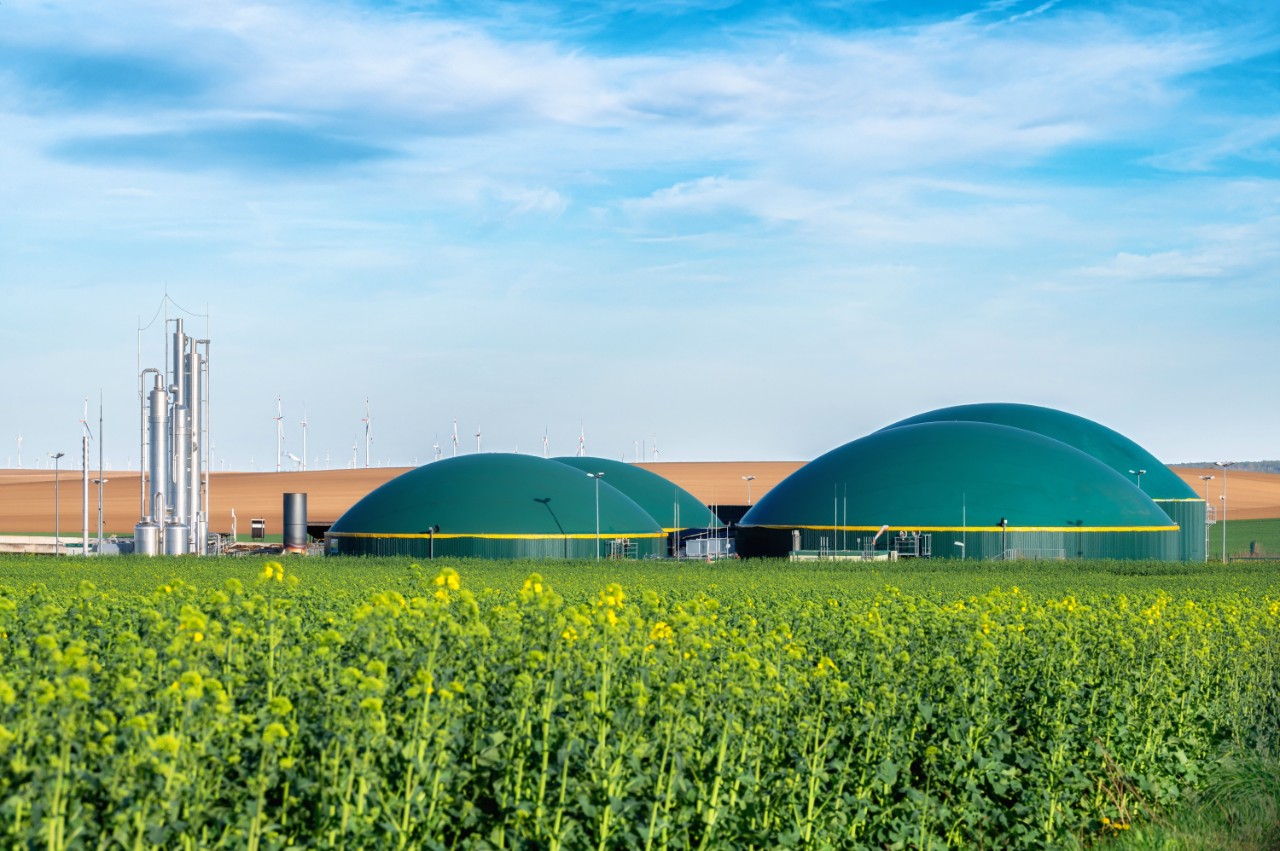
Why Is Drying Required in Biomethane Production?
Excess moisture in biomethane can create several technical and operational challenges. When pressure or temperature conditions change, water vapor may condense and form liquid water within the system. This can lead to corrosion in pipelines and equipment, as well as disruptions in downstream processes. In addition, elevated moisture levels can result in non-compliance with grid injection specifications, which typically define maximum allowable water content depending on local regulations and network operators. Typically, the target residual moisture level is around 20 mg/Nm³.
Effective moisture control is therefore essential to support safe handling, protect infrastructure, and maintain consistent gas quality throughout the value chain.
Biomethane Drying: Desiccant Systems and Dew Point Requirements
Desiccant drying is a widely used method to reduce water vapor content in upgraded biomethane streams, enabling reliable operation under varying process conditions, including applications at very low overpressure following amine scrubbing or downstream of pressurized water scrubbing systems. These systems can achieve pressure dew points down to approximately –50 °C / –60 °F, depending on system design and operating conditions without any gas losses. Reaching such low dew points helps prevent condensation during compression, transport, and pressure reduction, while maintaining sufficiently low moisture levels supports the protection of pipelines and equipment and contributes to meeting typical biomethane quality specifications, which vary depending on local standards and grid operator requirements.
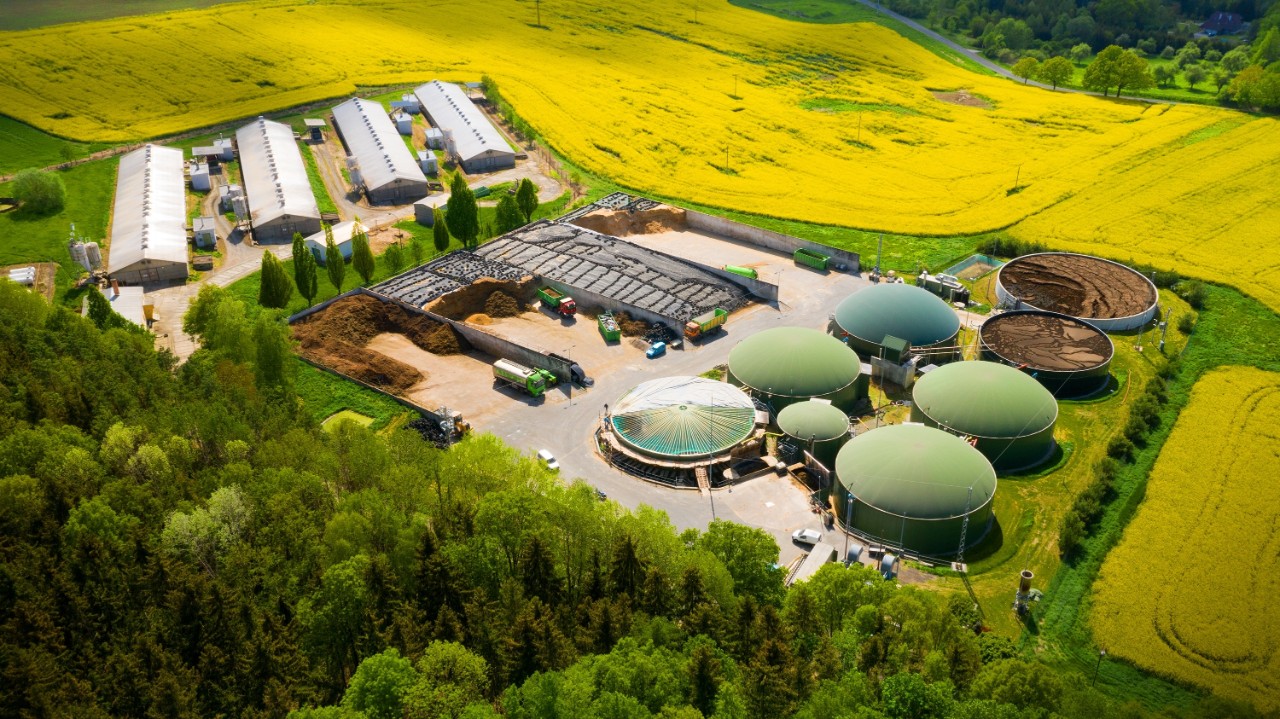
Supporting Reliable Drying Performance
Reliable dryer performance depends not only on the drying technology itself but also on the condition of the gas entering the system. Upstream filtration is typically applied to remove particulates and residual oil aerosols that may originate from compression stages or upstream processes.
This combination of filtration and drying helps maintain stable operation, supports predictable performance, and helps reduce the risk of downstream issues.
Donaldson’s filtration and drying solutions for biomethane applications are designed to handle varying operating conditions while supporting consistent gas quality.
Stable Biomethane Through Moisture Control
Managing humidity is a critical step following amine and water scrubbing processes. By integrating effective drying with appropriate filtration, operators can help:
meet regulatory requirements (depending on local standards)
prevent condensation-related issues
protect infrastructure and downstream equipment
support stable and reliable system operation
Effective moisture control helps to ensure that upgraded biomethane can be safely transported, injected, or used as a high-quality renewable energy source.