
Data centers are evolving rapidly. AI, high-performance computing, and cloud expansion are driving higher thermal loads and increasing demand for efficient data center cooling systems.
As direct-to-chip (D2C) liquid cooling adoption grows, coolant quality is becoming an increasingly important consideration for system reliability and performance.
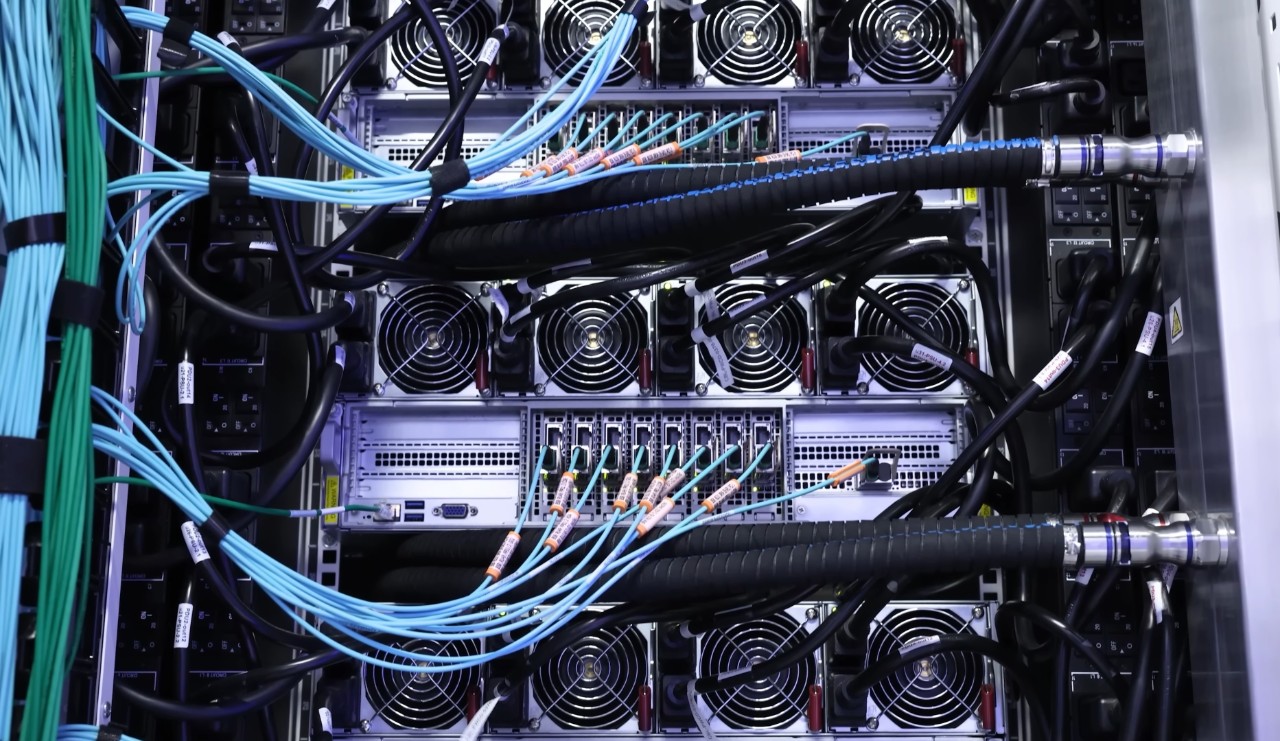
Coolant Quality Directly Impacts Performance
In liquid cooling systems, coolant flows through tightly engineered components such as cold plates and microchannels. These designs improve efficiency but leave little tolerance for contamination.
Particulate matter can:
- Restrict flow paths causing increased energy use and potentially increased costs
- Reduce heat transfer effectiveness
- Accelerate system wear
Because of this, coolant quality is directly tied to thermal performance and system operating costs.
Traditional Filtration Is Not Enough
Conventional filtration methods like general purpose strainers or bags, were not designed for the precision required in modern CDU (coolant distribution unit) and TCS (technology cooling system) applications.
Typical limitations include:
- Inconsistent filtration performance
- Limited capture of fine particles
- Poor fit within compact system designs
These gaps can create risk in environments where high-efficiency liquid cooling filtration is essential.
Purpose-Built Filtration for Liquid Cooling
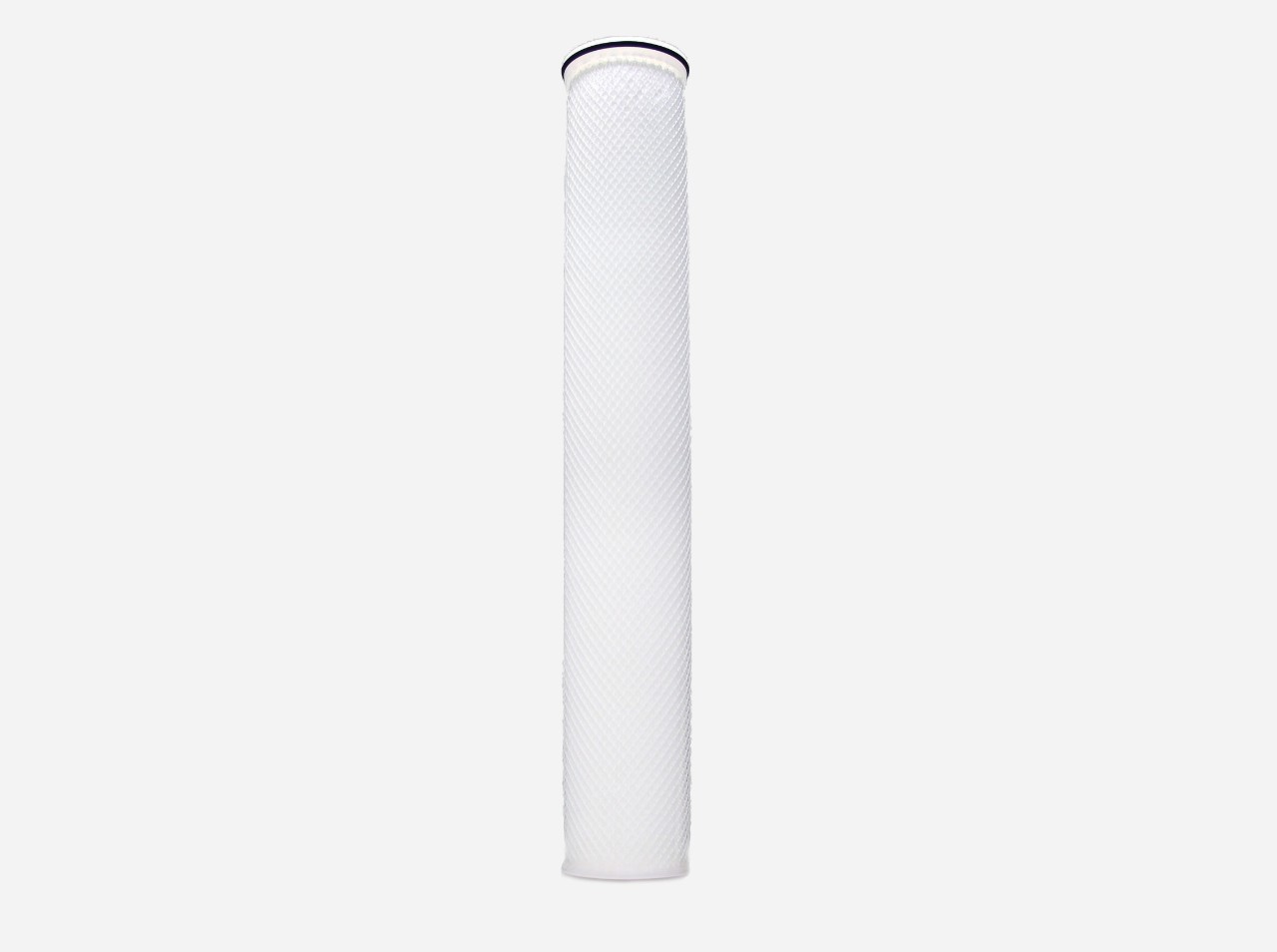
Donaldson’s PP100 HF high-flow pleated filter element is designed specifically for these requirements.
It supports system performance by:
- Capturing fine particulate matter
- Handling high flow rates at very low pressure drop
- Extending service life through higher dirt-holding capacity
This approach aligns filtration performance directly with the needs of liquid cooling loops, rather than adapting general-purpose solutions.
Compact Systems Enable Scalable Deployment
Data center infrastructure must scale efficiently without adding complexity.
The filtration solution is delivered as a skid-based system, designed to:
- Integrate into CDU and TCS architectures
- Simplify installation
- Support modular expansion
This configuration enables consistent deployment across facilities while maintaining a compact footprint.
Liquid Cooling Requires Stable Operating Conditions
As liquid cooling adoption grows, system reliability depends on maintaining stable operating conditions throughout the cooling loop.
Filtration supports this by:
- Removing contaminants from coolant
- Helping maintain consistent flow characteristics
- Reducing risk of unexpected system disruption
Application-Driven Design Approach
Each data center has unique cooling requirements based on workload and architecture. Donaldson provides repeatable, scalable plug-and-play solutions that accelerate deployment and reduce complexity, while also offering custom-engineered solutions to address specific application and infrastructure requirements.
Donaldson works with customers to:
- Align filtration with system design
- Address application-specific cooling needs
- Support integration into existing infrastructure
- Scale proven solutions across deployments
- Customize solutions for unique operational requirements
The Role of Filtration Moving Forward
Maintaining fluid cleanliness is fundamental to liquid cooling system performance. Donaldson's filtration solutions help manage contamination, protect critical cooling components, and support thermal system reliability. As data center power densities continue to increase, effective filtration can play an important role in maintaining cooling system performance and supporting infrastructure availability.