
Key Takeaways
- Contamination is a major contributor to unplanned downtime, equipment wear, and inconsistent production in metalworking operations.
- Airborne coolant and oil mist can affect sensors, electrical panels, and nearby equipment, increasing maintenance demands and reducing machine reliability.
- Hydraulic fluid contamination accelerates component wear and can lead to unstable system performance and repeat failures.
- A comprehensive contamination control strategy combines mist collection, fluid cleanliness monitoring, and effective filtration to support more predictable equipment performance.
- By addressing both airborne and hydraulic contamination, metalworking plants can improve uptime, reduce maintenance costs, and increase production consistency.
Why Is Contamination a Reliability Challenge in Metalworking Operations?
In metalworking operations, contamination is not just a maintenance issue, it is a persistent factor that can contribute to unplanned downtime, reduced equipment life, and inconsistent production performance. For plant managers, the impact is often seen in lost throughput, rising maintenance costs, and less predictable machine behavior. Contamination control represents anopportunity to help customers address ongoing reliability challenges with solutions that support measurable operational improvements.
How Does Airborne Mist Affect Equipment Performance and Reliability?
High-speed machining processes, including milling, turning, and grinding, generate fine coolant and oil mist as a byproduct of cutting and material removal. These airborne particles typically range from approximately 0.02 to 10 microns, allowing them to remain suspended in the air and migrate beyond machine enclosures.
Once dispersed, mist can settle on sensors, electrical panels, and nearby machinery, gradually affecting equipment performance. What is often considered a housekeeping or air quality issue can evolve into a reliability concern, as buildup on sensitive components may interfere with signal accuracy, contribute to intermittent faults, and increase maintenance demands. Over time, this can make machine behavior less predictable and troubleshooting more complex.
Why Is Hydraulic Fluid Cleanliness Critical for Machine Reliability?
While airborne contamination affects the external environment, internal contamination within hydraulic systems presents an equally significant reliability risk. Hydraulic components rely on clean fluid to maintain lubrication and proper function. Even small amounts of particulate contamination can accelerate wear, reduce efficiency, and contribute to system instability.
As contamination accumulates, systems may begin to exhibit inconsistent response, pressure variability, and recurring component issues. These effects are often subtle at first but can compound over time, ultimately leading to shortened component life and increased maintenance frequency. Because of this, fluid cleanliness is seen as a foundational element of reliability-focused maintenance programs.
How Can ISO 4406 Help Measure and Control Fluid Contamination?
Monitoring and controlling contamination levels requires a measurable approach. ISO 4406 provides a standardized method for classifying fluid cleanliness, allowing organizations to track trends and evaluate filtration performance. When supported by effective filtration technologies that maintain efficiency under real-world conditions, maintaining target cleanliness levels can help stabilize system performance and reduce the likelihood of repeat failures.
What Does an Effective Contamination Control Strategy Include?
Improving reliability in metalworking environments requires a balanced approach that addresses both airborne and fluid contamination.
A structured contamination control strategy typically includes:
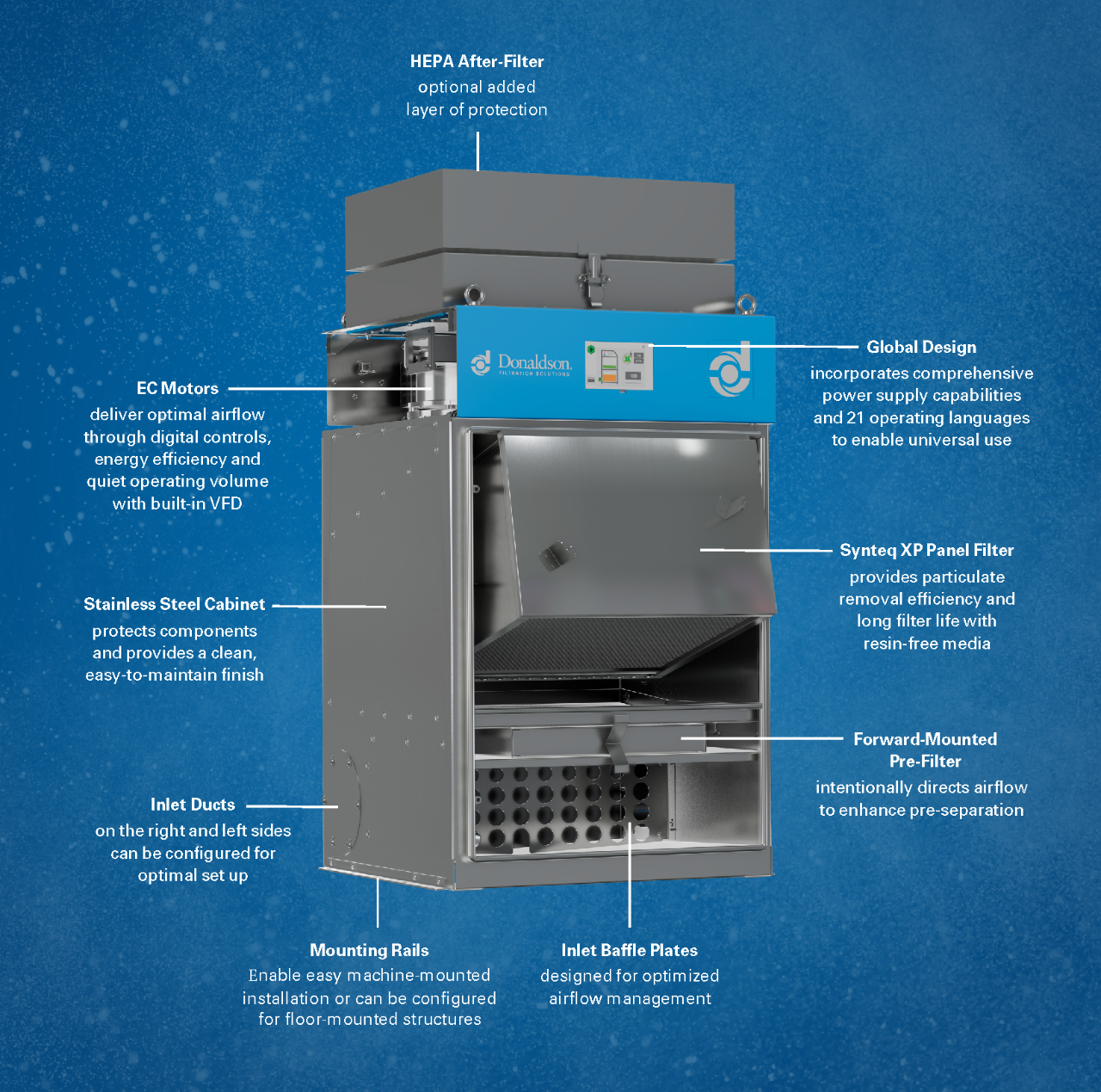
- Capturing airborne mist at or near the source through properly designed systems
- Monitoring hydraulic fluid cleanliness using oil analysis and ISO standards
- Filtering new and in-service fluids to maintain target cleanliness levels
In addition to these core elements, organizations often strengthen outcomes by integrating system monitoring capabilities, such as pressure indicators or performance tracking, to enable filtration systems to continue operating as intended. This combination of design discipline and ongoing monitoring helps maintain stable operating conditions and supports more predictable maintenance planning.
How Can Contamination Control Support More Predictable Equipment Performance?
By applying engineered mist collection strategies alongside robust hydraulic cleanliness practices, facilities can reduce variability in equipment behavior, minimize contamination-related maintenance, and improve overall production consistency. For plant managers, it provides a pathway toward more stable, efficient, and predictable operations.
Looking to better understand your contamination risks?
Connect with a filtration specialist to evaluate your current environment and identify opportunities to address cleanliness, support reliability goals, and address potential downtime impacts.