
Helping maintain stable processes by managing contamination risks in compressed air systems
In electronics assembly and SMT manufacturing, maintaining consistent yield and process stability is a core objective. Compressed air supports a range of critical functions, including pneumatic actuation, component handling, dispensing, and cleaning. When air quality varies, it may introduce an additional source of process variation that is not always immediately visible.
Compressed air quality is commonly referenced using ISO 8573-1, which classifies air according to particle concentration, moisture content (pressure dew point), and total oil content. In electronics manufacturing, this framework is often used to define air quality levels aligned with process sensitivity and acceptable risk.
Where Compressed Air Interacts With Your Process
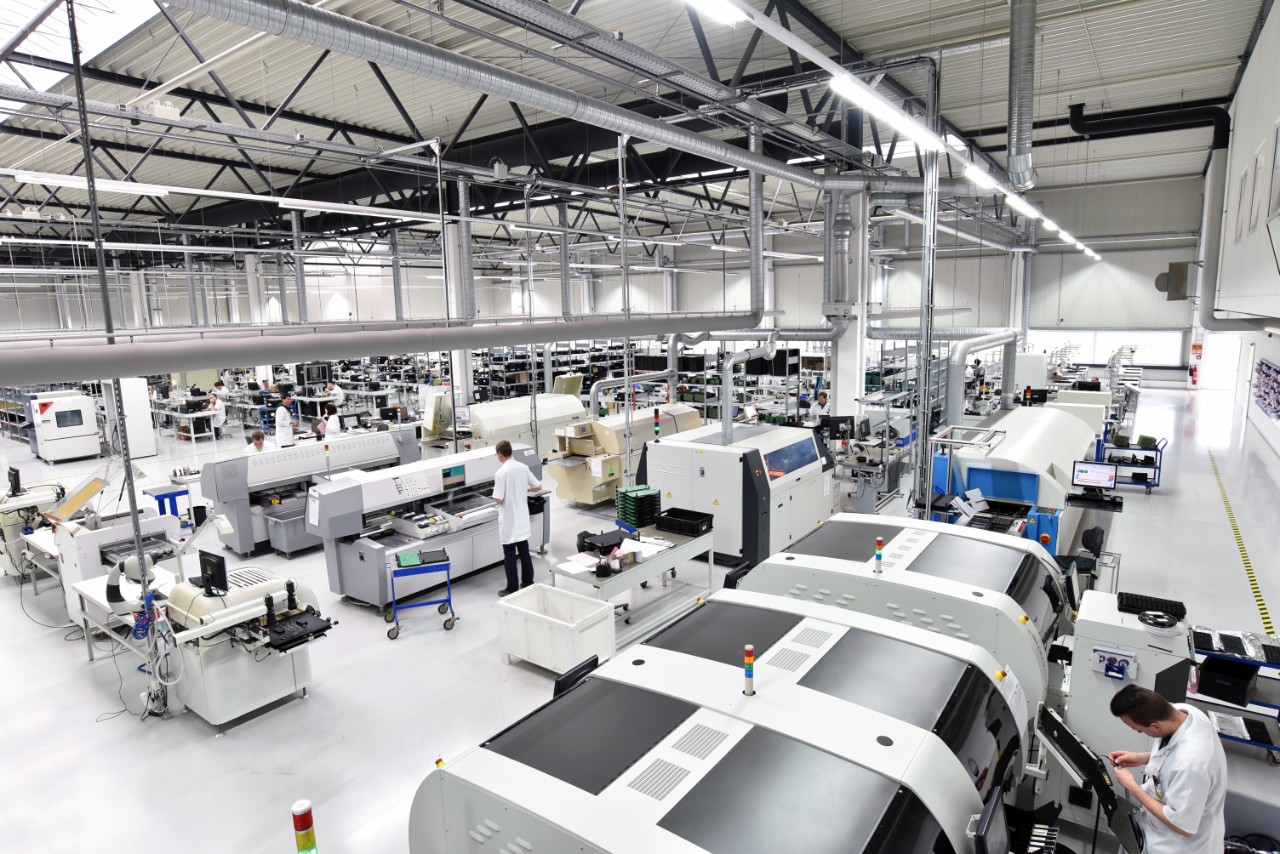
Compressed air is present across multiple stages of electronics assembly where repeatability and precision are important. It directly or indirectly influences how equipment operates and how consistently processes perform.
Typical applications include:
- Pick-and-place systems and feeders
- Pneumatic conveyors and handling equipment
- Adhesive, flux, or coating dispensing
- Cleaning and drying of assemblies
In these areas, stable pneumatic performance and consistent air quality support repeatable operation. Variations in air quality may influence actuation behavior, dispensing consistency, or cleaning effectiveness over time.
Understanding Contamination Risks
Contamination in compressed air systems can originate from intake air, the compression process, or the distribution network. The most common forms are particles, oil, and moisture.
- Particles may result from ambient air, compressor wear, or pipe corrosion
- Oil aerosols and vapors can originate from lubrication systems or residual hydrocarbons
- Moisture is introduced through humidity and condensation during compression and cooling
As compressed air travels through piping, storage, and distribution systems, its condition can change. The air quality at the point of use may therefore differ from upstream measurements due to recontamination, pressure changes, or condensate formation within the system.
How Air Quality Can Influence Yield
When process performance deviates from expected conditions, root causes are often multifactorial. Compressed air quality is one of several variables that may contribute to changes in process repeatability, pneumatic system performance, and yield stability.
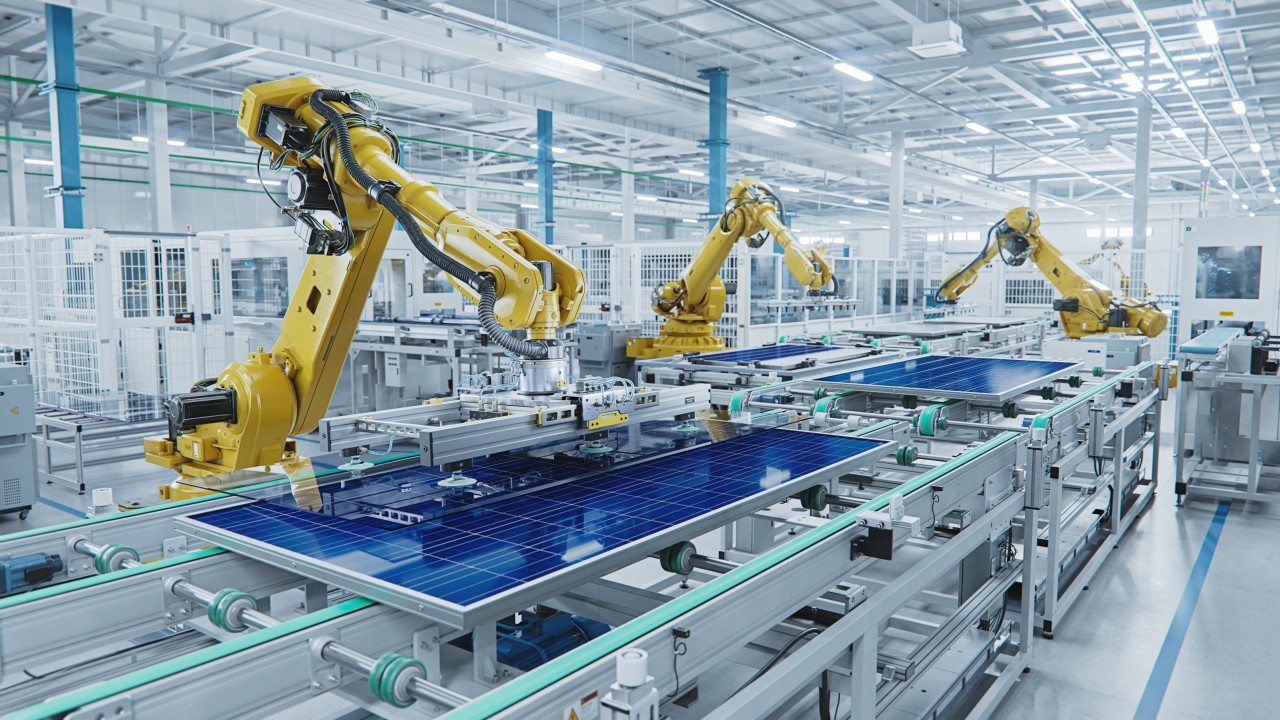
In pneumatic systems, contamination may affect valve function, actuator response, and long-term reliability. This can influence positioning accuracy, timing consistency, and overall equipment performance.
In applications where compressed air comes into contact with assemblies, such as cleaning or drying, airborne contaminants may introduce residues that are not always visible and may influence downstream processes under certain conditions. This can be relevant in operations that rely on controlled surface properties, including coating, bonding, and precision dispensing.
While compressed air is rarely the sole driver of yield variation, it is often considered when evaluating process drift, defect trends, or repeatability issues in electronics assembly.
Approaches to Managing Air Quality
Maintaining consistent compressed air quality typically involves controlling contamination at multiple stages of the system, from generation to point of use. The required level of treatment is generally defined by application sensitivity and risk considerations, often in reference to ISO 8573-1 classifications.
A structured approach may include:
- Removal of bulk particles and condensate early in the system
- Reduction of oil aerosols through coalescing filtration
- Moisture control using appropriate drying technologies
- Adsorption stages (e.g. activated carbon) to reduce residual oil vapors
- Final filtration close to sensitive equipment
Because contamination can be introduced throughout the system, both central treatment and point-of-use filtration are often applied. Monitoring and maintenance practices are also important, as system performance can change over time.
With established knowledge of filtration, Donaldson supports manufacturers in managing contamination risks in compressed air and gas systems used in electronics assembly.
Supportining Stable Assembly Operations
Compressed air quality is one of several infrastructure factors that support stable electronics assembly and SMT manufacturing. Alongside equipment capability, material control, and environmental conditions, it contributes to maintaining repeatable processes.
By managing contamination through appropriate system design and maintenance, manufacturers can reduce one potential source of process variation and performance drift, supporting more consistent production outcomes.

FAQ: Compressed Air Quality in Electronics Assembly
What compressed air quality is typically required for electronics assembly?
Requirements vary depending on the application and equipment sensitivity. Many manufacturers use ISO 8573-1 as a general reference to define acceptable levels of particles, moisture, and oil, with specific classes determined by process needs and risk considerations.
Can compressed air quality impact SMT and assembly yield?
Compressed air quality is one of several factors that may influence yield. Contaminants such as particles, oil, or moisture can contribute to variation in pneumatic system performance or surface conditions, which may affect process repeatability under certain conditions.
Where should compressed air be filtered in electronics manufacturing?
Compressed air is typically treated at multiple stages, including central filtration and drying, with point-of-use filtration often applied near sensitive equipment to manage contamination introduced in the distribution system.
How can compressed air contamination be identified?
Contamination is not always visible. It may be considered when investigating unexplained changes in process repeatability, equipment performance, or defect trends. Monitoring air quality parameters and reviewing system conditions are common steps in this process.