
Key Takeaways
- Mist collection systems capture airborne oil mist, coolant droplets, and fine particulates to help maintain cleaner air, protect equipment, and support operational goals.
- Effective mist collection depends on more than filter media. Proper hood placement, capture velocity, airflow, and system sizing are critical to preventing mist from escaping.
- Multi-stage filtration combines pre-filters, coalescing filters, and high-efficiency final filters to remove contaminants while maintaining system performance.
- Correctly sizing a mist collection system using capture velocity, enclosure air changes, or process-specific airflow requirements helps improve containment and energy efficiency.
- Whether using machine-mounted or centralized systems, selecting the right configuration and applying sound design principles can improve reliability, reduce maintenance, and support long-term operational performance.
Industrial mist collectors play a critical role in supporting clean air and improving operational efficiency in manufacturing environments. From CNC machining to food processing, these systems help control airborne oil mist, coolant droplets, and fine particulates generated during production.
Leading manufacturers may rely on mist collection technologies, such as those from Donaldson, to help them address their performance and compliance goals across a wide range of applications.
What Do Mist Collectors Do?
Mist collectors are air filtration systems designed to capture and remove airborne liquid droplets, commonly referred to as oil mist or coolant mist, generated during industrial processes.
Which Industries Use Mist Collection Systems?
Mist collection is essential across industries where airborne liquids impact productivity.
- CNC Machining and Metalworking
- Automotive and Aerospace Manufacturing
- Food Processing and Packaging
- General Manufacturing
How Do Mist Collection Systems Work?
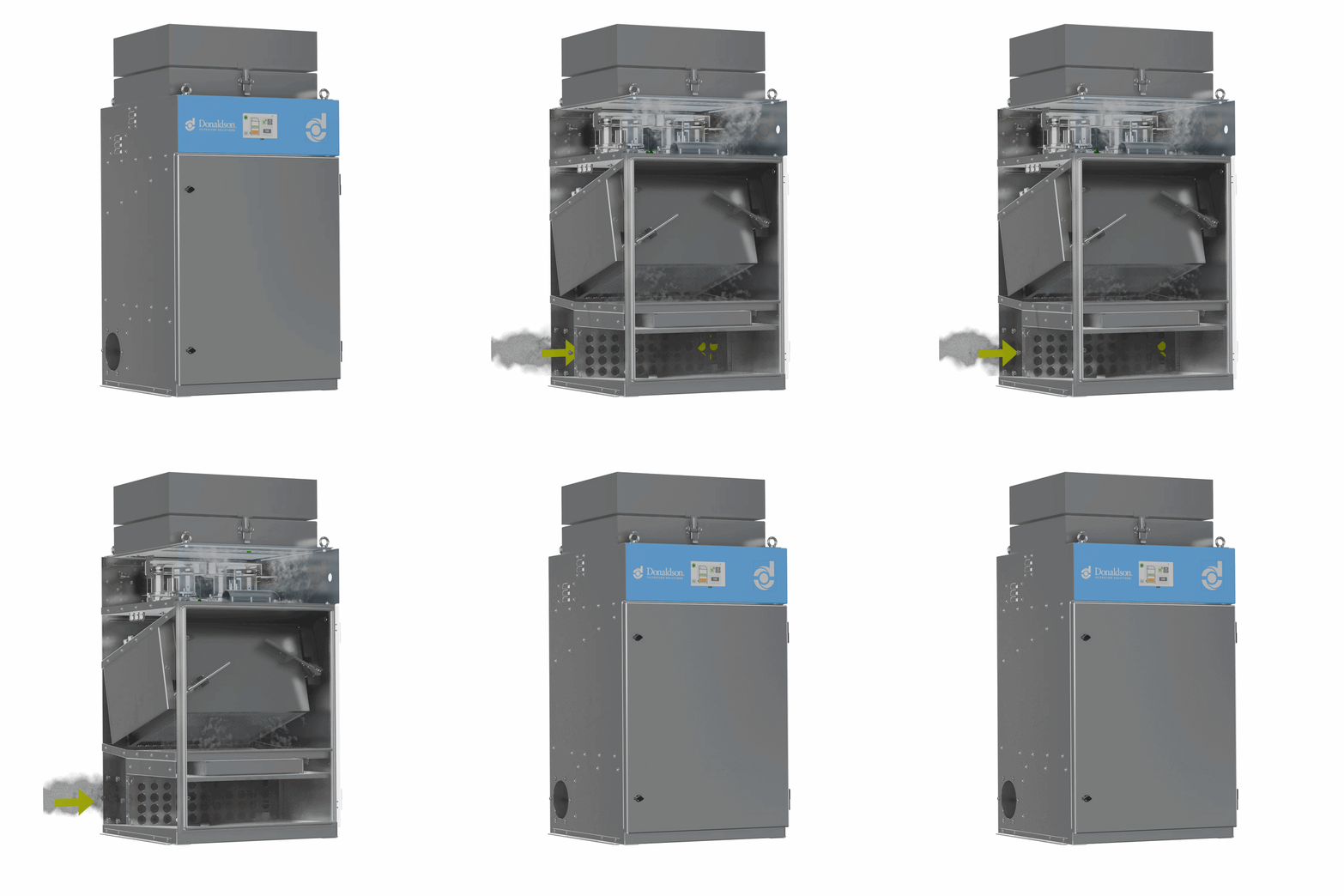
Most systems, like those in the Donaldson portfolio, use multi-stage filtration, which may include:
- Pre-filtration for larger droplets
- Coalescing filters to combine fine mist particles
- High-efficiency final filters for submicron capture
This staged approach helps support high filtration efficiency while supporting airflow and system performance.
Why Is Mist Collection System Design Important?
While filtration media is important, the effectiveness of a mist collection system depends just as much on how the system is designed and applied.
A key takeaway from mist collection system design is that how contamination is captured matters as much as whether it is captured at all. Effective systems are designed to control contaminants at the point of generation, using properly positioned hoods and sufficient capture velocity, typically ranging from 50 to 500 feet per minute depending on the application.
Equally important is maintaining negative pressure within machine enclosures and ensuring airflow is correctly sized for the process. When these design principles are applied, mist is less likely to escape into the surrounding environment, and systems are better able to handle modern machining conditions that produce finer particles at higher speeds. In practice, well-designed systems should deliver clean equipment surfaces, few nuisance maintenance issues, and consistent machine operation.
How Is a Mist Collection System Sized?
Beyond capture fundamentals, correctly sizing mist collection systems is a critical factor in achieving consistent containment and performance. Undersized systems can allow mist to escape, while oversized systems may introduce unnecessary energy costs and inefficiencies. Industry practice typically relies on three primary sizing approaches, each suited to different machining environments and operating conditions.
These methods include:
- Open door/capture velocity method, which calculates airflow based on maintaining sufficient inward velocity at machine openings to prevent mist escape
- Air changes (ACH)/enclosure volume method, which determines airflow based on the number of air exchanges required within the machine enclosure
- CFM per machine/process-based method, which applies standardized airflow requirements based on machine type, coolant use, and process intensity
In many operations, these approaches are often used together to validate system sizing and support performance across varying operating conditions. When paired with proper hood design, duct velocity, and airflow balance, these sizing methods help maintain negative pressure within enclosures and enable mist to be captured before it can impact the surrounding environment.
How Do Airflow and Ductwork Affect Mist Collection Performance?
One critical design factor is maintaining adequate transport velocity within ductwork, typically at least 2,000 to 3,000 feet per minute for wet machining applications, to prevent accumulation of contaminants and ensure efficient system operation. System configuration also plays a role, with options ranging from single-machine systems to centralized collection strategies, each offering different tradeoffs in flexibility, cost, and maintenance complexity.
Should You Choose a Machine-Mounted or Centralized Mist Collection System?
Choosing the right mist collector depends on your application and operational goals.
Donaldson offers a range of mist collection technologies to meet different application needs.
Machine-Mounted Systems
- Installed directly on equipment
- Capture mist at the source
- Donaldson units are designed to be compact and easily interate into CNC operations
Centralized Systems
- Serve multiple machines
- Ideal for larger facilities
- Designed for efficient airflow management and scalability
Advanced Filtration Systems
- Multi-stage filtration for fine particles
- High-efficiency performance
- Designed to balance filtration effectiveness with energy efficiency
Whether you're evaluating a new installation, upgrading existing equipment, or looking to improve air quality and operational efficiency, choosing the right mist collection solution is critical. Explore Donaldson's range of mist collection technologies and connect with our filtration specialists to identify the best system for your application, facility layout, and production goals. Learn how a properly engineered mist collection strategy can help you achieve clean air, address maintenance needs, and contribute to your manufacturing performance goals.