
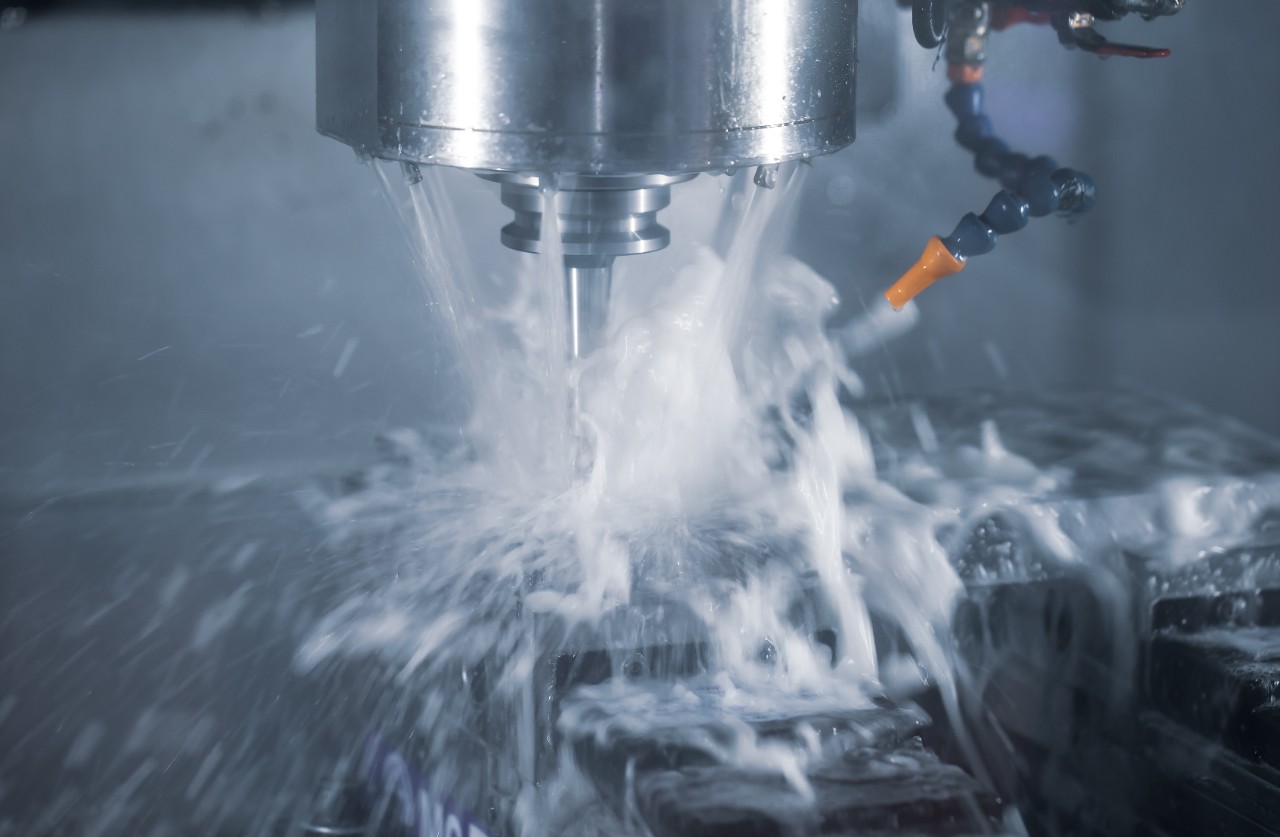
In CNC machining environments, maintaining clean air is an ongoing challenge. High-speed operations that rely on oil- or water-based coolants generate fine mist that can quickly disperse throughout the facility.
When left unmanaged, this mist settles on surfaces, reduces visibility, impacts employee comfort, and increases maintenance. Effective mist control is essential not just for regulatory compliance, but for creating a more efficient operation.
What Is Oil Mist in CNC Machining?
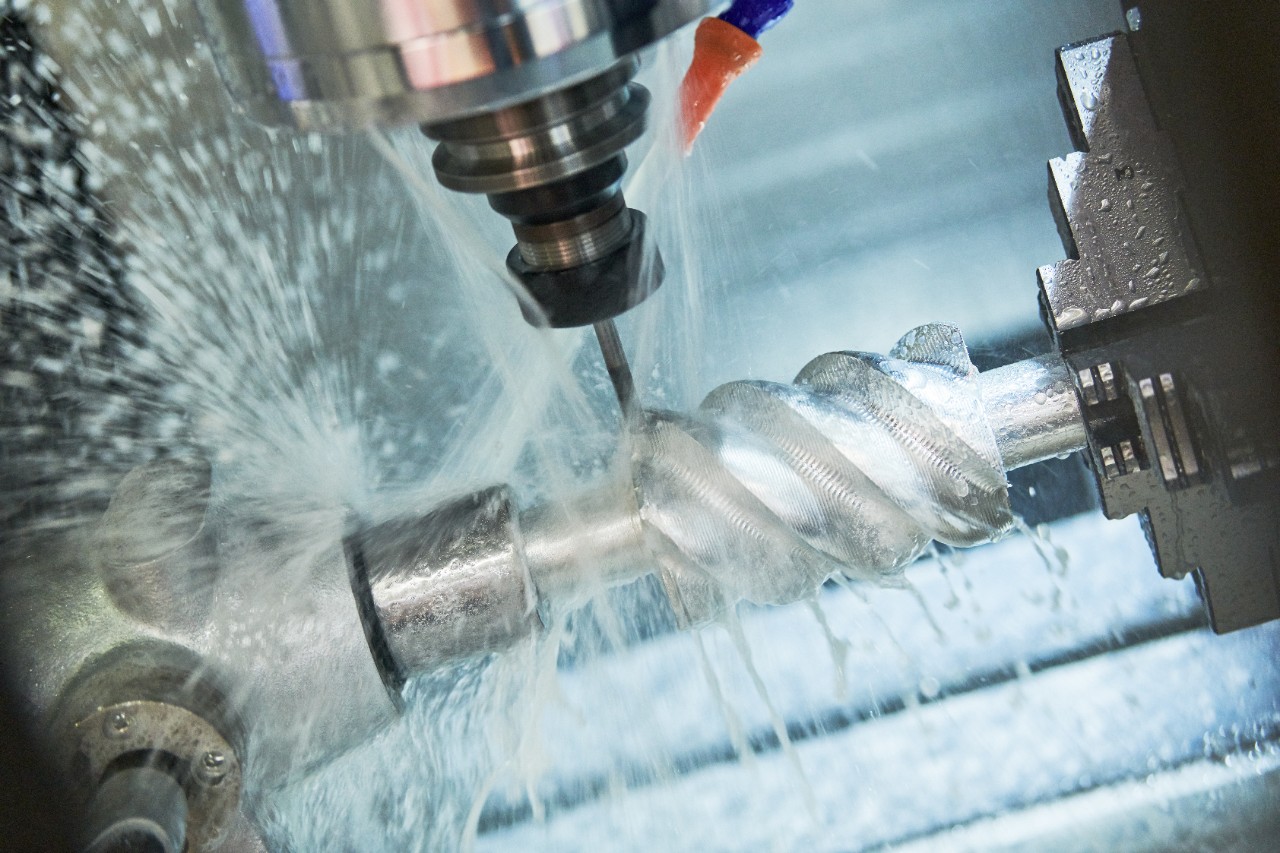
Oil mist forms when metalworking fluids such as coolants and lubricants are aerosolized during processes like turning, milling, and grinding.
These airborne particles vary in size:
- Larger droplets tend to settle on nearby surfaces
- Finer particles can remain suspended in the air and travel across the facility
Much of this mist is not immediately visible so its impact is often underestimated, even as it continues to affect air quality and equipment performance.
Common Methods to Control Oil Mist
There are several effective approaches to managing oil mist in CNC environments. In many cases, combining multiple strategies delivers the best results.
1. Capture at the Source
The most effective way to control oil mist is to capture it at the point of generation inside or directly above the machine.
This prevents mist from escaping into the surrounding environment and significantly reduces overall contamination.
2. Use High-Efficiency Mist Collectors
Mist collectors are engineered to capture and filter airborne oil and coolant particles. When properly selected and installed, they can help:
- Remove fine mist from the air
- Improve overall air quality
- Reduce residue buildup throughout the facility
Key features to consider include:
- High filtration efficiency for submicron particles
- Reliable drainage of collected fluids
- Low maintenance requirements
- Consistent, long-term performance
3. Ensure Proper Machine Enclosure
Well-designed machine enclosures help contain mist within the machining area, making it easier to capture and control.
Poorly sealed enclosures allow mist to escape during operation, reducing the effectiveness of even the most advanced collection systems.
4. Optimize the Mist Collector Airflow
Airflow plays a critical role in effective mist control. When equipment airflow is correctly set to match production center requirements, it can:
5. Maintain Equipment Regularly
Even the most advanced system will underperform without proper maintenance. Regular checks should include:
- Monitoring filter condition and replacement schedules
- Verifying drainage system operation
- Evaluating airflow performance
Neglecting maintenance can quickly reduce system efficiency, resulting in unplanned downtime.
Choosing the Right Mist Collection Solution
Not all mist collectors are created equal. The right solution depends on your specific application, including:
- Type of machining process and equipment
- Coolant or oil in use
- Machine operating practices
- Facility layout
Donaldson offers a range of mist collection solutions designed to handle demanding CNC applications, capturing fine mist effectively while helping minimize maintenance requirements.
If oil mist is becoming a concern in your facility, evaluating your current approach is a smart first step. The right solution can help support your goals to improve the production environment, reduce downtime, and support a more efficient operation.