
Maintaining a productive industrial environment goes beyond comfort. It plays a critical role in supporting employee productivity, equipment performance, and overall operational success. In metalworking and machining operations, oil mist is one of the most common and often overlooked air quality challenges.
If left unaddressed, mist can accumulate quickly, creating risks, reducing visibility, and increasing maintenance costs. So how do you know when it’s time to act?
Here are five clear signs your facility may need a mist collection solution.
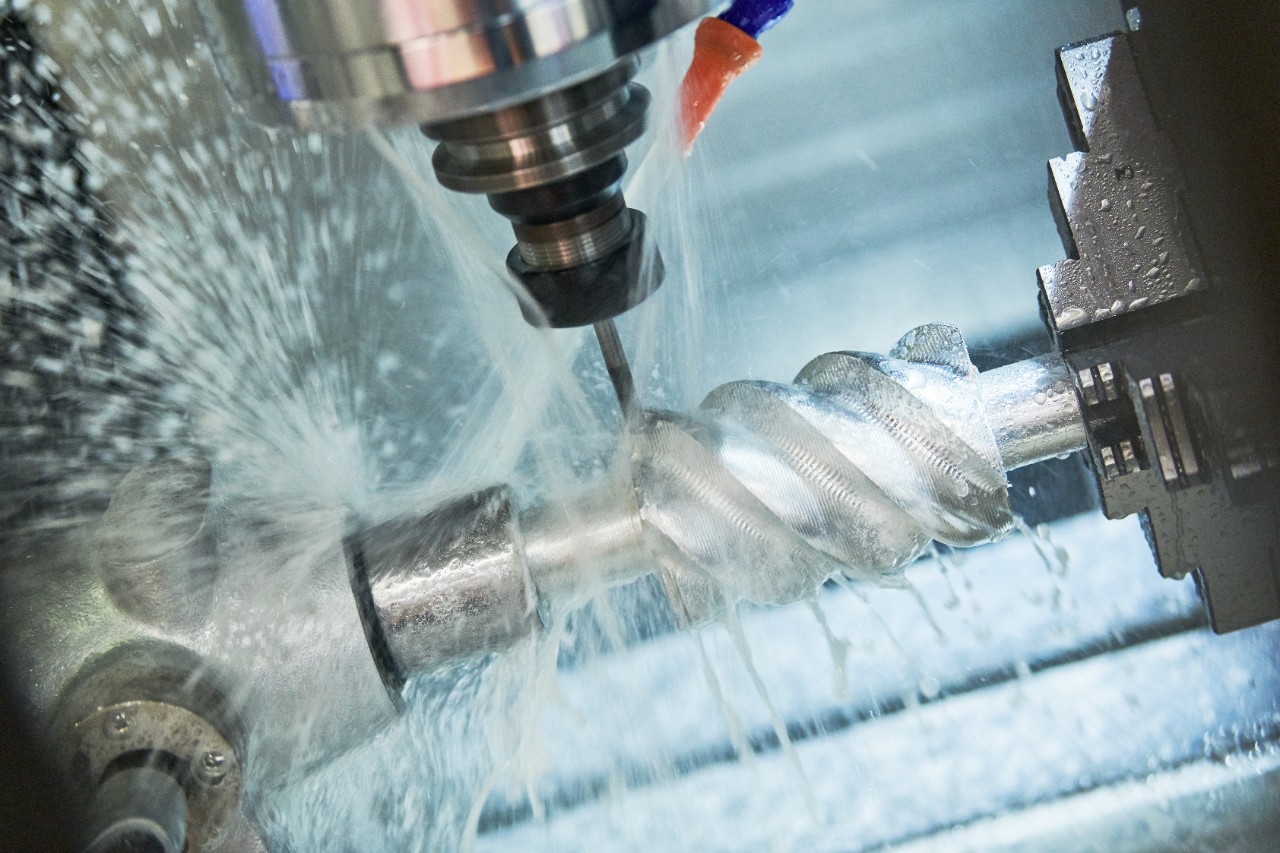
1. Visible Haze or Smoke in the Air
If you can see mist in the air, the issue has already progressed beyond early stages.
Fine oil mist generated from CNC machining, grinding, or coolant use, often appears as a light haze or smoke, especially under certain lighting conditions. This can lead to reduced visibility within a facility and increased housekeeping measures.
What it means:
Nuisance airborne contaminants are not being effectively captured at the source of production.
2. Oil Residue on Surfaces and Equipment
The development of a thin, sticky film on floors, walls, or machinery is a clear sign of mist accumulation.
If not addressed, this residue could damage sensitive production equipment, requiring downtime to address increased cleaning and maintenance intervals. It also creates slippery environments which can be dangerous for employees.
What it means:
Mist is settling throughout your facility instead of being properly captured and filtered.
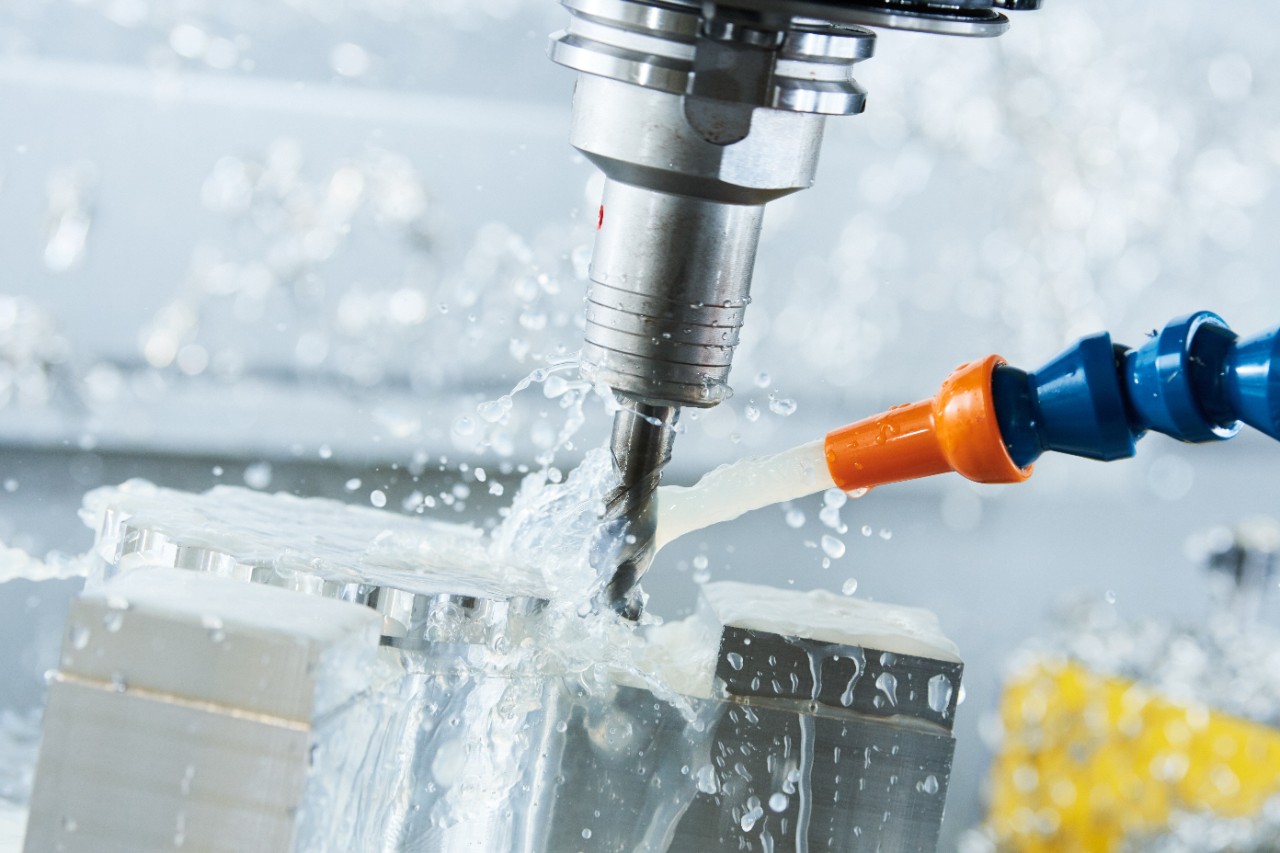
3. Frequent Maintenance and Equipment Downtime
If your machines require constant cleaning or are experiencing performance issues, airborne oil mist may be a contributing factor.
Mist can infiltrate machine enclosures, electrical cabinets, and ventilation systems, leading to clogged components and reduced efficiency rates. This may also accelerate tool wear and tear leading to unplanned downtime and higher operational expenses.
What it means:
Airborne contaminants are negatively impacting equipment reliability and increasing production costs.
4. Poor Visibility Inside Machines
If operators struggle to clearly see inside CNC machines or work areas, it may indicate that existing mist collection strategies are not sufficient. Mist buildup due to reduced capture efficiency is likely interfering with visibility and could decrease product quality and output over time.
What it means:
Mist is not being effectively captured at the source, impacting both efficiency and precision.
What to Do Next
If any of these signs sound familiar, it may be time to evaluate your mist collection strategy.
Modern mist collectors are designed to efficiently capture airborne oil and coolant mist, at the source of production. Appropriately addressing nuisance mist improves product quality, protects equipment, and supports a more productive work environment.
Donaldson offers a range of solutions engineered for high-efficiency filtration while minimizing maintenance, making them well-suited for demanding metalworking applications. Talk to your Donaldson representative to find the right filtration solution for your operation.