
The Foundation of Reliable Instrumentation and Control Performance
Clean, dry, oil-free compressed air is essential for keeping automation, sensors, valves, and pneumatic controls operating reliably across industrial manufacturing environments. High purity control air supports stable performance in automotive, plastics, packaging, printing, and general production, helping manufacturers reduce downtime and maintain consistent output.
How Contamination Affects Control and Automation Systems
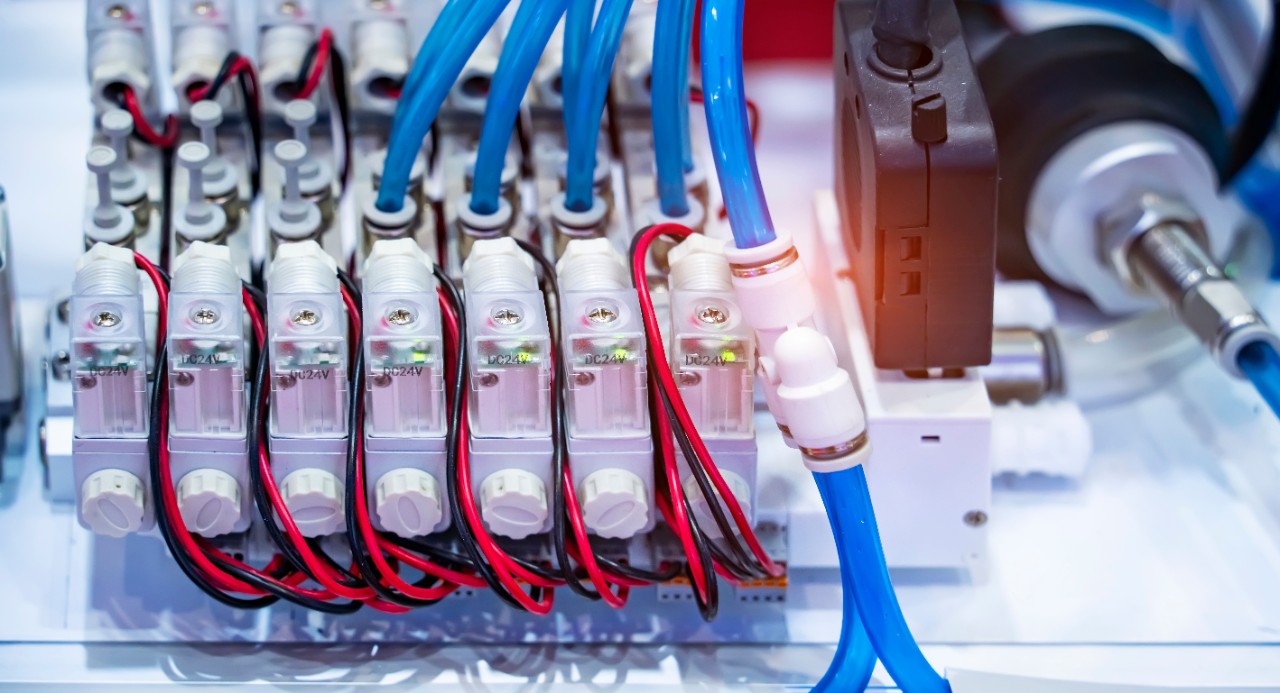
Instrumentation and control air directly affects solenoid valves, pneumatic actuators, air‑logic circuits, and sensing devices. Contamination (including moisture, particulates, oil aerosols, and vapors) can impair these sensitive components. Common issues include sluggish or sticking valves, drifting sensors, premature wear, or inconsistent pneumatic logic. These disruptions can slow cycle times, destabilize robotic motion, and increase maintenance needs. Maintaining clean, stable control air helps avoid these performance problems and supports reliable production.
Air Treatment Solutions That Help Protect Control Air Quality
Achieving high quality control air requires the right combination of drying and filtration.
Dryers
Desiccant dryers can deliver very low dew points, helping prevent moisture related failures such as corrosion, freezing, or valve sticking. The consistent dryness they provide is essential for systems that depend on precise operation.
Coalescing and particulate filters
These filters remove oil aerosols, fine particulates, and residual moisture that can damage actuators, clog miniature valves, or affect air‑logic systems. Effective filtration helps protect downstream equipment and maintain stable operation across automated processes.
Oil‑free and high‑purity options
Applications involving coating, spraying, or precision assembly often require oil‑free and odor‑free air to maintain product integrity and avoid contamination that could disrupt surface quality or adhesion.
Key Benefits for Industrial Manufacturing
Clean, dry, high quality control air provides several operational advantages:
- Reliable uptime through consistent valve, actuator, and sensor performance
- Reduced maintenance by minimizing contamination related failures
- Stable automation and process control for predictable system behavior
- Consistent product quality supported by uniform operating conditions
Supporting Reliable Instrumentation and Control Performance
Effective air treatment - from dryers to filters and point of use solutions - helps maintain the purity required for dependable instrumentation and control performance. By reducing contamination related disruptions and protecting sensitive components, clean control air supports sustainable productivity and more efficient operation across the entire manufacturing environment.